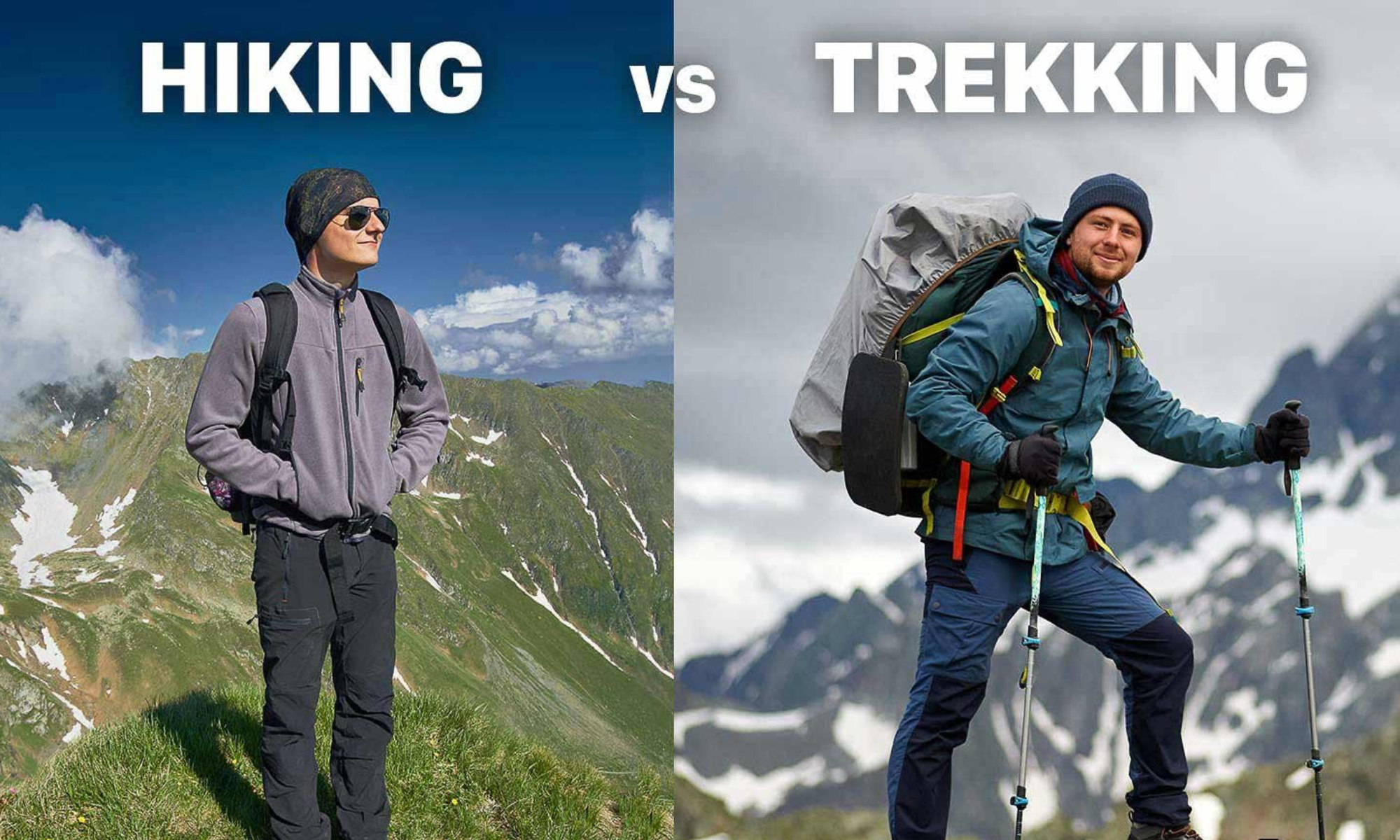
Do you feel the pull of nature, the desire to immerse yourself in the wild, listen to the rustle of leaves, and conquer breathtaking landscapes? Hiking and trekking are both incredible gateways to that world, but behind these two terms lie two entirely different philosophies of adventure.
Many travelers use the words interchangeably, but the truth is, choosing the wrong type of journey can not only affect your experience but also pose a risk. With the experience of guiding thousands of fellow adventurers, the experts at Stories Travel are here to clearly distinguish these two activities and help you find the perfect path for your next journey in Vietnam.
Hiking: A Day of Discovery on the Trail
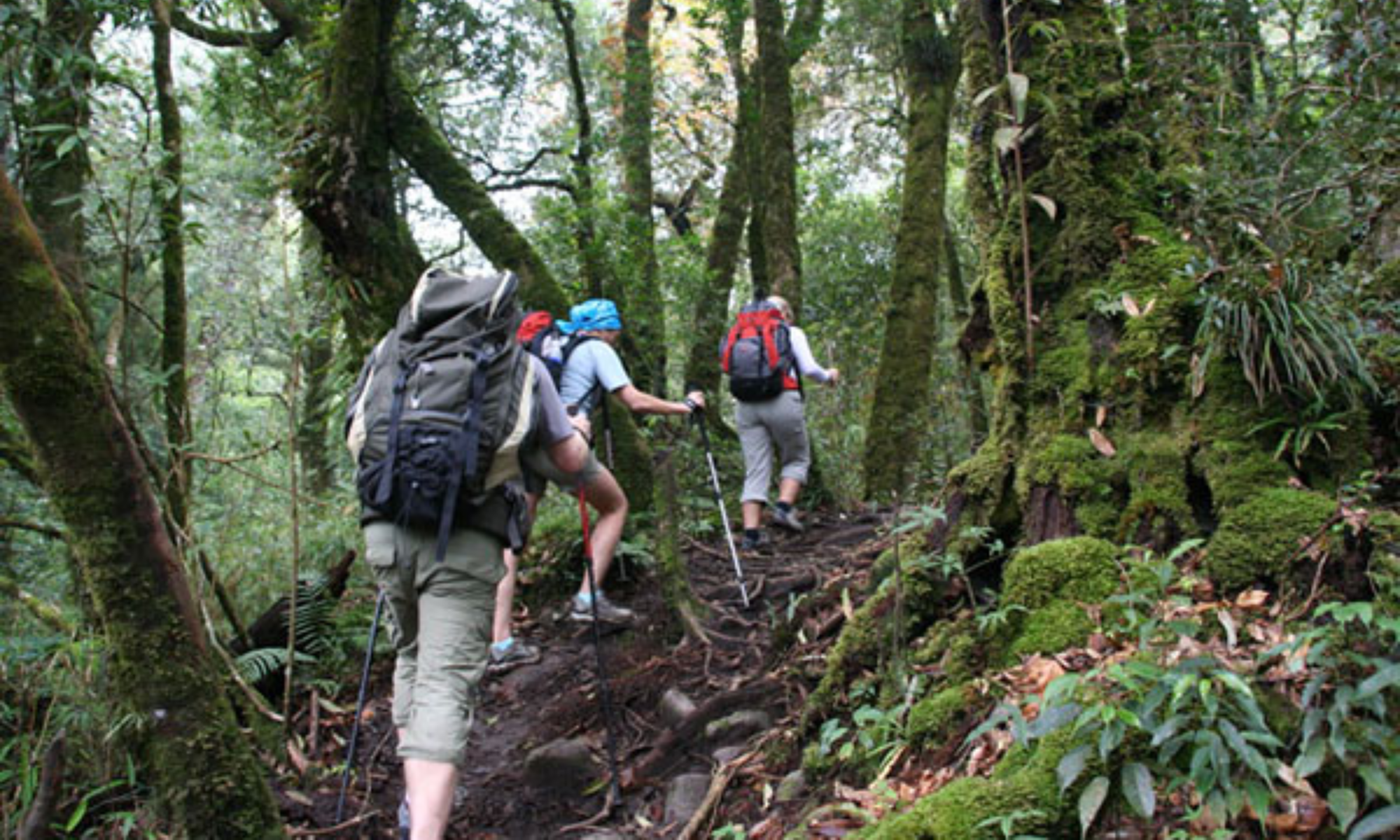
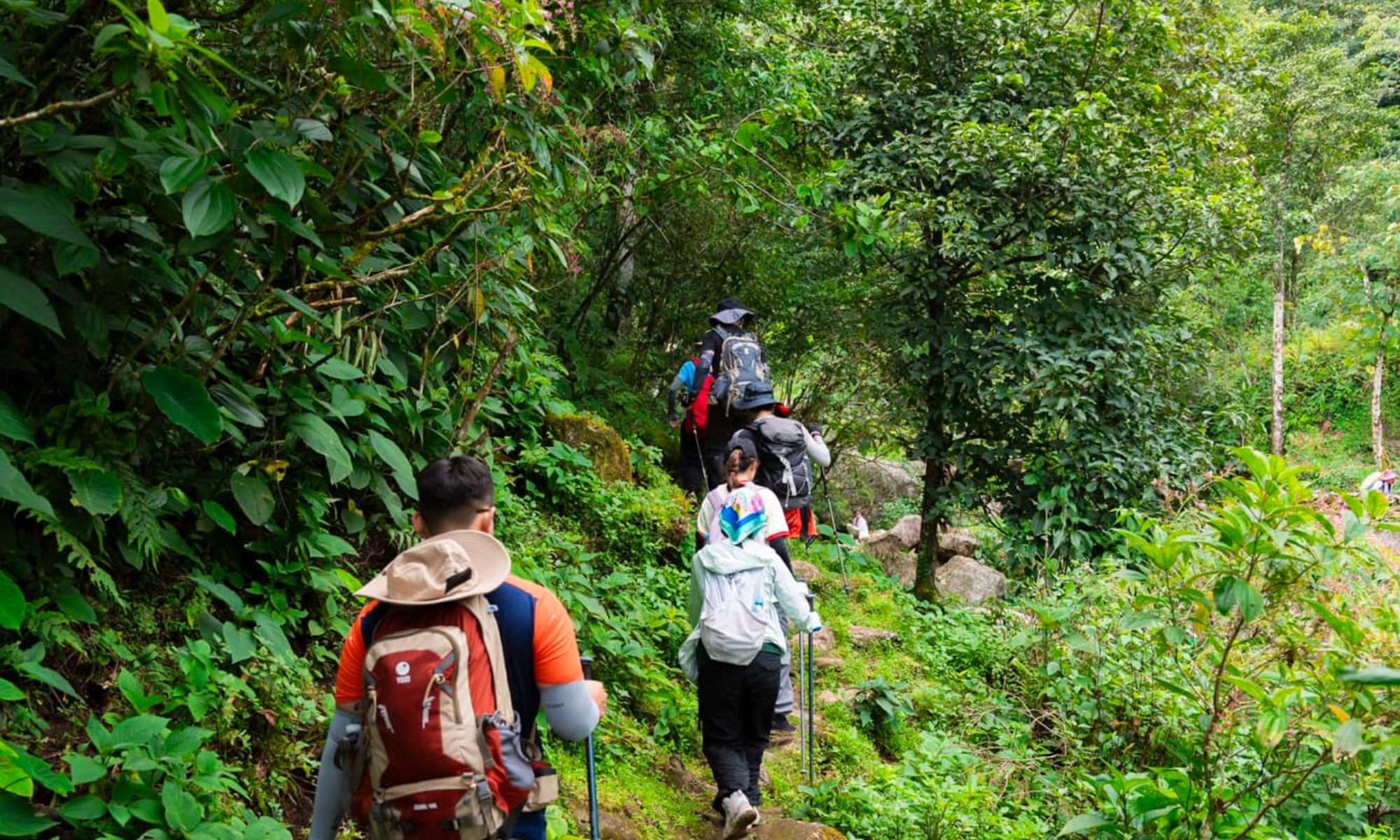
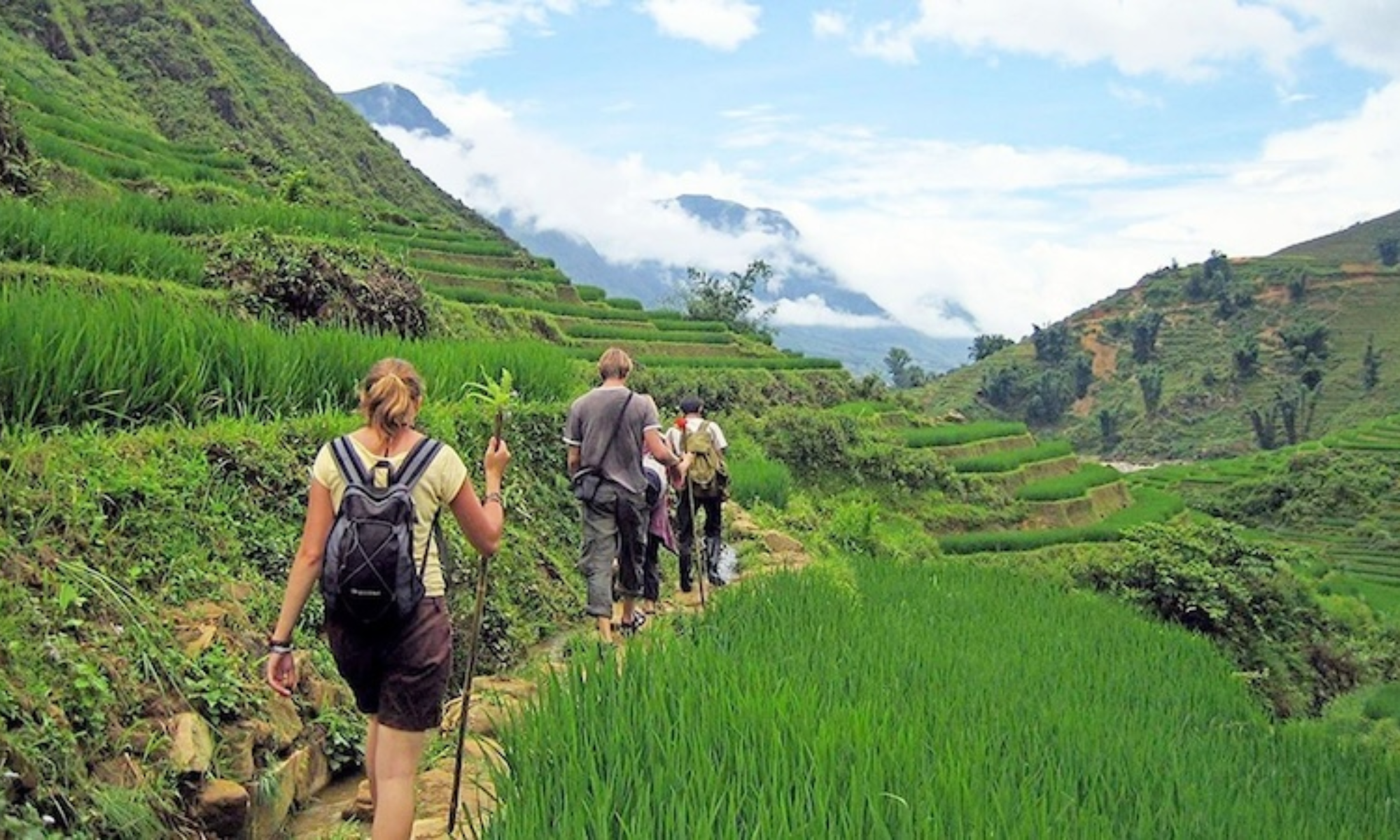
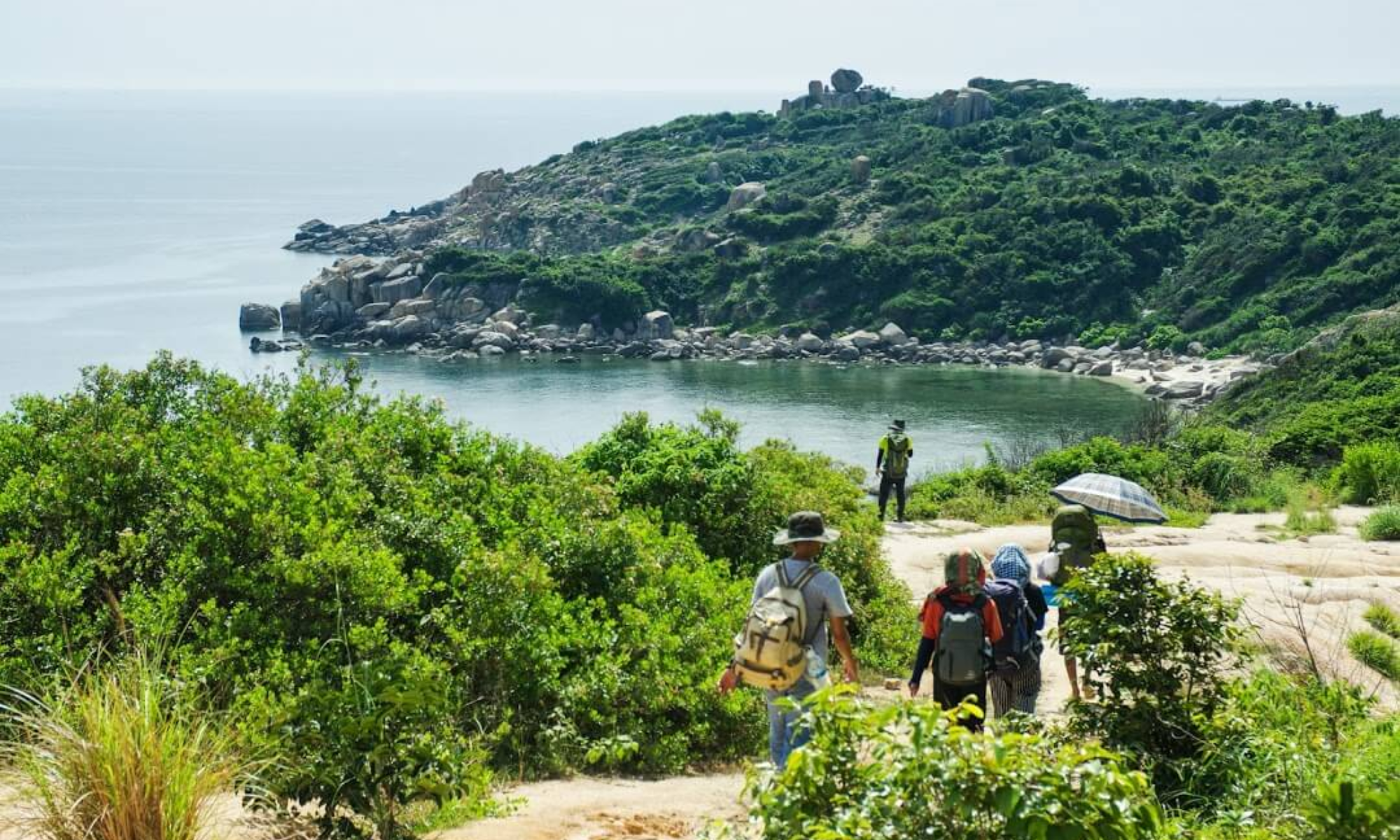
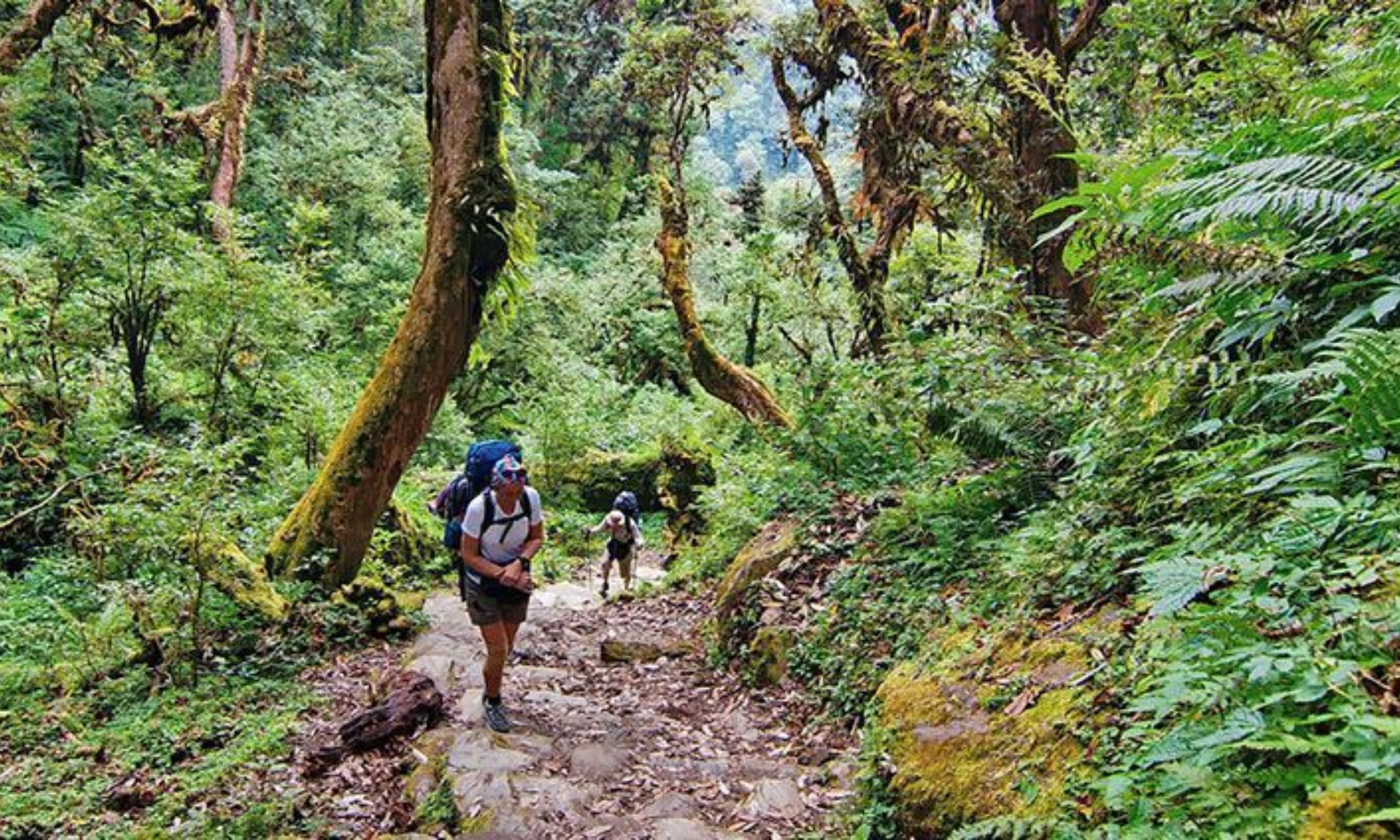
At its core, hiking is the activity of taking long walks on established trails through natural environments like forests, mountains, or coastlines. A hike is typically a day trip, lasting anywhere from a few hours to a full day. The goal is to enjoy the journey, get some exercise, and soak in the fresh air.
Think of it as an elevated, inspiring walk, where you can connect with the beauty of creation without needing complex survival skills.
Key Characteristics of a Hike:
Duration: Lasts a few hours to a full day (no overnight stays).
Pathways: Follows clear, well-defined trails.
Fitness Level: Requires a general level of fitness but no specialized training.
Objective: Relaxation, sightseeing, and a healthy weekend activity.
Essential Gear for a Hike:
Footwear: Good, comfortable hiking shoes with solid grip.
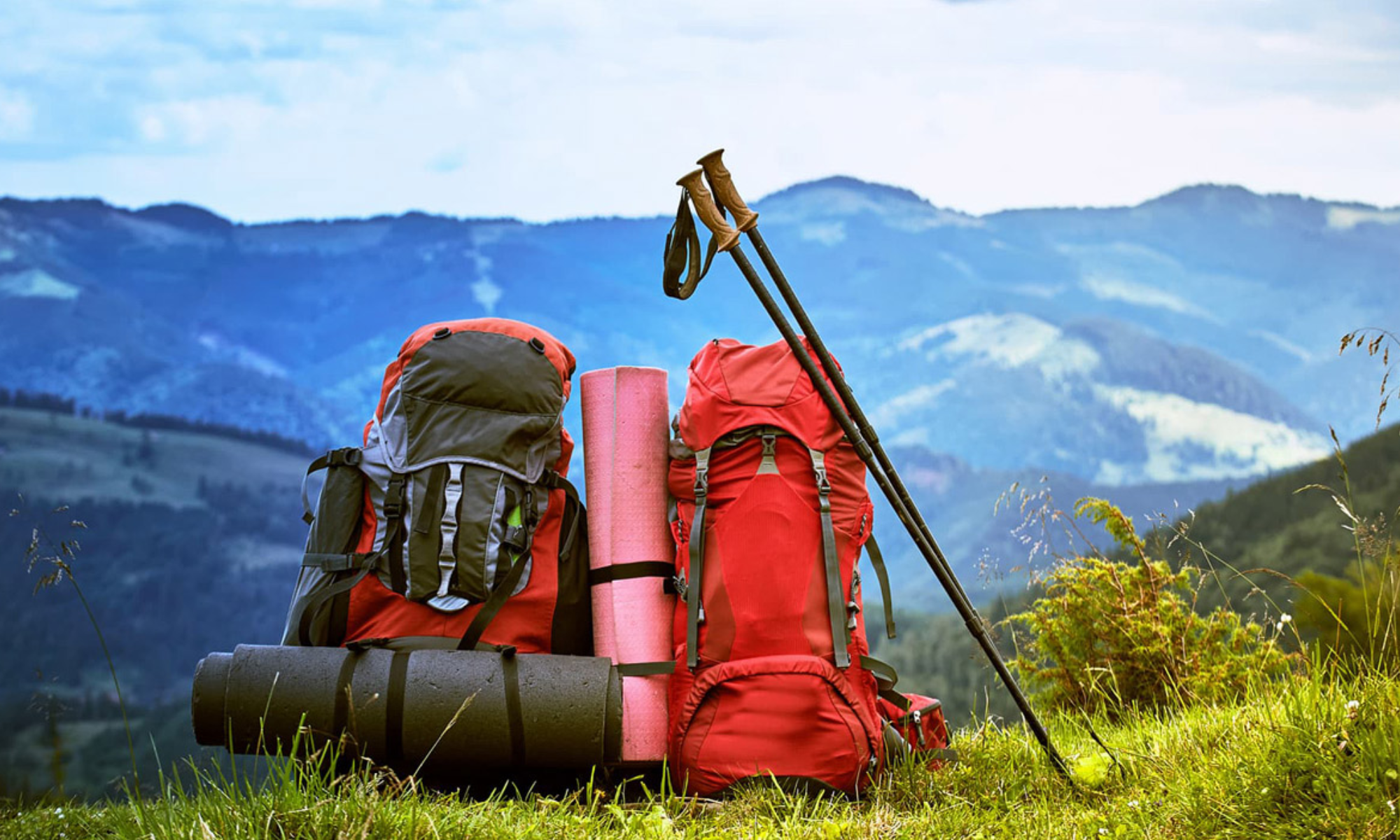
Backpack: A small daypack (10-20L) is enough to carry the essentials.
Necessities: Water, snacks, a light jacket, sunscreen, and a small first-aid kit.
Stories Travel Pro-Tip: For beginners, day hikes in accessible locations like Ba Vi National Park (near Hanoi), Mount Dinh (Vung Tau), or Cuc Phuong National Park (Ninh Binh) are fantastic choices.
Trekking: A Multi-Day Journey of Adventure
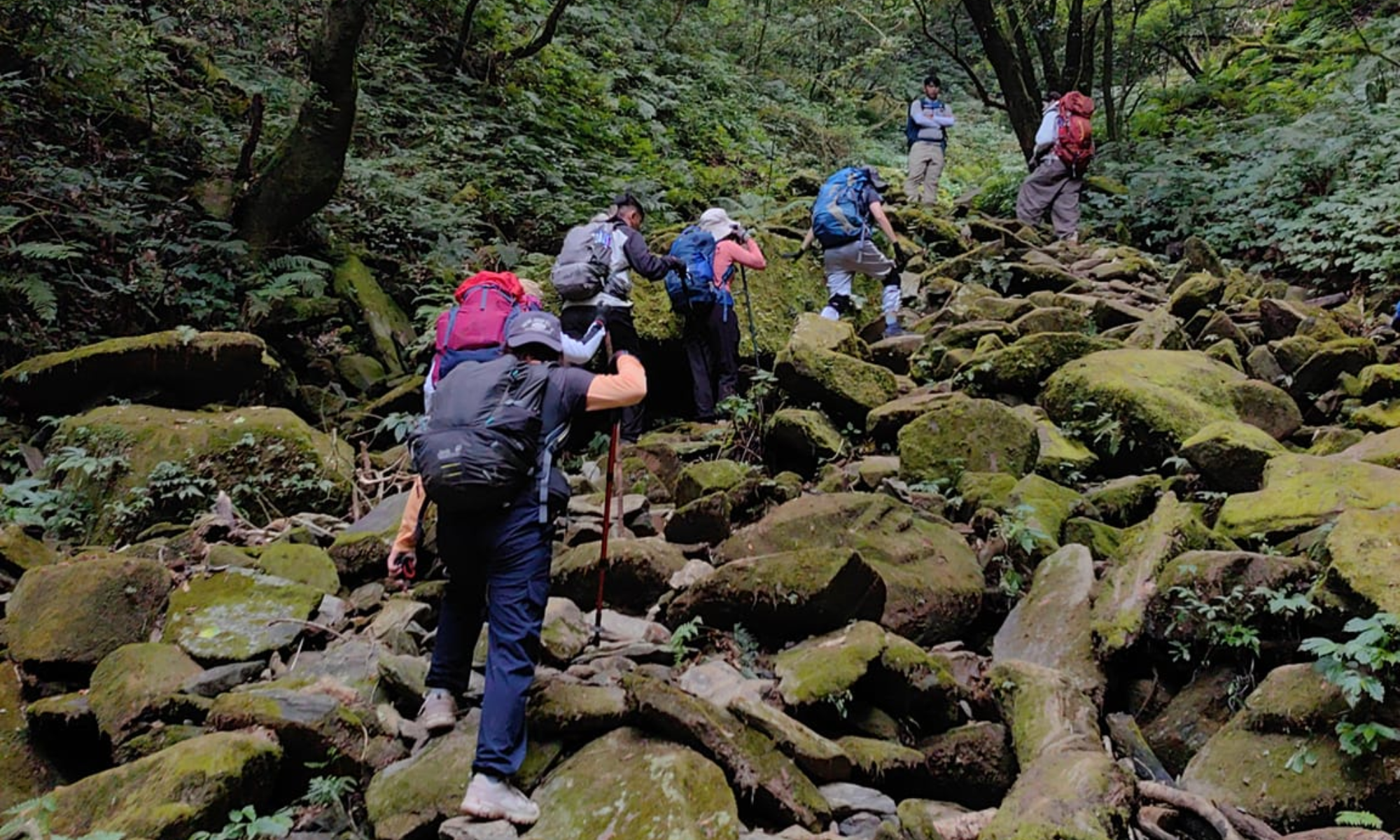
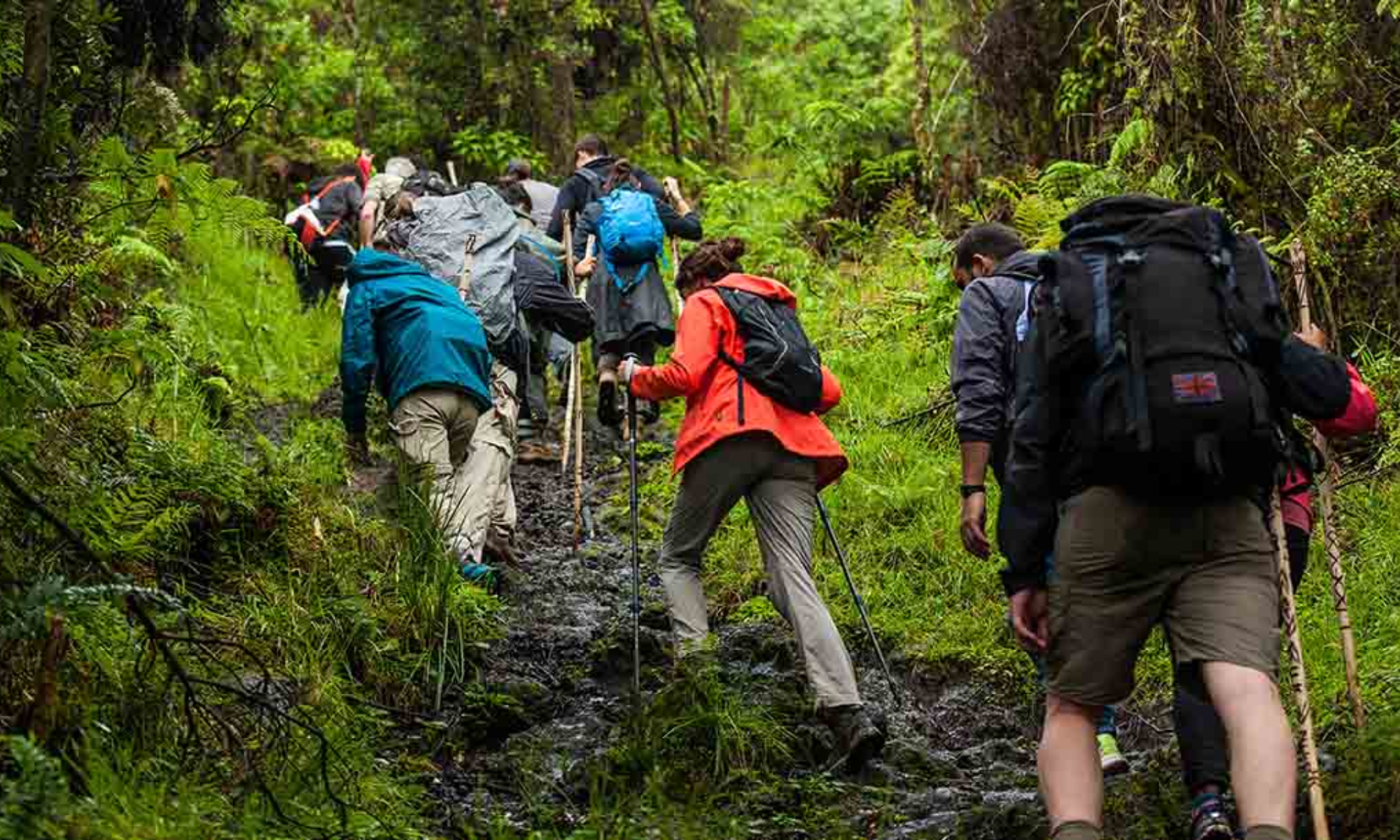
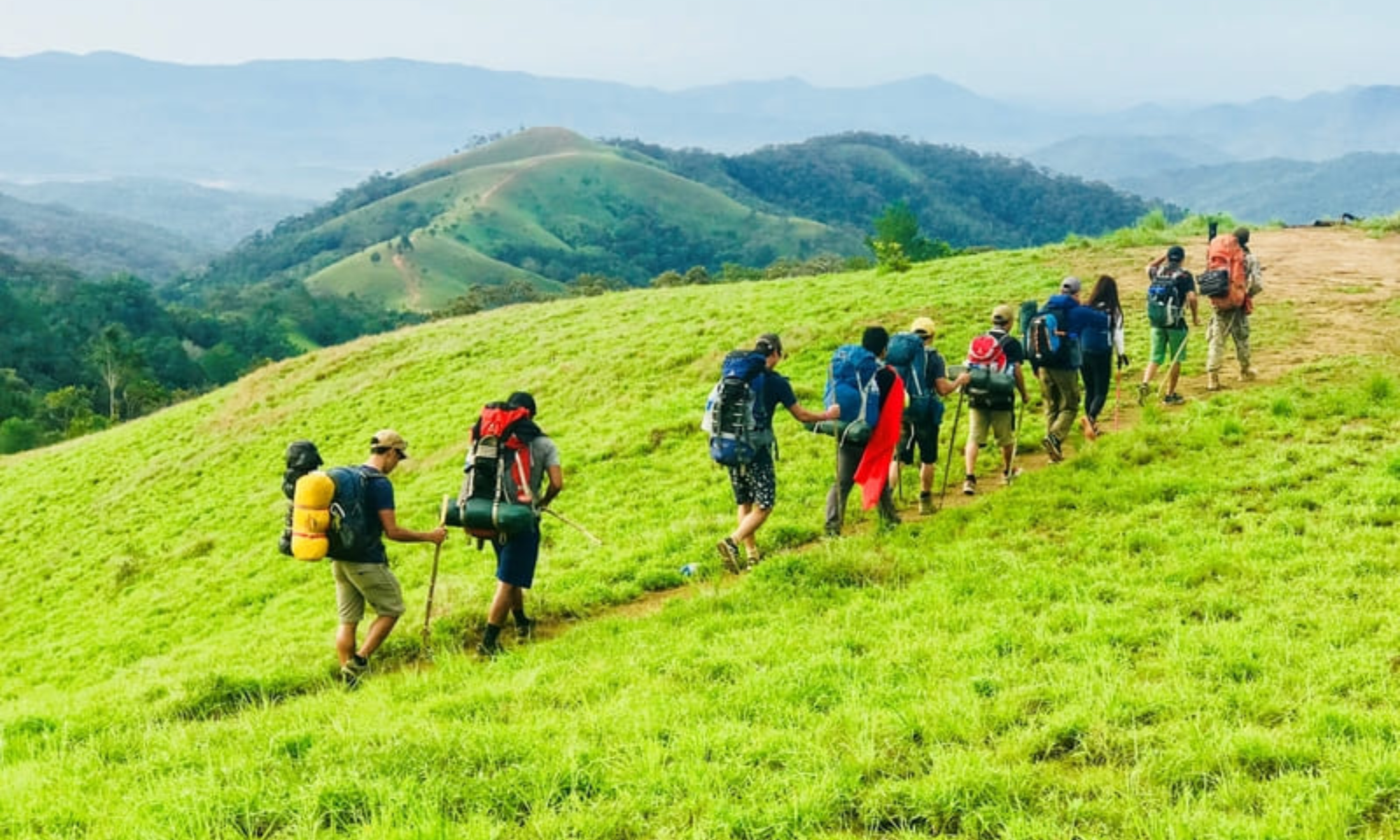
Trekking is a true adventure. It’s a multi-day journey that often traverses remote, rugged, and wild terrain far from modern conveniences. A trek is not just a physical challenge but also a deep dive into cultural exploration, as it often involves camping overnight or staying in the homes of local villagers.
It demands thorough preparation, physical endurance, and a spirit ready to embrace the unexpected.
Key Characteristics of a Trek:
Duration: A minimum of two days and one night, often lasting a week or more.
Terrain: Wild, diverse, and potentially without clear trails.
Fitness Level: Requires a good level of physical fitness, stamina, and mental preparation.
Objective: Conquest, pushing your limits, exploration, and deep cultural immersion.
Indispensable Gear for a Trekker:
Footwear: High-quality, high-ankle trekking boots for support.
Backpack: A large, load-bearing backpack (40L and up).
Necessities: A comprehensive first-aid kit, navigation tools (map, compass, GPS), specialized clothing, and enough food for multiple days.
Stories Travel Pro-Tip: Vietnam is a trekker’s paradise, home to legendary routes like the journey to Fansipan, the “rooftop of Indochina”; the stunning Tà Năng – Phan Dũng trail; or expeditions through the remote highlands of Ha Giang.
Head-to-Head Comparison: Hiking vs. Trekking
Criteria
Hiking
Trekking
Duration
Under 1 day
Minimum 2 days, 1 night
Difficulty
Easy to Moderate
Moderate to Very Difficult
Terrain
Well-defined, safe trails
Wild, rugged, diverse
Equipment
Lightweight
Comprehensive, professional
Lodging
Return home the same day
Camping, homestays
Mindset
Relaxing, recreational
Challenging, adventurous
The Quick Quiz: Find Your Path
Question
Option A (Hiker)
Option B (Trekker)
1. Is your getaway longer than 3 days?
No
Yes
2. Do you prefer a comfortable bed after a day of activity?
Yes
No, a tent is my home!
3. Are you traveling with young children or elders?
Yes
No
4. Are you ready to walk for more than 6 hours a day?
No
Yes
5. Is “adventure” exploring a beautiful place, while “challenge” is for the gym?
Yes
No, adventure must have a challenge!
If your answers are mostly A, you’ll find joy in hiking. If they are mostly B, you’re ready to take on the challenge of a trek!
Expert Advice from Stories Travel
Whichever path you choose, preparation is key.
Always check the weather: Never underestimate nature.
Share your itinerary: Let at least one person know your planned route and expected return time.
Don’t go alone (if you’re inexperienced): Joining a group or hiring a local guide is the safest way to explore.
If you’re new to this, partnering with a professional outfitter like Stories Travel removes all the guesswork. We don’t just guide you; we take care of everything, from providing expert local guides (Expertise) and porters to arranging all meals and lodging. With our 24/7 support (Trust), private driver service, and a 4G SIM card to keep you connected, all you need to focus on is the experience and creating your own unique story.
Hiking is joy; trekking is conquest. Both are profound ways to reconnect with nature and yourself. Understanding the difference is the first step to a journey that is fulfilling, safe, and truly unforgettable.
Have you found the path that calls to you? Share it with Stories Travel, and let us accompany you on every trail Vietnam has to offer!
In the world of passionate travelers, the image of a wanderer with an oversized backpack has become a symbol of freedom, adventure, and discovery. But did you know that behind this familiar image lie two distinct travel philosophies: Backpacking and Flashpacking?
These aren’t just trendy buzzwords; they represent two different mindsets, styles, and approaches to a journey. Understanding which “school of thought” you belong to will help you plan a trip that is more fulfilling, perfectly matching both your budget and your desire for experience.
Are you a minimalist traveler seeking authentic connections, or a modern explorer unwilling to give up comfort? Join the experts at Stories Travel as we dive deep into the worlds of backpacking and flashpacking to help you find your true travel identity.
Backpacking (Traditional Budget Travel) – The Philosophy of Simplicity and Freedom
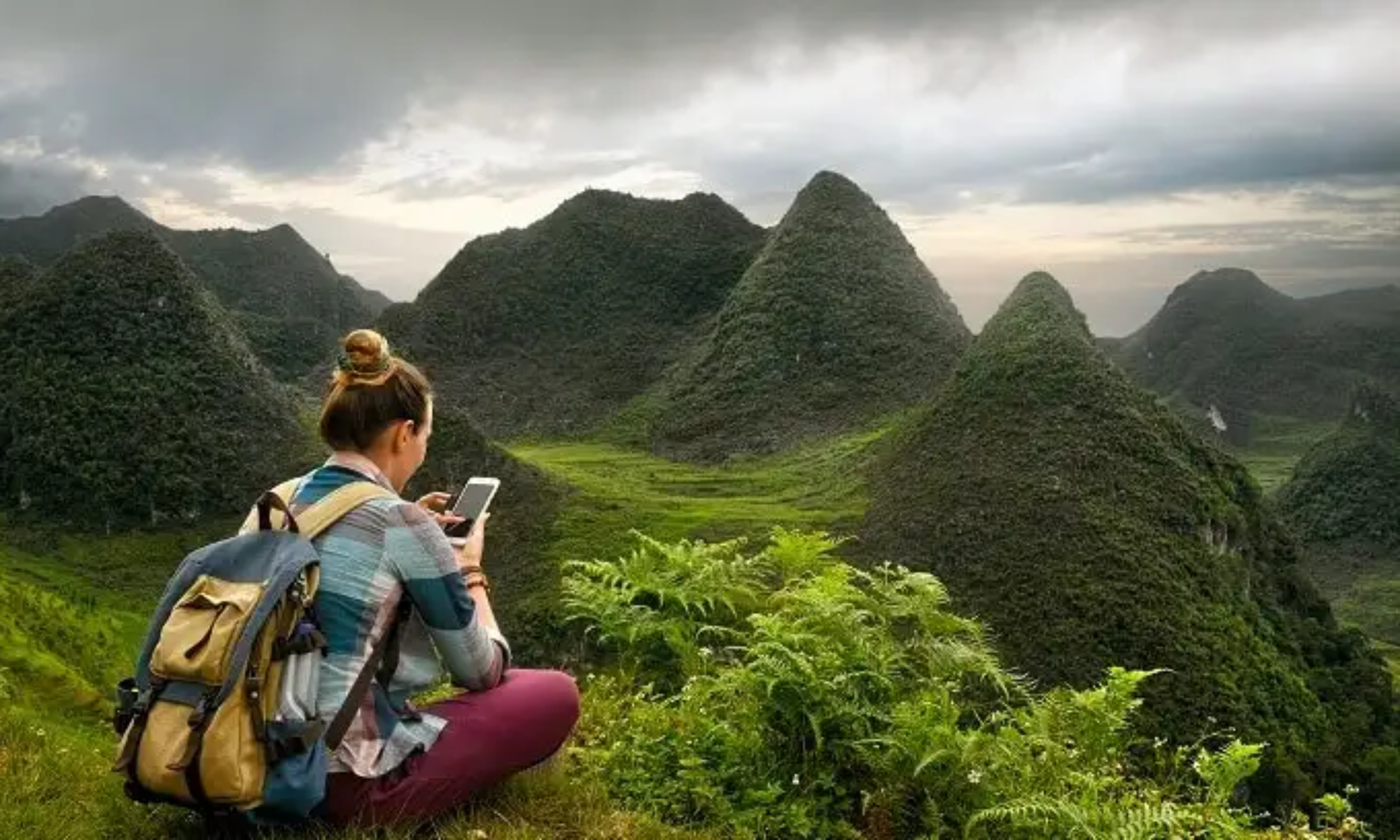
Backpacking is the art of traveling independently on a minimal budget. A “backpacker” is someone willing to trade material comforts for authentic experiences and the ability to extend their journey for as long as possible. They are masters of packing light, seeking out budget-friendly hostels, and navigating a country using public transportation.
The goal of backpacking isn’t just to visit a place, but to “live” in it—to immerse oneself in the rhythm of local life and connect with fellow travelers from every corner of the globe.
Portrait of a Classic Backpacker:
Budget is King: Every decision is carefully weighed to optimize costs. They might cook their own meals at a hostel to save money.
Long-Term Journeys: Trips often last for several weeks, if not months.
Experiences Over Possessions: They’ll gladly sleep in a dorm room bunk bed to save money for a trek deep into the jungle or a scuba diving course.
Connection is Everything: The common room of a hostel is their sanctuary—a place to meet people, share tips, and find travel companions.
Minimalist Luggage: Everything they need for the entire trip fits into a single backpack.
The Backpacking Experience in Vietnam: Vietnam is a backpacker’s paradise thanks to its affordable cost of living. Backpackers often traverse the country by motorbike or bus, discovering the majestic mountain passes of Ha Giang, trekking to remote villages in Sapa, or soaking up the vibrant atmosphere in hostels across Hanoi and Ho Chi Minh City.
Flashpacking (Affordable Luxury Travel) – The Intersection of Adventure and Comfort
Flashpacking is the new-school of backpacking, born when the backpacker generation grew up, started careers, and gained more financial stability. A “flashpacker” still holds the same independent, free-spirited desire for authentic experiences, but they are no longer willing to sacrifice comfort.
They have a larger budget and will happily pay for a private room in a hostel, a charming boutique hotel, or a domestic flight to save time. Their pack contains not just clothes, but also a laptop, a high-quality camera, and other tech gadgets that allow them to travel and work remotely.
Portrait of a Modern Flashpacker:
Experience is King, but Comfort is Queen: They crave unique local experiences but also need a comfortable bed and a clean, private bathroom at the end of the day.
Time is Gold: They are willing to spend more to travel faster and more efficiently, maximizing their discovery within a limited vacation period.
Always Connected: Technology is an indispensable companion. A laptop for work, a high-end smartphone for photos, and a reliable internet connection are non-negotiable.
The Perfect Balance: They might grab a cheap, delicious street food meal for lunch and enjoy a craft cocktail at a rooftop bar in the evening.
The Flashpacking Experience in Vietnam: A flashpacker might start their journey with a flight to Dien Bien Phu to explore history, then hire a private car to Sapa, stay in a private bungalow with a view of the rice terraces, and still finish their work deadlines each morning thanks to a high-speed internet connection.
Criteria
Backpacking (Traditional)
Flashpacking (Upgraded)
Budget
Minimalist, carefully planned
More flexible, willing to pay for comfort
Accommodation
Dorm rooms in hostels
Private rooms, boutique hotels, quality homestays
Transport
Public buses, motorbikes, local transport
Flights, trains, private cars, ride-sharing
Technology
Minimal (usually just a phone)
Fully equipped (laptop, camera, smartphone…)
Trip Duration
Long-term, open-ended
Shorter, optimized for time
Common Age Group
Students, young adults (18-25)
Professionals, established adults (25-40+)
Which Are You: Backpacker or Flashpacker?
See which philosophy resonates more with you:
If you believe “The journey is more important than the destination” and are willing to trade comfort to make that journey last longer, you have the soul of a Backpacker.
If you believe “You can have both adventure and comfort” and want to maximize your experiences within a limited timeframe, you are a true Flashpacker.
Whether you are a backpacker seeking the most authentic experiences or a flashpacker who wants a comfortable yet unique adventure, Stories Travel has you covered.
For our Backpackers: We’ll guide you to off-the-beaten-path routes, connect you with authentic local homestays, and ensure your safety on every road with our 24/7 support team.
For our Flashpackers: We handle every last detail. A private car and driver are always ready, a high-speed 4G SIM card keeps you connected, and our curated selection of unique accommodations has been thoroughly vetted by our team. All you have to do is pack your bags and go; we’ll take care of the rest.
Neither style is better than the other. The most important thing is to know yourself and choose the journey that fits. Backpacking is a hymn to freedom, while flashpacking is a symphony of adventure and comfort.
So, which melody is playing in your traveler’s soul? Share it with Stories Travel, and let us help you compose a perfect travel story!
Choosing the wrong meal might lead to a moment of regret, but choosing the wrong place to stay can make or break your entire journey. The place you choose to rest your head after a long day of exploring is more than just a bed; it’s the space where you recharge, the lens through which you experience a destination, and sometimes, where the most memorable stories begin.
In Vietnam, with its rich diversity of culture and landscapes, the three most popular choices are hotels, hostels, and homestays. Each opens a doorway to a completely different kind of experience. So, which is the true “home away from home” for you? With experience in arranging thousands of journeys, Stories Travel is here to help you decode the options and find your perfect match.
Hotel – The Realm of Comfort and Privacy
The hotel is the most familiar and standardized choice. It’s a professional establishment providing lodging services, featuring private rooms equipped with full amenities—from en-suite bathrooms, air conditioning, and TVs to room service, laundry, and on-site dining.
The Core Experience: Comfort, professionalism, dedicated services, and absolute privacy. Everything is standardized to provide maximum comfort and convenience.
Best For:
Business travelers needing a quiet space to work.
Families with young children who require amenities like pools and in-house restaurants.
Couples seeking a romantic, private, and high-end getaway.
Travelers who prioritize security, cleanliness, and international service standards.
Vietnam’s Signature: Beyond the 5-star international chains in major cities, Vietnam boasts charming boutique hotels nestled in the heart of Hoi An’s ancient town and hotels with breathtaking views over Ha Long Bay.
Hostel – The Hub of Socializing and Connection
A hostel is a budget-friendly form of accommodation focused on shared spaces and dormitory-style rooms with bunk beds. This is a haven for open-minded wanderers, a place where stories are shared over breakfast and new friends from all corners of the globe are made.
The Core Experience: A youthful and vibrant atmosphere, community connection, and cost savings. A hostel doesn’t just sell a place to sleep; it sells a social environment.
Best For:
Solo travelers looking to meet fellow adventurers.
Groups of young friends and backpackers on a tight budget.
Open-minded souls who see meeting new people as a vital part of their journey.
Vietnam’s Signature: The most dynamic hostel scenes are found in Hanoi’s Old Quarter or Ho Chi Minh City’s Bui Vien area, where travelers from around the world gather to share their experiences.
Homestay – The Doorway to Local Culture
As the name suggests, a homestay is a form of lodging where you stay in the home of a local family. This is a unique opportunity to truly “live” like a local, rather than just “observe” as a tourist. You might wake up to the sound of a rooster crowing, savor a delicious breakfast prepared by your host, and listen to authentic stories about their daily life.
The Core Experience: Authenticity, warmth, and a deep connection with the local culture and people.
Best For:
Travelers seeking genuine, in-depth cultural experiences.
Photographers wanting to capture the precious moments of everyday life.
Families who want their children to learn about different cultures.
Vietnam’s Signature (An Insider’s Tip from Stories Travel): Imagine a rustic Pomu wood homestay in the mountains of Ha Giang, a house amidst lush fruit gardens in the Mekong Delta, or a small home on a coffee farm in the Central Highlands. These are the experiences that will become the unique story of your trip.
Criteria
Hotel
Hostel
Homestay
Cost
High
Low
Low – Medium
Privacy Level
Very High
Low (Dorm Rooms)
Medium (Private rooms may be available)
Cultural Experience
Low
Medium (via international friends)
Very High
Amenities
Full, Professional
Basic, focused on common areas
Varies, depends on the host
Atmosphere & Socializing
Quiet, Formal
Vibrant, Open, Easy to meet people
Warm, Intimate, Familial
Choosing from thousands of accommodations can be overwhelming. We don’t rely on generic online reviews. The expert team at Stories Travel has personally experienced and handpicked unique, safe, and stylish accommodations that are perfectly suited to each travel style, from hidden homestays to distinctive boutique hotels.
Do you want a rustic homestay but worry about the amenities? Are you looking for a unique hotel but fear high prices? Let our experts handle it. With our 24/7 support and deep local knowledge, we ensure the place you stay becomes a wonderful part of your journey’s story.
Whether it’s a bunk bed in a bustling hostel, the private balcony of a luxury hotel, or the warm kitchen of a family homestay, your accommodation is a key character in your travel story. Choose a “character” that fits your personality and desires.
Have you pictured the “home” for your next adventure yet? Contact Stories Travel and let us help you write a perfect travel story!
What is Trekking? Trekking is a type of exploratory travel where participants undertake long walks through natural terrains such as forests, mountains, or wilderness areas. Unlike other forms of travel, trekking often involves navigating new paths with challenging terrains, facing the unpredictability of weather and the environment.
Trekking and hiking are both forms of long-distance walking tourism, but they differ in their characteristics and requirements. While hiking is often suited for short journeys with easier terrain, trekking is a true adventure that involves traveling through rugged and wild routes. It requires participants to have skills, physical endurance, and thorough preparation.
Particularly when organizing a trekking trip, the organizer must have extensive expertise, carry essential equipment to ensure safety, and provide a memorable experience for the group. This article will help you understand more about trekking, how it differs from hiking, and what you need to prepare to conquer your journey fully.
1. What is Trekking?
Trekking means engaging in long-distance walking over multiple days. It is a form of outdoor adventure tourism that allows participants to explore unspoiled nature while challenging themselves over extended journeys. Trekking relies entirely on walking throughout long distances, requiring trekkers to prepare meticulously and have strong stamina. Trekkers must carry their own gear and venture into forests, mountains, remote villages, rugged terrains, and national parks, or pristine forests that are less known to the public.
This type of travel is not just for sightseeing and discovering new lands; it also emphasizes exploration, mountain climbing, and adventure. Trekking destinations are often wild, natural, and challenging, such as Sapa, Pù Luông, Tà Năng, Bidoup, Cát Bà Island, and Tả Liên Sơn.
Trekkers are people who embark on trekking journeys. Professional trekkers are often knowledgeable about navigating challenging terrains, survival skills, have good stamina, and love exploration and adventure. They seek to conquer new destinations with various challenges.
1.1. Challenges of Trekking
Since trekking involves long journeys, it may require passing through villages and mountainous terrains while carrying heavy gear over long distances. Trekkers also face challenges such as:
Terrain: Rugged, uneven, and complex paths.
Weather: Unpredictable weather and temperatures.
Health: Physical endurance and fitness are essential.
Wilderness: Facing wildlife and other natural challenges.
However, trekkers gain invaluable experiences, such as connecting with nature, breathing fresh air, witnessing breathtaking landscapes, and utilizing survival instincts in the wilderness. Most importantly, they experience a unique sense of accomplishment after overcoming challenges to conquer a mountain peak or trail.
1.2. Types of Trekking
You can choose to trek alone, with friends, in a group, or with tours organized by travel companies. Trekking durations can range from a few days to 1-2 weeks, or even 1-2 months. For those aiming to conquer remote peaks across Vietnam, Southeast Asia, or Asia, trekking offers a deeply immersive adventure.
2. What is Hiking?
Hiking is an activity involving long walks on relatively simple trails with flat terrain and less complexity over a short period. Hiking typically involves exploring the natural beauty of mountains, national parks, famous landmarks, and scenic destinations.
Compared to trekking, hiking paths are usually well-trodden and less risky. Researchers highlight the numerous benefits of hiking for human health, including weight loss, improved physical fitness, enhanced mental well-being, relaxation, and stress reduction. Moreover, it provides an opportunity to connect with and discover nature.
3. How to Distinguish Trekking from Hiking
Trekking and hiking are both popular outdoor activities, but they are often confused due to their similarities. However, there are distinct differences between the two that can help you tell them apart:
Both trekking and hiking involve long-distance walking. With just a few basic items such as a durable backpack, water, food, specialized footwear, and good health, you can complete these journeys. However, there are clear differences between the two types of travel.
3.1 Terrain
The terrain for trekking is more complex and challenging than that of hiking. Hiking typically involves walking on relatively flat terrain, well-trodden trails, paved roads, or paths with frequent human traffic. In contrast, trekking takes you across diverse terrains, often combining walking and climbing. Trekkers are drawn to high mountain ranges, rugged forest trails, and unspoiled wilderness.
In terms of safety, hiking has the advantage. Trekking often leads you to remote and wild areas, which, while beautiful, also carry greater risks due to their isolation.
3.2 Preparation
For hiking, you only need basic personal items for the journey, such as suitable clothing and shoes, a backpack, water, food, medicines, and survival tools like a compass, knife, lighter, or flashlight.
Trekking requires additional preparations, including camping equipment such as tents and sleeping bags, survival kits, first aid supplies, GPS devices, maps, and appropriate clothing for temperature changes (especially when trekking through forests).
3.3 Skills
Trekking involves traversing diverse and sometimes hazardous terrains. To ensure a safe and successful trip, you need to have basic survival knowledge and skills to handle unexpected situations. These skills include first aid, navigation, finding routes, avoiding dangerous wildlife, and survival instincts in case you get lost.
4. What to Prepare for Safe Trekking
While trekking is an activity that is accessible to many, ensuring a safe and smooth journey requires good health, knowledge, experience, and proper equipment. Preparing thoroughly can make your trekking adventure a fulfilling and memorable experience.
4.1 Clothing for Trekking
The choice of clothing for trekking depends on the terrain, weather, and humidity of your destination. For example:
A well-fitted hat or cap to protect against sun and rain.
Stretchy, breathable, sweat-absorbing, and quick-drying clothes for easy movement. For cold-weather destinations, choose lightweight, waterproof, and heat-retaining garments.
Gloves for climbing.
Non-slip socks.
4.2 Compass and Map
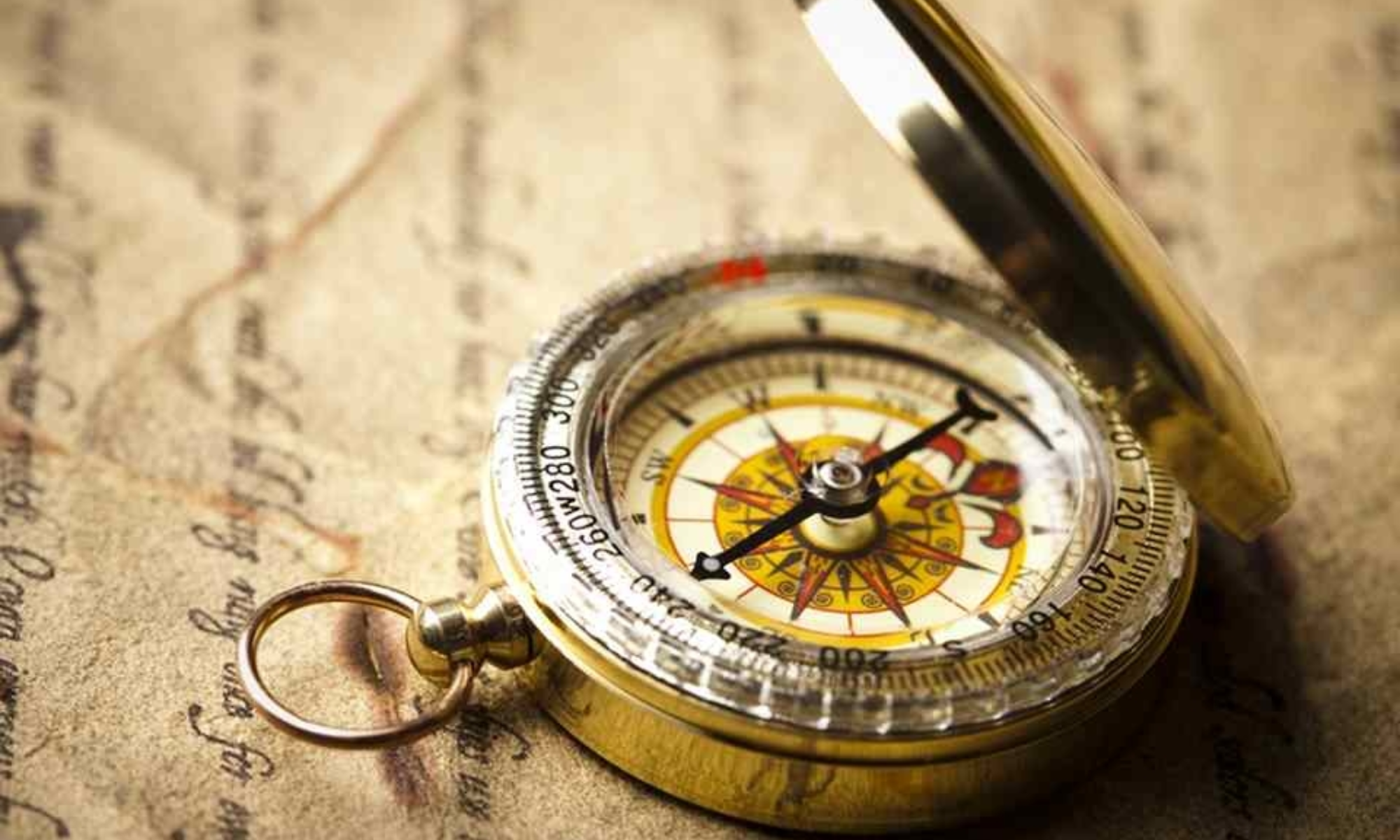
Getting lost is a real possibility during trekking, so a compass and map are essential tools to help you find your way and stay oriented.
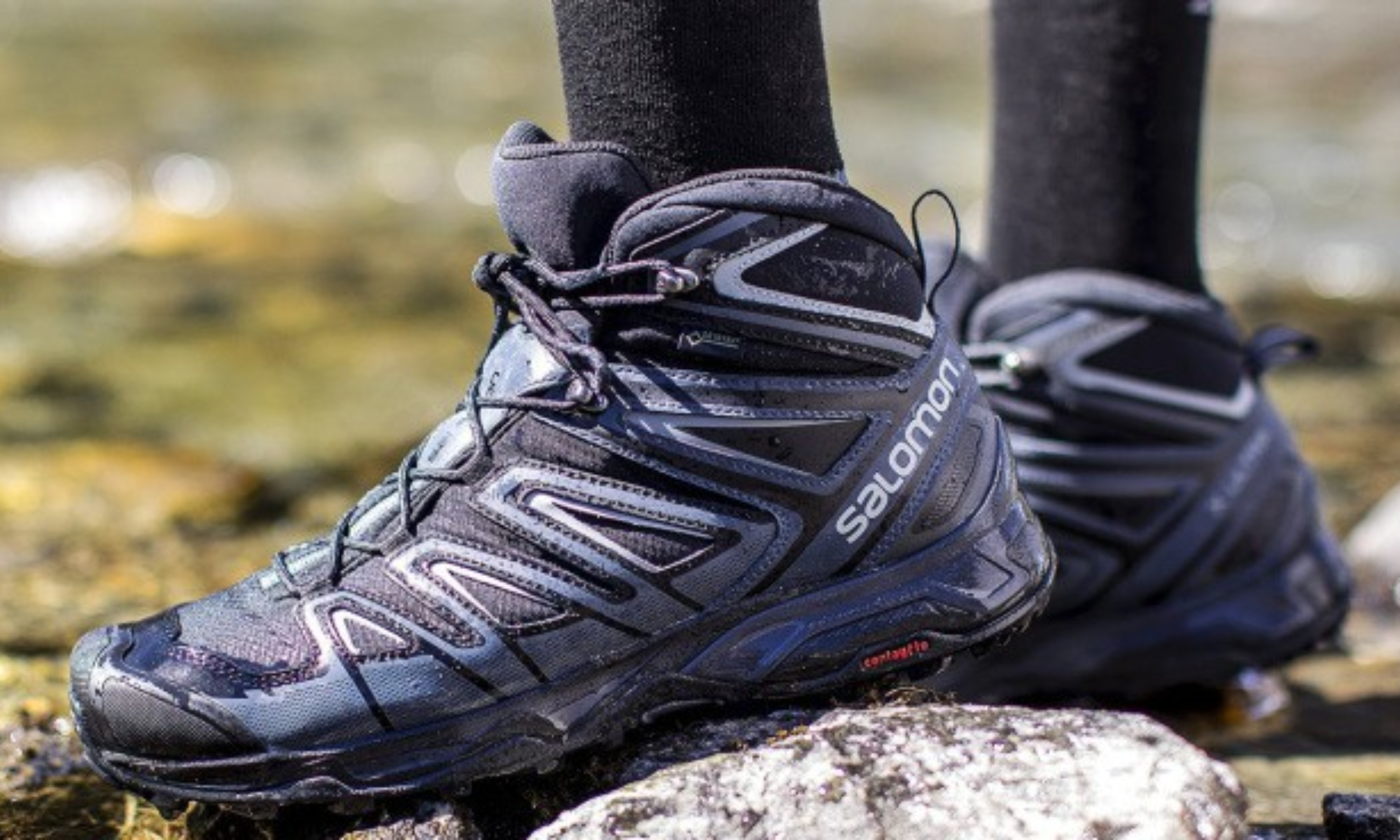
4.3 Hiking Boots
Unlike casual walking or standard travel, trekking often involves climbing and navigating difficult terrains. Trekking boots should have rubber soles with strong treads for grip, waterproof fabric, and a snug fit to ensure comfort and safety.
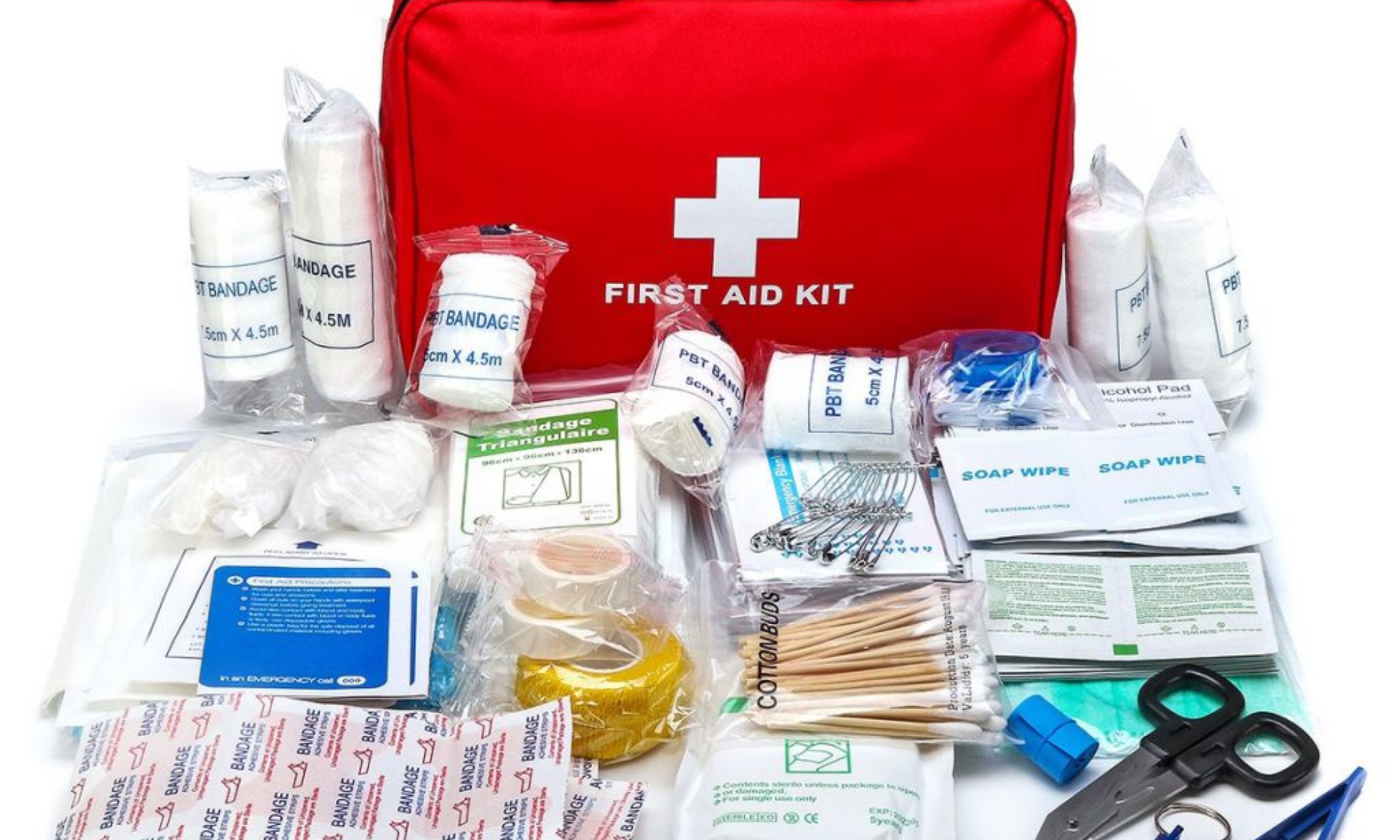
4.4 Medical Supplies
Carrying a personal medical kit is crucial for trekking. In rugged terrains like Tà Giang or Vietnam’s easternmost regions, you might encounter risks such as scratches, insect bites, or falls.
To manage minor injuries and prevent more serious health issues, pack essentials like bandages, antiseptic, insect repellent, and basic medications. Preparing well not only safeguards you but also helps your group members when needed. Don’t let unforeseen mishaps ruin your adventure!
4.5 Utility Knife
A small utility knife can be highly beneficial. It can be used for self-defense, peeling fruit, cutting food, marking paths, and more. Choose a knife that is compact, sturdy, durable, and sharp.
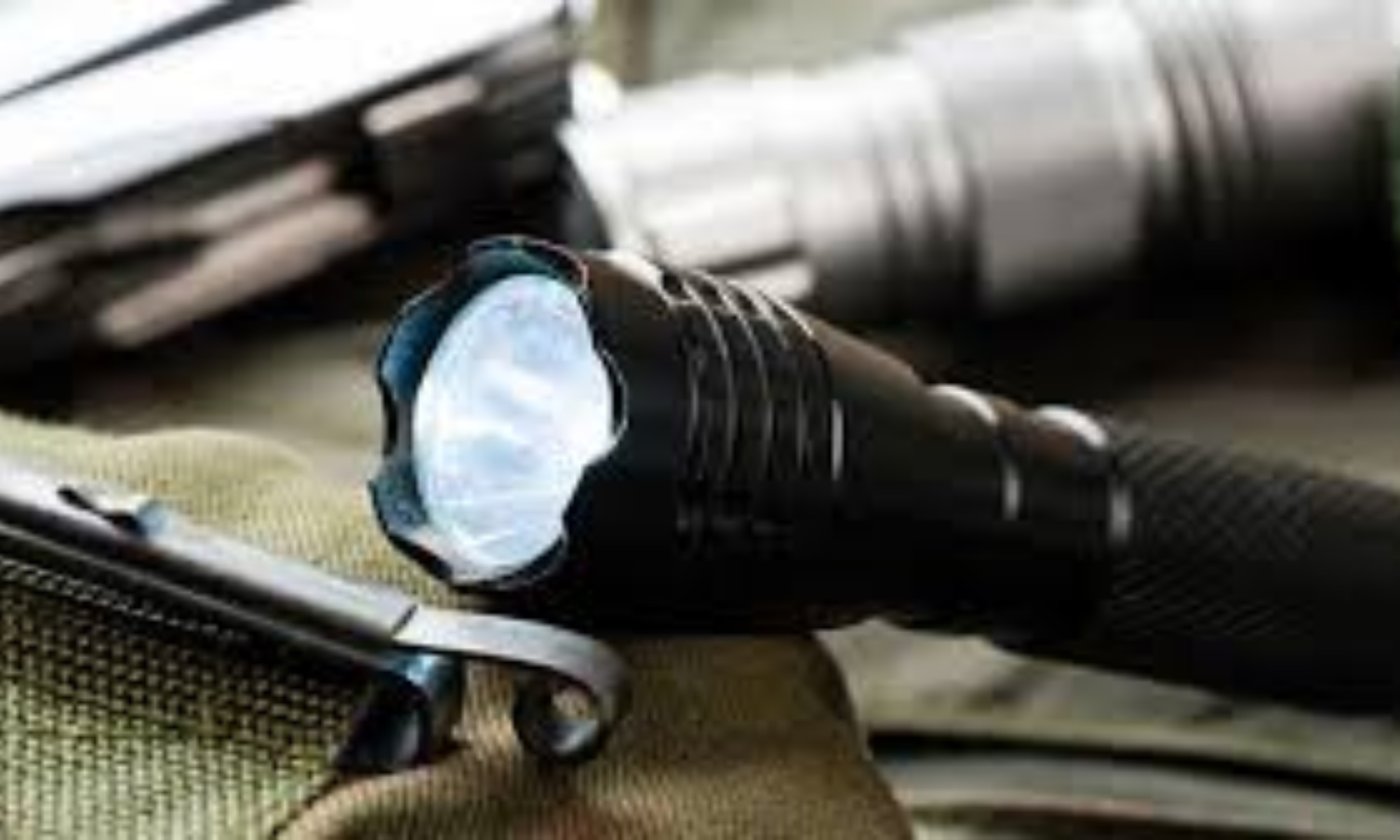
4.6 High-Intensity Flashlight
Like a utility knife, a flashlight is an essential item for trekking. It helps you see the path, find items in your backpack, navigate in low-light conditions, and signal for help. A good trekking flashlight should have strong brightness, long battery life, a compact size, and easy operation.
Some models, such as the Klarus G15 or Fenix E35 V3, available at Shadow Vietnam, are compact yet highly luminous, making them indispensable for a safe and complete trekking trip.
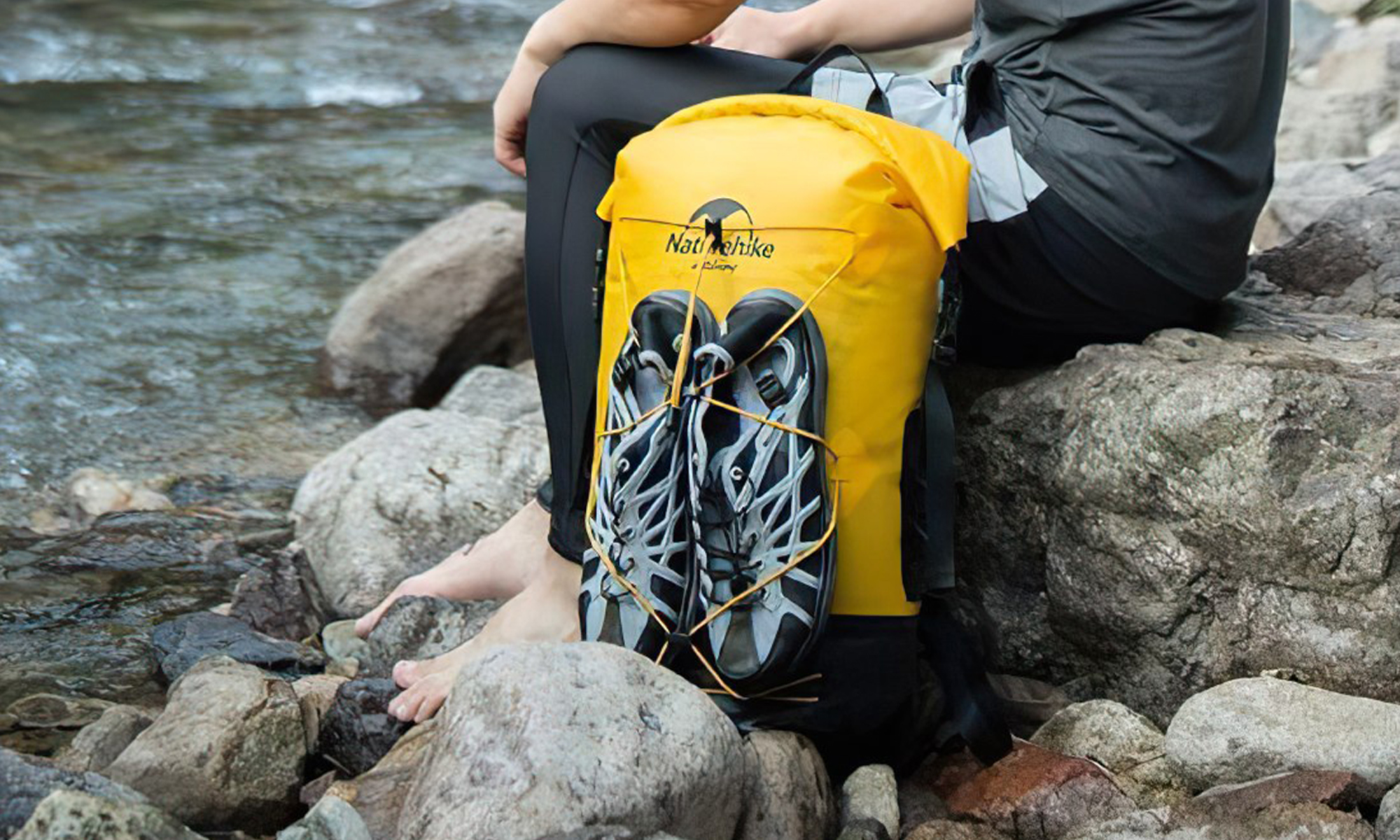
4.7 Outdoor Backpack
For long trekking trips, you need a spacious, multifunctional backpack with a load-bearing belt to reduce the strain while traveling. A trekking-specific backpack should be waterproof, lightweight yet durable, intelligently designed with large and small compartments, utility hooks, and enough capacity to carry 10–20 kg of gear.
4.8 Other Important Knowledge
When trekking, it’s essential to know certain survival skills and problem-solving techniques:
Choose a route that matches your abilities.
Manage your stamina throughout the journey to minimize injuries.
Develop a love for adventure and exploration while maintaining a strong, determined mindset.
Learn to read and determine locations and paths using a map.
Know how to navigate with a compass.
Estimate time based on the position of the sun.
Find clean water sources and food.
Identify edible plants or fruits from the forest.
Signal for help effectively to draw attention from afar.
Provide first aid for injuries like scratches, bee stings, or insect bites.
Locate shelters to avoid wild animals.
Assess shallow and deep waters to cross safely.
5. Things to Note When Trekking
Before embarking on this exciting form of adventure travel, keep the following in mind to ensure a safe and smooth trip, allowing you to enjoy a perfect experience:
Pack essential and practical items, avoiding unnecessary, heavy belongings that may hinder long-distance movement.
Be aware of your physical condition. Trekking requires good stamina and endurance as the journey involves walking long distances and climbing challenging terrains. Those with underlying health issues (e.g., heart, respiratory conditions), limited mobility, pregnant women, young children, or the elderly should opt for lighter activities like camping or hiking.
Choose a route that matches your abilities to ensure you can complete it comfortably. Alternatively, select a path based on personal interests, such as wading through streams, climbing hills, or exploring rugged, rocky trails for a more adventurous experience.
Understand the local weather to prepare suitable clothing and gear for temperature, humidity, rainfall, or storm risks.
Respect nature and the local community. Ensure you leave no negative impact on the environment or local habitat before departing. Avoid actions such as littering, graffiti on rocks or trees, using explosives to hunt wildlife, or damaging plants.
6. Top 5 Ideal Trekking Destinations with Stunning Scenery in Vietnam
If you’re looking for trekking locations for your upcoming vacation or nature exploration plans, here are five beloved destinations in Vietnam to conquer and discover:
6.1 Sapa
Sapa is a renowned tourist destination both domestically and internationally. It’s an ideal spot for trekking groups seeking adventurous and fascinating exploration. You can choose trekking routes like Cát Cát – Y Linh Hồ Hill, Lao Chải – Tả Van Hill, Fansipan Peak, Tả Phìn, Silver Falls, or Mường Hoa Valley. Immerse yourself in the pristine beauty of the Northwestern mountains, admire terraced rice fields stretching to the horizon, picturesque waterfalls, and experience the unique, simple lifestyle of the local ethnic communities.
6.2 Tà Năng
Tà Năng in Lâm Đồng is another favorite among trekkers. Along its 50 km of trails and forest paths, you’ll encounter breathtaking scenery and immerse yourself in majestic nature, with challenging terrains to test your limits.
Trekking in Tà Năng allows you to cross three provinces: Lâm Đồng, Bình Thuận, and Ninh Thuận. The best times to visit are after the rainy season when the greenery is lush or during the dry season when the vast forest turns golden brown.
6.3 Easternmost Point
The Easternmost Point of Vietnam, located in Khánh Hòa province, is where the first sunlight of the day touches the mainland. It’s a popular choice for trekkers who love coastal trekking combined with rock climbing.
However, due to its hot and dry climate, trekking here may not be as comfortable as forest or mountain treks, making it a less appealing choice for inexperienced trekkers.
6.4 Langbiang
Langbiang, the highest peak in Đà Lạt, Lâm Đồng, is a favorite destination for trekkers seeking adventure and challenges.
A Langbiang trek offers stunning natural beauty, a bird’s-eye view of the misty city of Đà Lạt, and opportunities for camping, watching the sunrise, and enjoying a bonfire—making for an incredible experience.
6.5 Pù Luông
Pù Luông, located in northwestern Thanh Hóa province, boasts a 1,700-meter-high peak and captivating landscapes such as flower valleys, expansive terraced rice fields cultivated by the Thai ethnic community, and lush green forests in the Pù Luông National Nature Reserve. These features make it a highly-rated trekking destination for many adventurers.
7. Activities to Enjoy During Trekking and Hiking
Trekking and hiking are not just about walking through nature; they also provide opportunities to engage in various exciting activities. In this section, we introduce unique experiences such as paddleboarding, swimming, or exploring caves. These activities enrich your journey, allowing you to fully immerse yourself in the beauty of nature and the surrounding life.
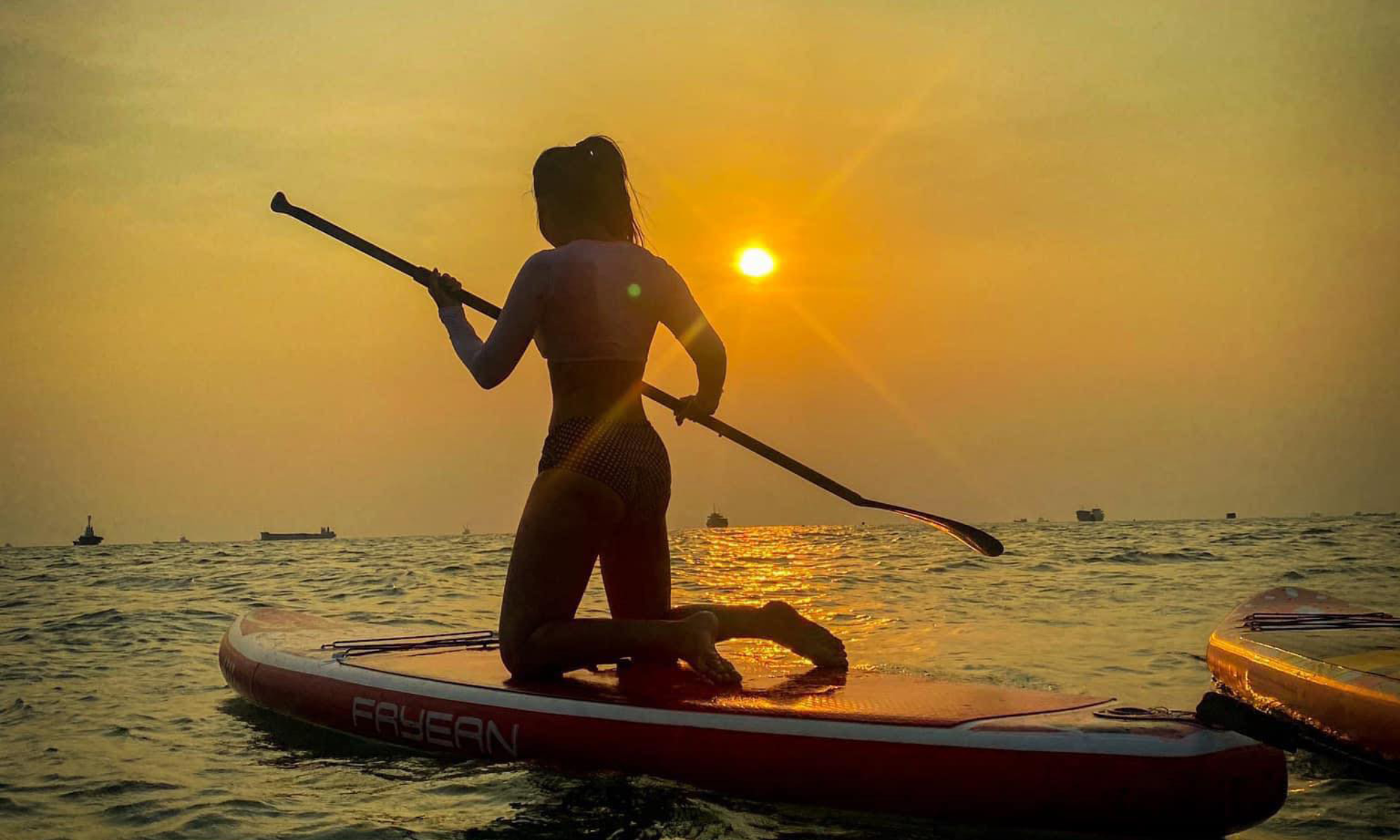
Paddleboarding (SUP): Paddleboarding is an activity where you explore lakes, rivers, or seas on a paddleboard. It’s becoming increasingly popular among young outdoor enthusiasts. Notable paddleboarding spots in Southern Vietnam include:
Cần Giờ: Discover the mangrove ecosystem.
Saigon South Marina Club: Paddle Boarding in Southern Saigon.
Rock Climbing: This extreme sport is ideal for those who love challenges and thrilling experiences. Usually reserved for experienced climbers, it requires at least 2–3 years of indoor climbing practice before attempting outdoor climbs. Good physical health and proper safety equipment are essential for participation.
Abseiling: Abseiling involves descending a mountain using ropes and specialized safety gear instead of climbing up to the summit.
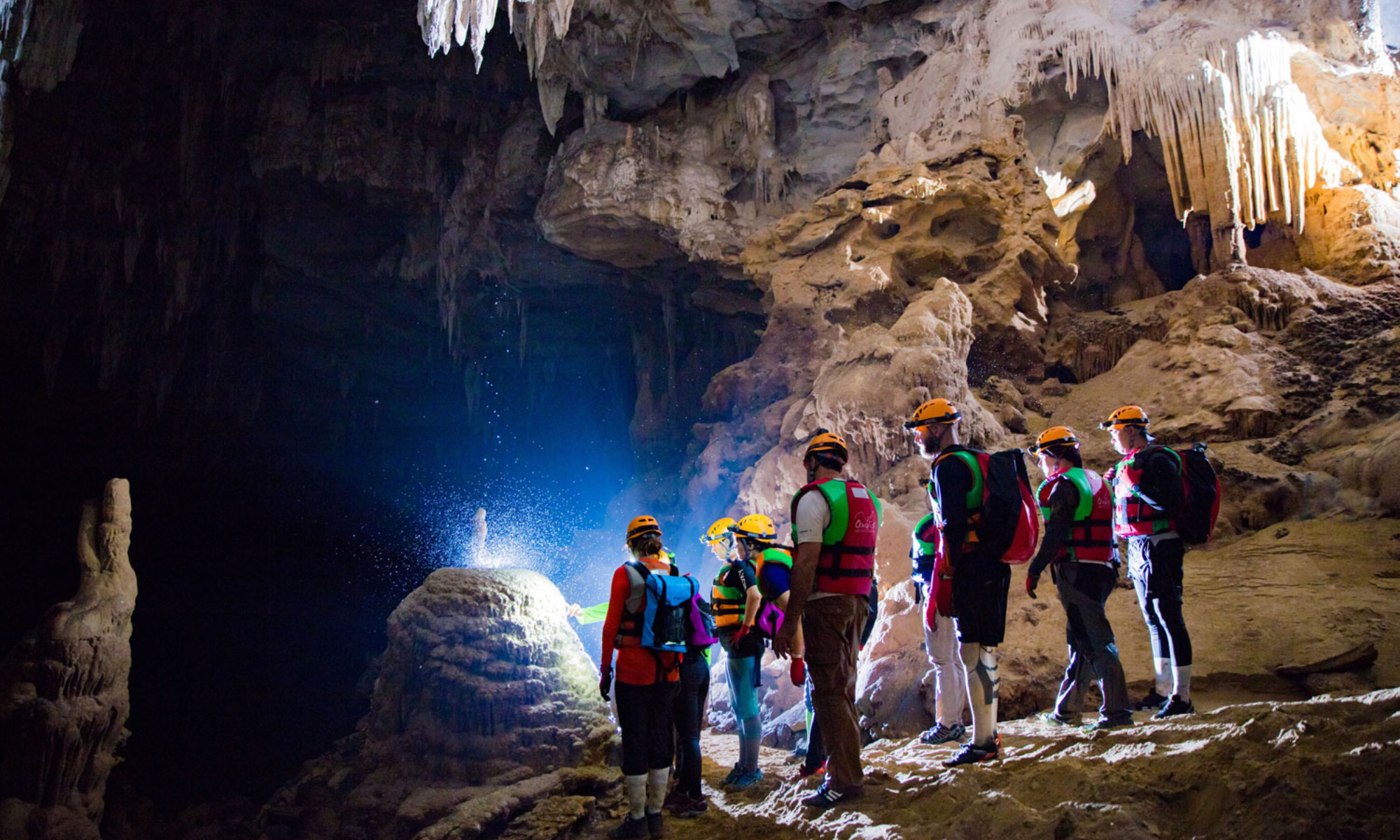
Caving: Explore large, pristine caves in this activity suitable for individuals aged 7 and up for safety reasons. Popular caving destinations in Vietnam include Sơn Đoòng Cave and Phong Nha Cave.
Swimming: A common activity during outdoor trips or visits to rivers and lakes. A life jacket is essential to ensure safety, as the swimming distance can be long and water depths unpredictable.
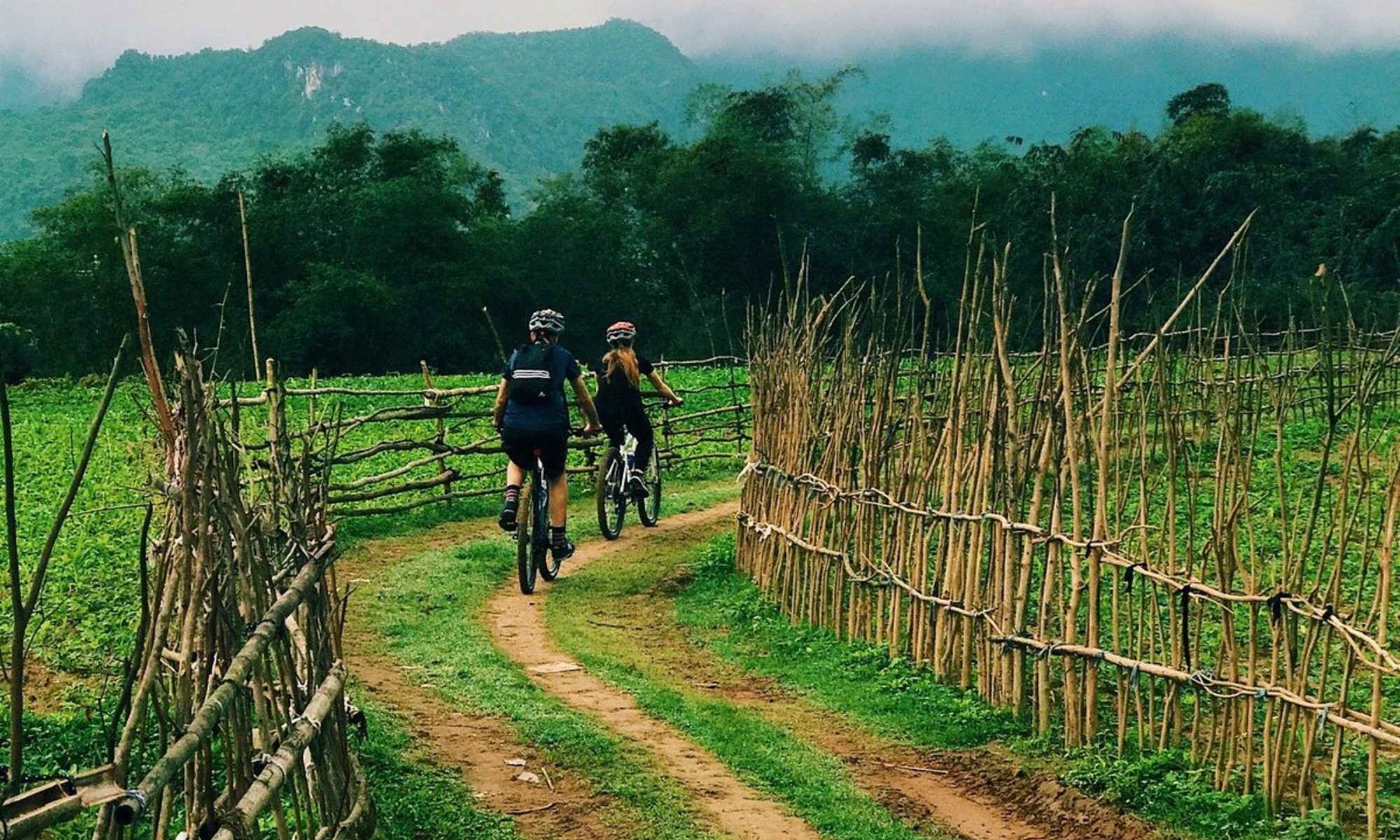
Biking: This involves cycling in groups across various terrains such as hills, mountains, and streams. Since biking routes are often lengthy and diverse, good physical stamina and safety gear are crucial for a smooth journey.
Paragliding: Experience the thrill of soaring through the skies, gliding among the clouds and winds.
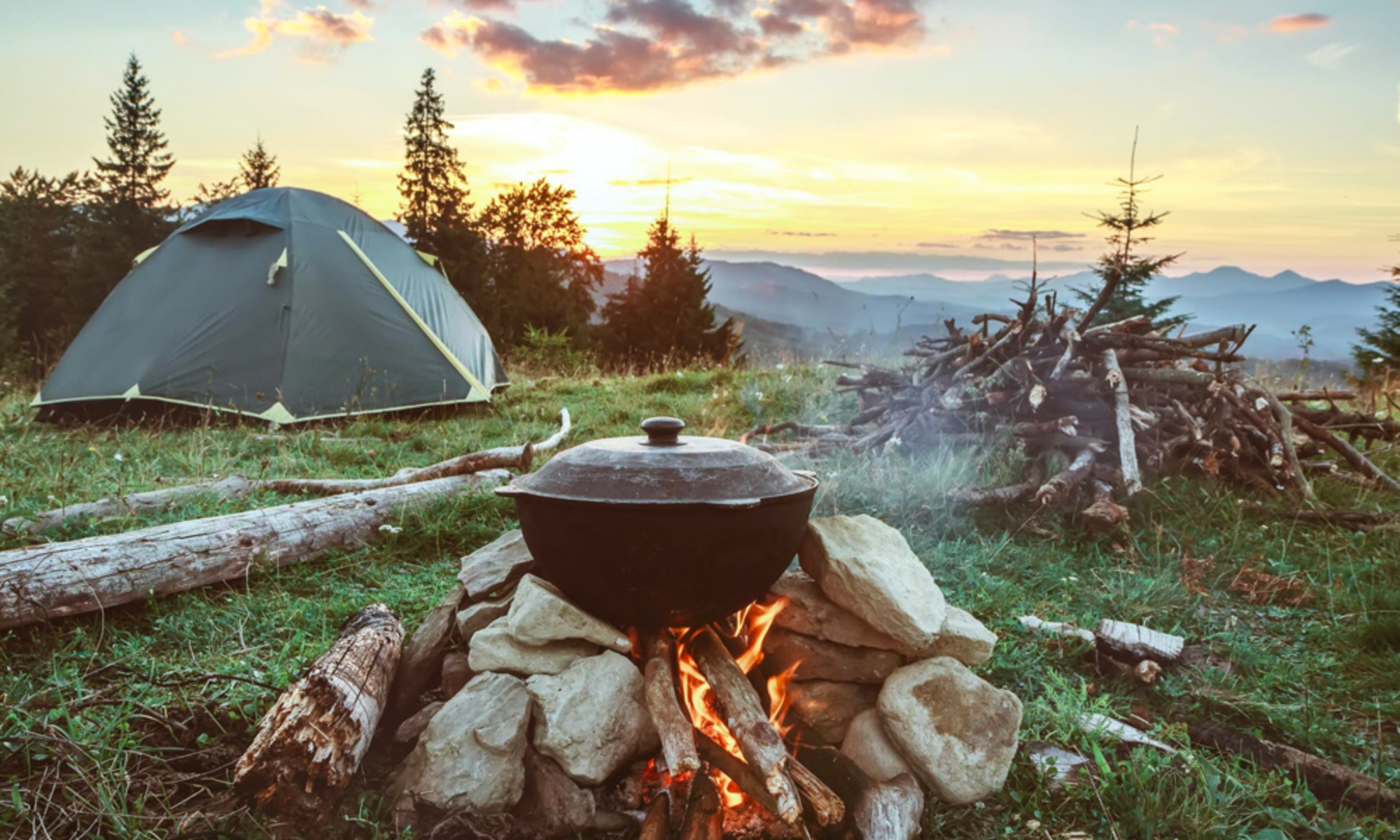
Camping: Camping in nature requires thorough preparation, including tents, sleeping bags, sunscreen, mosquito repellent, food, medicines, and other essentials for multi-day trips.
With the growing popularity of experiential travel, outdoor activities like trekking and hiking have become a trend embraced by many. Understanding the nature of each activity will help you prepare better for your adventure. Regardless of the type of experience you choose, safety and the joy of connecting with nature should always be the top priorities.