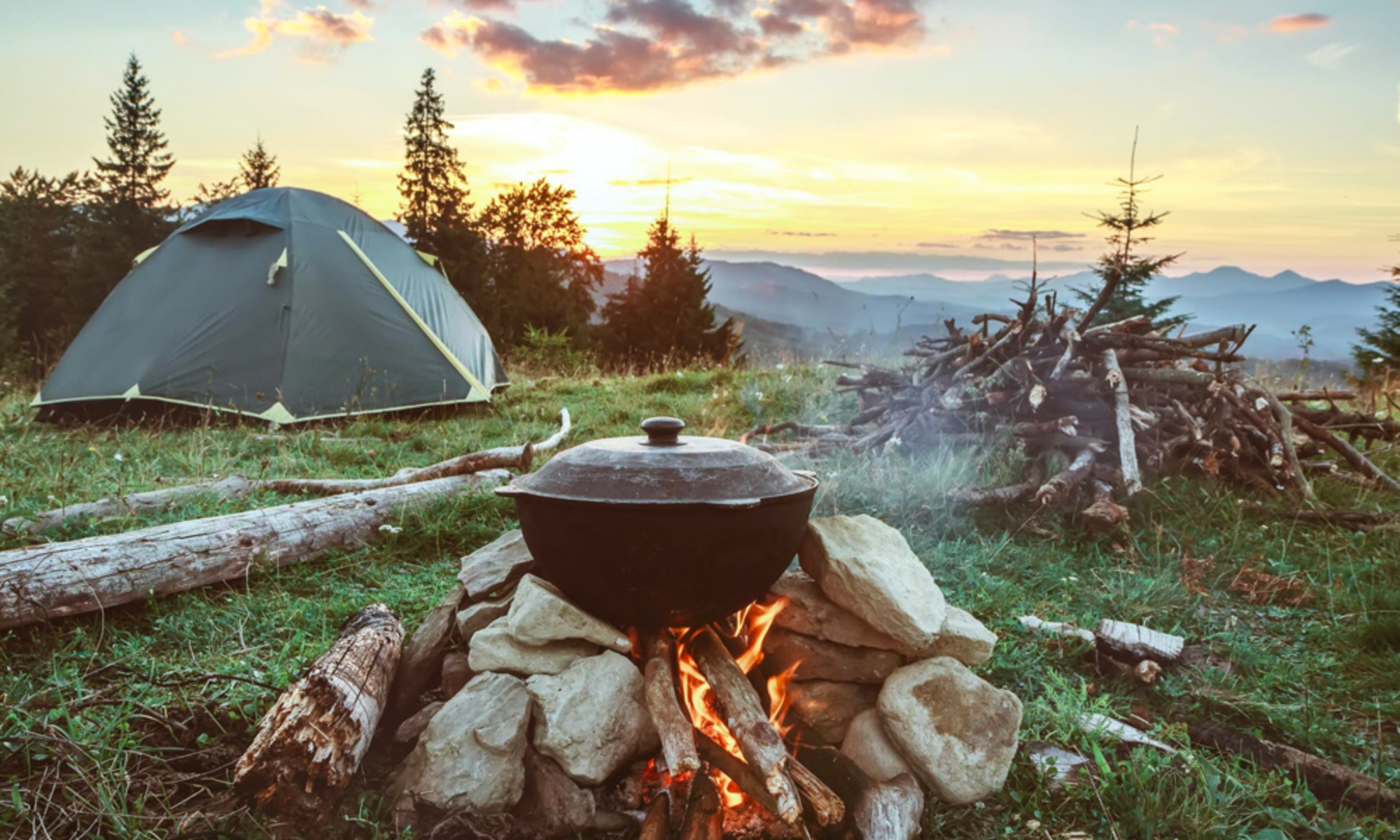
Dans le monde des passionnés de voyage, l’image d’un aventurier avec un sac à dos surdimensionné est devenue un symbole de liberté, d’aventure et de découverte. Mais saviez-vous que derrière cette image familière se cachent deux philosophies du voyage bien distinctes : le style Routard (Backpacking) et le style Flashpacker ?
Ce ne sont pas seulement des termes à la mode ; ils représentent deux mentalités, deux approches et deux manières de vivre un périple. Comprendre à quelle “école” vous appartenez vous aidera à planifier un voyage plus épanouissant, parfaitement adapté à votre budget et à vos envies d’expériences.
Êtes-vous un voyageur minimaliste en quête de connexions authentiques, ou un explorateur moderne qui ne veut pas renoncer au confort ? Rejoignez les experts de Stories Travel pour une plongée dans l’univers du Routard et du Flashpacker afin de trouver votre véritable identité de voyageur.
Le Routard (Backpacking) – La philosophie de la simplicité et de la liberté
Le style “routard” est l’art de voyager en toute indépendance avec un budget minimal. Le “backpacker” est une personne prête à sacrifier le confort matériel en échange d’expériences authentiques et de la possibilité de prolonger son voyage aussi longtemps que possible. Ce sont les maîtres de l’organisation de bagages légers, toujours à la recherche d’auberges de jeunesse économiques et n’hésitant jamais à utiliser les transports en commun.
Le but du routard n’est pas seulement de visiter un lieu, mais d’y “vivre” — de s’immerger dans le rythme de la vie locale et de se lier d’amitié avec d’autres voyageurs du monde entier.
Portrait du Routard classique :
Le budget est Roi : Chaque décision est mûrement réfléchie pour optimiser les coûts.
Des voyages au long cours : Les périples durent souvent plusieurs semaines, voire plusieurs mois.
L’expérience avant le matériel : Il dormira volontiers dans un dortoir pour économiser de l’argent pour un trek dans la jungle ou un cours de plongée.
La connexion est essentielle : La salle commune de l’auberge de jeunesse est son sanctuaire, un lieu pour rencontrer, partager et trouver des compagnons de route.
Bagage minimaliste : Tout ce dont il a besoin pour son voyage tient dans un seul sac à dos.
L’expérience du Routard au Vietnam : Le Vietnam est un paradis pour les backpackers grâce à son coût de la vie abordable. Ils traversent souvent le pays en moto ou en bus, découvrant les cols majestueux de Ha Giang et s’imprégnant de l’atmosphère vibrante des auberges de jeunesse de Hanoï et Hô Chi Minh-Ville.
Le Flashpacker – À la croisée de l’aventure et du confort
Le “flashpacking” est la nouvelle école du voyage sac à dos, née lorsque la génération des routards a mûri, a commencé une carrière et a acquis une plus grande stabilité financière. Le “flashpacker” conserve cet esprit d’indépendance et ce désir d’expériences authentiques, mais il n’est plus prêt à sacrifier son confort.
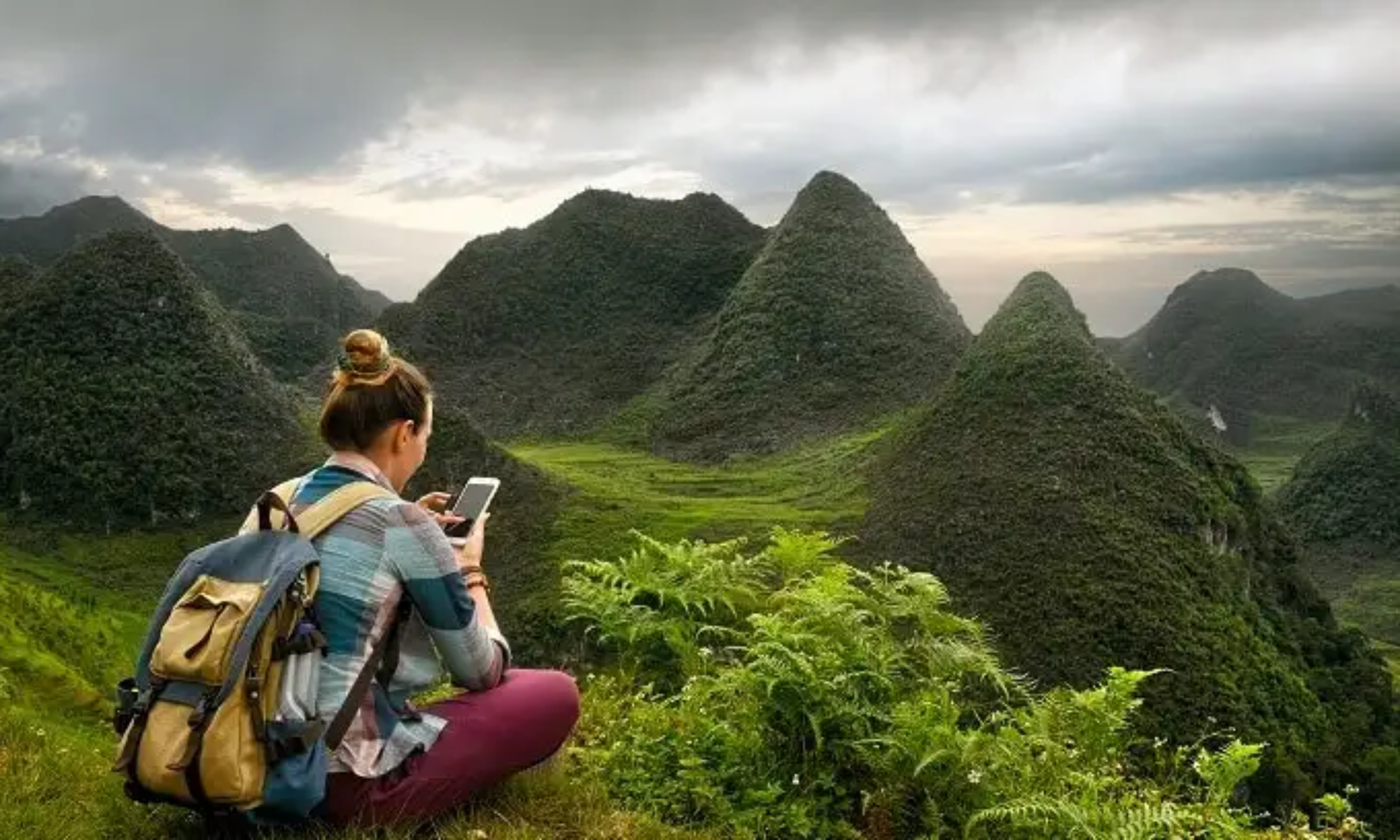
Il dispose d’un budget plus conséquent et paiera volontiers pour une chambre privée dans une auberge, un charmant hôtel de charme ou un vol intérieur pour gagner du temps. Son sac contient non seulement des vêtements, mais aussi un ordinateur portable, un appareil photo de qualité et d’autres gadgets technologiques.
Portrait du Flashpacker moderne :
L’expérience est Reine, mais le confort est Roi : Il recherche des expériences locales uniques mais a aussi besoin d’un lit confortable et d’une salle de bain privée et propre à la fin de la journée.
Le temps, c’est de l’or : Il est prêt à dépenser plus pour se déplacer plus rapidement et plus efficacement, afin de maximiser ses découvertes pendant des vacances limitées.
Toujours connecté : La technologie est son compagnon indispensable. Un ordinateur portable pour le travail, un smartphone haut de gamme pour les photos et une connexion internet fiable sont non négociables.
L’équilibre parfait : Il peut savourer un délicieux repas de rue pour le déjeuner et siroter un cocktail artisanal dans un bar sur un toit-terrasse le soir.
L’expérience du Flashpacker au Vietnam : Un flashpacker pourrait commencer son voyage par un vol vers Dien Bien Phu pour explorer l’histoire, puis louer une voiture privée pour se rendre à Sapa, séjourner dans un bungalow privé avec vue sur les rizières en terrasses, tout en respectant ses délais professionnels chaque matin grâce à une connexion internet haut débit.
Critère
Routard (Traditionnel)
Flashpacker (Moderne)
Budget
Minimaliste, très planifié
Plus flexible, prêt à payer pour le confort
Hébergement
Dortoirs en auberge de jeunesse
Chambres privées, hôtels de charme
Transport
Bus locaux, motos
Vols, trains, voitures privées
Technologie
Minimale (un téléphone)
Complète (ordinateur, appareil photo…)
Durée du voyage
Longue, flexible
Plus courte, optimisée
Âge moyen
Étudiants, jeunes adultes (18-25)
Professionnels, adultes établis (25-40+)
Quel voyageur êtes-vous ?
Quelle philosophie vous correspond le plus ?
Si vous pensez que “Le voyage est plus important que la destination” et êtes prêt à échanger le confort pour prolonger ce voyage, vous avez l’âme d’un Routard.
Si vous pensez que “Vous pouvez avoir à la fois l’aventure et le confort” et voulez maximiser vos expériences dans un temps limité, vous êtes un vrai Flashpacker.
Que vous soyez un routard en quête des expériences les plus authentiques ou un flashpacker désirant une aventure confortable mais unique, Stories Travel a ce qu’il vous faut.
Pour nos Routards : Nous vous guiderons vers des itinéraires hors des sentiers battus, vous mettrons en contact avec d’authentiques familles locales et assurerons votre sécurité sur toutes les routes avec notre équipe d’assistance 24/7.
Pour nos Flashpackers : Nous nous occupons de chaque détail. Une voiture privée avec chauffeur est toujours prête, une carte SIM 4G haut débit vous garde connecté, et notre sélection d’hébergements uniques a été rigoureusement vérifiée par notre équipe. Vous n’avez qu’à faire votre sac et partir ; nous nous occupons du reste.
Aucun style n’est meilleur que l’autre. Le plus important est de se connaître et de choisir le voyage qui vous ressemble. Le style routard est un hymne à la liberté, tandis que le flashpacking est une symphonie d’aventure et de confort.
Alors, quelle mélodie résonne dans votre âme de voyageur ? Partagez-la avec Stories Travel, et laissez-nous vous aider à composer une histoire de voyage parfaite !
Trong thế giới của những người đam mê xê dịch, hình ảnh một lữ khách với chiếc balo to quá khổ trên vai đã trở thành biểu tượng của sự tự do, phiêu lưu và khám phá. Nhưng bạn có biết, đằng sau hình ảnh quen thuộc đó là hai “trường phái” du lịch hoàn toàn khác biệt: Backpacking và Flashpacking.
Đây không chỉ là những thuật ngữ thời thượng, chúng đại diện cho hai triết lý, hai phong cách và hai cách tiếp cận hành trình hoàn toàn khác nhau. Việc hiểu rõ mình thuộc về “trường phái” nào sẽ giúp bạn lên kế hoạch cho một chuyến đi trọn vẹn, phù hợp với cả túi tiền và mong muốn trải nghiệm của bản thân.
Bạn là một nhà du hành tối giản tìm kiếm sự kết nối chân thực, hay một nhà thám hiểm hiện đại không muốn từ bỏ sự tiện nghi? Hãy cùng các chuyên gia của Stories Travel đi sâu vào thế giới của Backpacking và Flashpacking để tìm ra câu trả lời cho riêng mình.
Backpacking (Du lịch bụi truyền thống) – Triết lý của sự Tối giản và Tự do
Backpacking là hình thức du lịch độc lập, tự túc với ngân sách tiết kiệm tối đa. “Backpacker” (tây ba lô) là những người sẵn sàng hy sinh sự thoải mái vật chất để đổi lấy những trải nghiệm chân thực và kéo dài hành trình của mình lâu nhất có thể. Họ là những bậc thầy của việc đóng gói hành lý gọn nhẹ, tìm kiếm những nhà nghỉ (hostel) giá rẻ và không ngần ngại sử dụng các phương tiện giao thông công cộng.
Mục tiêu của backpacking không chỉ là đến một nơi, mà là “sống” ở nơi đó, hòa mình vào dòng chảy của cuộc sống bản địa và kết nối với những người bạn đồng hành từ khắp nơi trên thế giới.
Chân dung của một Backpacker điển hình:
Ngân sách là Vua: Mọi quyết định đều được cân nhắc kỹ lưỡng để tối ưu chi phí. Họ có thể tự nấu ăn tại hostel để tiết kiệm tiền.
Hành trình dài ngày: Các chuyến đi thường kéo dài vài tuần, thậm chí vài tháng.
Ưu tiên trải nghiệm hơn vật chất: Họ sẵn sàng ngủ giường tầng trong phòng dorm để dành tiền cho một chuyến trekking vào rừng sâu hay một khóa học lặn biển.
Sự kết nối là tất cả: Không gian chung của hostel là “thánh địa” để họ gặp gỡ, chia sẻ kinh nghiệm và tìm bạn đồng hành.
Hành lý tối giản: Mọi thứ cần thiết cho cả chuyến đi đều nằm gọn trong một chiếc balo.
Trải nghiệm Backpacking tại Việt Nam: Việt Nam là thiên đường của backpacking với chi phí sinh hoạt hợp lý. Các backpacker thường di chuyển xuyên Việt bằng xe máy hoặc xe khách, khám phá những cung đường đèo hùng vĩ ở Hà Giang, len lỏi vào những bản làng ở Sapa, hay tận hưởng không khí sôi động tại các hostel ở Hà Nội và TP.HCM.
Flashpacking (Du lịch bụi cao cấp) – Sự giao thoa giữa Phiêu lưu và Tiện nghi
Flashpacking là một xu hướng du lịch bụi kiểu mới, ra đời khi thế hệ “backpacker” ngày xưa trưởng thành, có sự nghiệp và nguồn tài chính vững vàng hơn. “Flashpacker” vẫn giữ trọn vẹn tinh thần độc lập, tự do và khao khát trải nghiệm chân thực, nhưng họ không còn sẵn sàng hy sinh sự thoải mái.
Họ có ngân sách lớn hơn và sẵn sàng chi trả cho một phòng riêng trong hostel, một khách sạn boutique độc đáo, hay một chuyến bay nội địa để tiết kiệm thời gian. Hành lý của họ không chỉ có quần áo, mà còn có cả laptop, máy ảnh xịn và các thiết bị công nghệ khác để vừa du lịch, vừa làm việc từ xa.
Chân dung của một Flashpacker hiện đại:
Trải nghiệm là Vua, nhưng Tiện nghi là Hoàng hậu: Họ muốn những trải nghiệm địa phương độc đáo nhưng cũng cần một chiếc giường êm ái và phòng tắm sạch sẽ vào cuối ngày.
Thời gian là Vàng: Họ sẵn sàng trả thêm tiền để di chuyển nhanh hơn, hiệu quả hơn, tối đa hóa thời gian khám phá trong một kỳ nghỉ có giới hạn.
Luôn luôn kết nối: Công nghệ là người bạn đồng hành không thể thiếu. Laptop để làm việc, smartphone cao cấp để chụp ảnh, và một kết nối internet ổn định là điều bắt buộc.
Sự cân bằng hoàn hảo: Họ có thể ăn một món ăn đường phố giá rẻ vào buổi trưa và thưởng thức một ly cocktail tại một quán bar trên sân thượng vào buổi tối.
Trải nghiệm Flashpacking tại Việt Nam: Một flashpacker có thể bắt đầu hành trình bằng một chuyến bay đến Điện Biên để khám phá lịch sử, sau đó thuê xe riêng để di chuyển đến Sapa, ở trong một bungalow riêng tư có view nhìn ra ruộng bậc thang, và vẫn hoàn thành công việc của mình mỗi sáng nhờ kết nối internet tốc độ cao.
Tiêu chí
Backpacking (Du lịch bụi truyền thống)
Flashpacking (Du lịch bụi cao cấp)
Ngân sách
Tiết kiệm tối đa, chi tiêu có kế hoạch
Thoải mái hơn, sẵn sàng chi cho tiện nghi
Nơi ở
Ưu tiên phòng dorm trong hostel
Phòng riêng, boutique hotel, homestay chất lượng cao
Phương tiện
Xe khách, xe máy, phương tiện công cộng
Máy bay, tàu hỏa, xe riêng, taxi/Grab
Công nghệ
Tối giản (chủ yếu là điện thoại)
Đầy đủ (laptop, máy ảnh, smartphone cao cấp…)
Thời gian
Dài ngày, không bị gò bó
Ngắn hơn, tối ưu hóa thời gian
Độ tuổi phổ biến
Sinh viên, người trẻ (18-25)
Người đã đi làm, có thu nhập (25-40+)
Bạn là Backpacker hay Flashpacker?
Hãy xem triết lý nào phù hợp với bạn hơn:
Nếu bạn tin rằng “Hành trình quan trọng hơn đích đến” và sẵn sàng đánh đổi tiện nghi để kéo dài hành trình đó, bạn mang trong mình tinh thần của một Backpacker.
Nếu bạn tin rằng “Bạn có thể vừa phiêu lưu vừa tận hưởng” và muốn tối đa hóa trải nghiệm trong một khoảng thời gian giới hạn, bạn chính là một Flashpacker.
Dù bạn là một backpacker đang tìm kiếm những trải nghiệm chân thực nhất hay một flashpacker muốn một hành trình tiện nghi nhưng không kém phần độc đáo, Stories Travel đều có thể đáp ứng.
Dành cho các Backpacker: Chúng tôi sẽ gợi ý những cung đường ít người biết, kết nối bạn với những homestay bản địa đích thực và đảm bảo sự an toàn của bạn trên mọi nẻo đường với đội ngũ hỗ trợ 24/7.
Dành cho các Flashpacker: Chúng tôi sẽ lo liệu mọi chi tiết nhỏ nhất. Một chiếc xe riêng cùng tài xế luôn sẵn sàng, một chiếc SIM 4G tốc độ cao để bạn luôn kết nối, và những lựa chọn lưu trú độc đáo đã được chúng tôi thẩm định kỹ lưỡng. Bạn chỉ cần xách balo lên và đi, mọi thứ khác đã có chúng tôi lo.
Kết luận Không có phong cách nào là tốt hơn phong cách nào. Điều quan trọng nhất là hiểu rõ bản thân và chọn cho mình một hành trình phù hợp. Backpacking là một bài ca về sự tự do, còn Flashpacking là một bản giao hưởng giữa phiêu lưu và tiện nghi.
Vậy, bản giao hưởng hay bài ca nào đang vang lên trong tâm hồn bạn? Hãy chia sẻ với Stories Travel và để chúng tôi giúp bạn viết nên một câu chuyện hành trình hoàn hảo
Choisir le mauvais repas peut laisser un regret, mais choisir le mauvais hébergement peut gâcher tout un voyage. L’endroit que vous choisissez pour vous reposer après une longue journée d’exploration n’est pas seulement un lit ; c’est votre espace pour vous ressourcer, la lentille à travers laquelle vous découvrez une destination, et parfois, le lieu où naissent les histoires les plus mémorables.
Au Vietnam, avec sa riche diversité de cultures et de paysages, les trois options les plus populaires sont l’hôtel, l’auberge de jeunesse et le séjour chez l’habitant. Chacune ouvre la porte à une expérience complètement différente. Alors, quelle sera votre véritable “maison” loin de chez vous ? Forts de notre expérience dans l’organisation de milliers de voyages, Stories Travel est là pour vous aider à décrypter ces options et à trouver le choix parfait.
Hôtel – Le royaume du confort et de l’intimité
L’hôtel est le choix le plus classique et standardisé. C’est un établissement professionnel offrant des services d’hébergement, avec des chambres privées équipées de toutes les commodités — des salles de bains privatives, la climatisation, la télévision, au service en chambre, la blanchisserie et la restauration sur place.
L’expérience clé : Le confort, le professionnalisme, un service dédié et une intimité absolue. Tout est standardisé pour offrir un maximum de bien-être.
Idéal pour :
Les voyageurs d’affaires ayant besoin d’un espace calme pour travailler.
Les familles avec de jeunes enfants qui recherchent des installations comme une piscine ou un restaurant.
Les couples en quête d’une escapade romantique, privée et haut de gamme.
Les voyageurs qui privilégient la sécurité, la propreté et les standards de service internationaux.
La touche vietnamienne : Au-delà des chaînes hôtelières 5 étoiles dans les grandes villes, le Vietnam est fier de ses charmants hôtels de charme (boutique hotels) nichés au cœur de la vieille ville de Hoi An ou de ses hôtels offrant des vues imprenables sur la baie d’Ha Long.
Auberge de Jeunesse – Le cœur de la convivialité et des rencontres
L’auberge de jeunesse est un mode d’hébergement économique axé sur les espaces communs et les dortoirs avec des lits superposés. C’est le paradis des âmes vagabondes et ouvertes, un lieu où les histoires s’échangent au petit-déjeuner et où l’on se fait de nouveaux amis venus des quatre coins du monde.
L’expérience clé : Une atmosphère jeune et dynamique, la connexion avec une communauté de voyageurs et des économies substantielles. Une auberge de jeunesse ne vend pas seulement un lit, elle vend un environnement social.
Idéal pour :
Les voyageurs en solo désireux de rencontrer d’autres aventuriers.
Les groupes de jeunes amis et les routards (backpackers) au budget serré.
Les esprits ouverts qui considèrent les rencontres comme une partie essentielle de leur voyage.
La touche vietnamienne : Les scènes les plus animées se trouvent dans le Vieux Quartier de Hanoï ou le quartier de Bui Vien à Hô Chi Minh-Ville, où les voyageurs du monde entier se retrouvent pour partager leurs expériences.
Séjour chez l’Habitant (Homestay) – Une immersion dans la culture locale
Comme son nom l’indique, le séjour chez l’habitant est une forme d’hébergement où vous logez dans la maison d’une famille locale. C’est une occasion unique de véritablement “vivre” comme un local, au lieu de simplement “observer” en tant que touriste. Vous pourriez vous réveiller au chant du coq, savourer un délicieux petit-déjeuner préparé par votre hôte et écouter des histoires authentiques sur leur vie quotidienne.
L’expérience clé : L’authenticité, la chaleur humaine et une connexion profonde avec la culture et les habitants de la région.
Idéal pour :
Les voyageurs en quête d’expériences authentiques et profondes.
Les photographes souhaitant capturer les précieux moments de la vie de tous les jours.
Les familles qui veulent que leurs enfants découvrent des cultures différentes.
La touche vietnamienne (Le conseil d’expert de Stories Travel) : Imaginez un séjour rustique dans une maison en bois de Pomu à Ha Giang, une maison au milieu des vergers luxuriants du delta du Mékong, ou une petite demeure dans une plantation de café des Hauts Plateaux du Centre. Ce sont ces expériences qui créeront l’histoire unique de votre voyage.
Critère
Hôtel
Auberge de Jeunesse
Séjour chez l’Habitant
Coût
Élevé
Faible
Faible à Moyen
Intimité
Très élevée
Faible (Dortoirs)
Moyenne (Chambres privées possibles)
Expérience culturelle
Faible
Moyenne (via les rencontres)
Très élevée
Commodités
Complètes, professionnelles
Basiques, centrées sur les espaces communs
Variables, selon l’hôte
Ambiance & Rencontres
Calme, formelle
Vibrante, ouverte, propice aux rencontres
Chaleureuse, intime, familiale
Choisir parmi des milliers d’établissements peut être déroutant. Nous ne nous fions pas aux avis génériques en ligne. L’équipe d’experts de Stories Travel a personnellement testé et sélectionné des hébergements uniques, sûrs et pleins de caractère qui correspondent parfaitement à chaque style de voyage, des séjours chez l’habitant secrets aux hôtels de charme les plus originaux.
Vous rêvez d’un homestay rustique mais vous vous inquiétez des commodités ? Vous cherchez un hôtel unique mais craignez les prix élevés ? Laissez nos experts s’en occuper. Avec notre support 24/7 et notre connaissance approfondie du terrain, nous nous assurons que le lieu où vous séjournez devienne une partie merveilleuse de votre récit de voyage.
Qu’il s’agisse d’un lit superposé dans une auberge animée, d’un balcon privé dans un hôtel de luxe ou de la cuisine chaleureuse d’une famille locale, votre hébergement est un personnage clé de votre récit de voyage. Choisissez un “personnage” qui correspond à votre personnalité et à vos désirs.
Avez-vous déjà imaginé la “maison” de votre prochaine aventure ? Contactez Stories Travel et laissez-nous vous aider à écrire une histoire de voyage parfaite !
Chọn sai một món ăn có thể khiến bạn tiếc nuối, nhưng chọn sai nơi ở có thể phá hỏng cả một hành trình. Nơi bạn chọn để ngả lưng sau một ngày dài khám phá không chỉ là một chiếc giường, đó là không gian để bạn tái tạo năng lượng, là cánh cửa để bạn cảm nhận một điểm đến, và đôi khi, là nơi những câu chuyện đáng nhớ bắt đầu.
Tại Việt Nam, với sự đa dạng về văn hóa và cảnh quan, ba lựa chọn phổ biến nhất là Hotel, Hostel và Homestay. Mỗi loại hình mở ra một cánh cửa trải nghiệm hoàn toàn khác biệt. Vậy đâu mới là “ngôi nhà” thực sự dành cho bạn? Với kinh nghiệm sắp đặt hàng ngàn hành trình, Stories Travel sẽ cùng bạn “giải mã” và tìm ra lựa chọn hoàn hảo nhất.
Hotel (Khách sạn) – Sự tiện nghi và riêng tư
Khách sạn là lựa chọn quen thuộc và chuẩn mực nhất. Đây là một cơ sở kinh doanh cung cấp dịch vụ lưu trú chuyên nghiệp, với các phòng riêng tư được trang bị đầy đủ tiện nghi từ phòng tắm riêng, điều hòa, TV cho đến các dịch vụ dọn phòng, giặt ủi và ẩm thực tại chỗ.
Trải nghiệm cốt lõi: Sự tiện nghi, chuyên nghiệp, dịch vụ tận phòng và không gian riêng tư tuyệt đối. Mọi thứ đều được tiêu chuẩn hóa để mang lại sự thoải mái tối đa.
Dành cho ai?
Doanh nhân đi công tác cần không gian yên tĩnh để làm việc.
Các gia đình có trẻ nhỏ cần những tiện ích như hồ bơi, nhà hàng trong khuôn viên.
Các cặp đôi tìm kiếm sự lãng mạn, riêng tư và các dịch vụ cao cấp.
Những du khách ưu tiên sự an toàn, sạch sẽ và các tiêu chuẩn dịch vụ quốc tế.
Dấu ấn tại Việt Nam: Bên cạnh các chuỗi khách sạn quốc tế 5 sao ở các thành phố lớn, Việt Nam còn tự hào với những boutique hotel đầy duyên dáng trong lòng phố cổ Hội An hay những khách sạn có tầm nhìn tuyệt đẹp ra vịnh Hạ Long.
Hostel (Nhà nghỉ) – Giao lưu và kết nối
Hostel là một dạng nhà nghỉ tập trung vào các không gian chung và giường tầng (dormitory), với mức giá rất phải chăng. Đây là thiên đường của những tâm hồn xê dịch cởi mở, nơi những câu chuyện được chia sẻ bên bữa sáng và những người bạn mới từ khắp năm châu được kết giao.
Trải nghiệm cốt lõi: Không khí trẻ trung, sôi động, kết nối cộng đồng và tiết kiệm chi phí. Hostel không chỉ bán một chỗ ngủ, mà bán cả một môi trường xã hội.
Dành cho ai?
Du khách độc hành (solo travelers) muốn tìm bạn đồng hành.
Nhóm bạn trẻ, du lịch bụi (backpackers) với ngân sách tiết kiệm.
Những tâm hồn cởi mở, xem việc gặp gỡ và giao lưu là một phần quan trọng của chuyến đi.
Dấu ấn tại Việt Nam: Khung cảnh hostel sôi động nhất có thể được tìm thấy ở khu Phố Cổ Hà Nội hay khu Bùi Viện ở TP.HCM, nơi du khách từ khắp nơi trên thế giới tụ họp và chia sẻ kinh nghiệm.
Homestay – Văn hóa bản địa
Đúng như tên gọi, homestay là hình thức lưu trú tại nhà của người dân địa phương. Đây là cơ hội duy nhất để bạn thực sự “sống” như một người bản xứ, thay vì chỉ “nhìn ngắm” như một du khách. Bạn sẽ thức dậy với tiếng gà gáy, thưởng thức bữa sáng do chính tay chủ nhà chuẩn bị và lắng nghe những câu chuyện chân thật về cuộc sống thường ngày của họ.
Trải nghiệm cốt lõi: Sự chân thực, ấm cúng, kết nối sâu sắc với văn hóa và con người địa phương.
Dành cho ai?
Những người tìm kiếm trải nghiệm du lịch chân thực và có chiều sâu.
Các nhiếp ảnh gia muốn săn những khoảnh khắc đời thường đắt giá.
Các gia đình muốn con cái có cơ hội tìm hiểu về các nền văn hóa khác nhau.
Dấu ấn tại Việt Nam (Kinh nghiệm từ Stories Travel): Hãy thử một homestay nhà sàn bằng gỗ Pơmu mộc mạc ở Hà Giang, một căn nhà giữa vườn cây trái trĩu quả ở Đồng bằng sông Cửu Long, hay một ngôi nhà nhỏ trong nông trại cà phê ở Tây Nguyên. Đây chính là những trải nghiệm sẽ tạo nên câu chuyện độc nhất cho chuyến đi của bạn.
Tiêu chí
Hotel (Khách sạn)
Hostel (Nhà nghỉ)
Homestay (Nhà dân)
Chi phí
Cao
Thấp
Thấp – Trung bình
Mức độ riêng tư
Rất cao
Thấp (phòng dorm)
Trung bình (có thể có phòng riêng)
Trải nghiệm văn hóa
Thấp
Trung bình (qua bạn bè quốc tế)
Rất cao
Tiện nghi
Đầy đủ, chuyên nghiệp
Cơ bản, tập trung vào không gian chung
Đa dạng, tùy thuộc vào gia chủ
Không khí & Giao lưu
Yên tĩnh, trang trọng
Sôi động, cởi mở, dễ kết bạn
Ấm cúng, thân mật như gia đình
Việc lựa chọn giữa hàng ngàn cơ sở lưu trú có thể khiến bạn bối rối. Chúng tôi không dựa vào những đánh giá chung chung trên mạng. Đội ngũ chuyên gia của Stories Travel đã trực tiếp trải nghiệm (Experience) và tuyển chọn những nơi ở có cá tính, an toàn và phù hợp nhất với từng phong cách du lịch, từ những homestay ẩn mình đến những khách sạn boutique độc đáo.
Bạn muốn một homestay mộc mạc nhưng lo lắng về tiện nghi? Bạn tìm một khách sạn độc đáo nhưng sợ giá cao? Hãy để các chuyên gia của chúng tôi lo liệu. Với dịch vụ hỗ trợ 24/7 và sự am hiểu địa phương, chúng tôi đảm bảo nơi bạn ở sẽ là một phần tuyệt vời trong câu chuyện hành trình của bạn.
Dù là chiếc giường tầng trong một hostel nhộn nhịp, ban công riêng tư của một khách sạn sang trọng, hay gian bếp ấm cúng của một homestay, nơi ở chính là một nhân vật quan trọng trong câu chuyện du lịch của bạn. Hãy chọn một “nhân vật” phù hợp với tính cách và mong muốn của mình.
Bạn đã hình dung ra “ngôi nhà” cho chuyến đi tiếp theo chưa? Hãy liên hệ Stories Travel để chúng tôi giúp bạn viết nên một câu chuyện hành trình hoàn hảo!
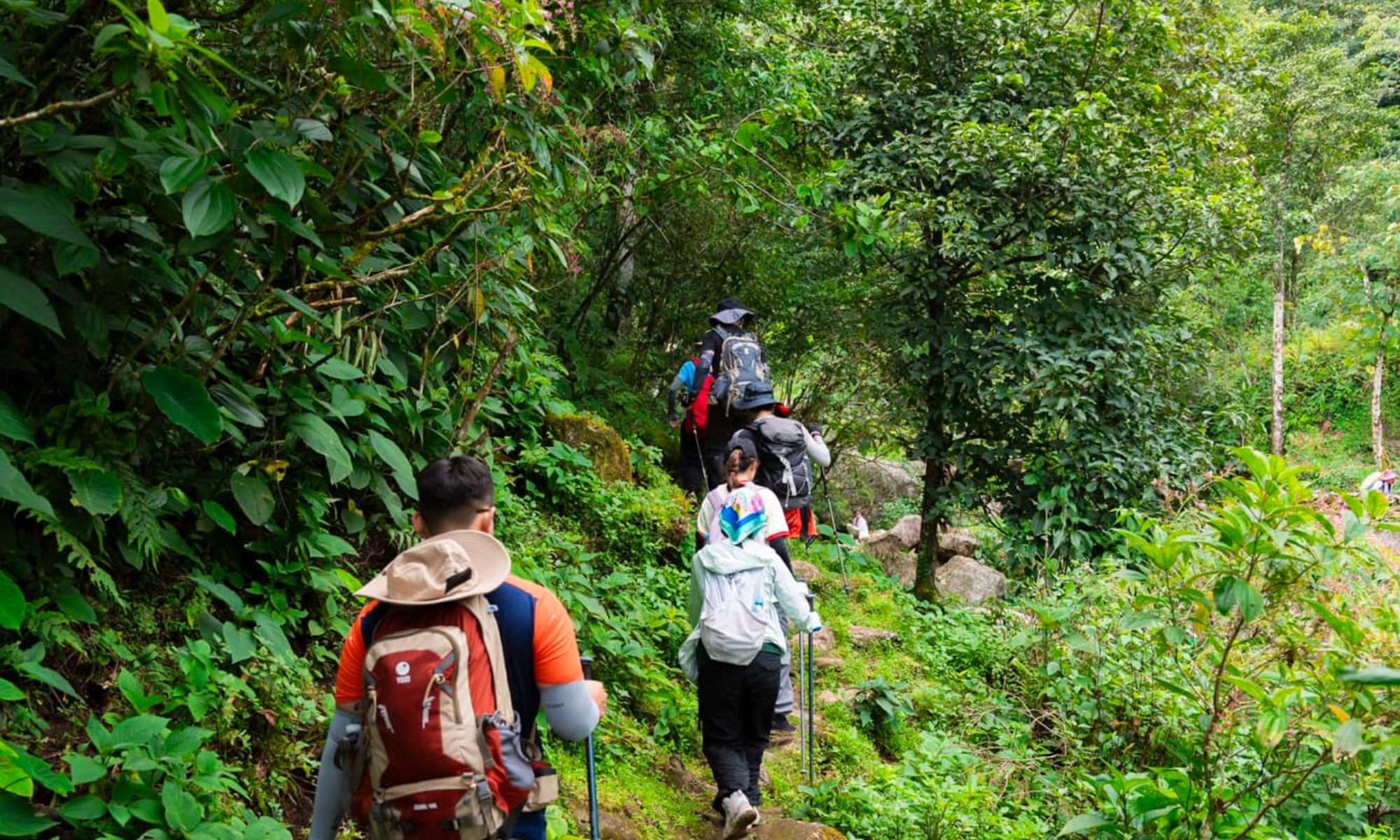
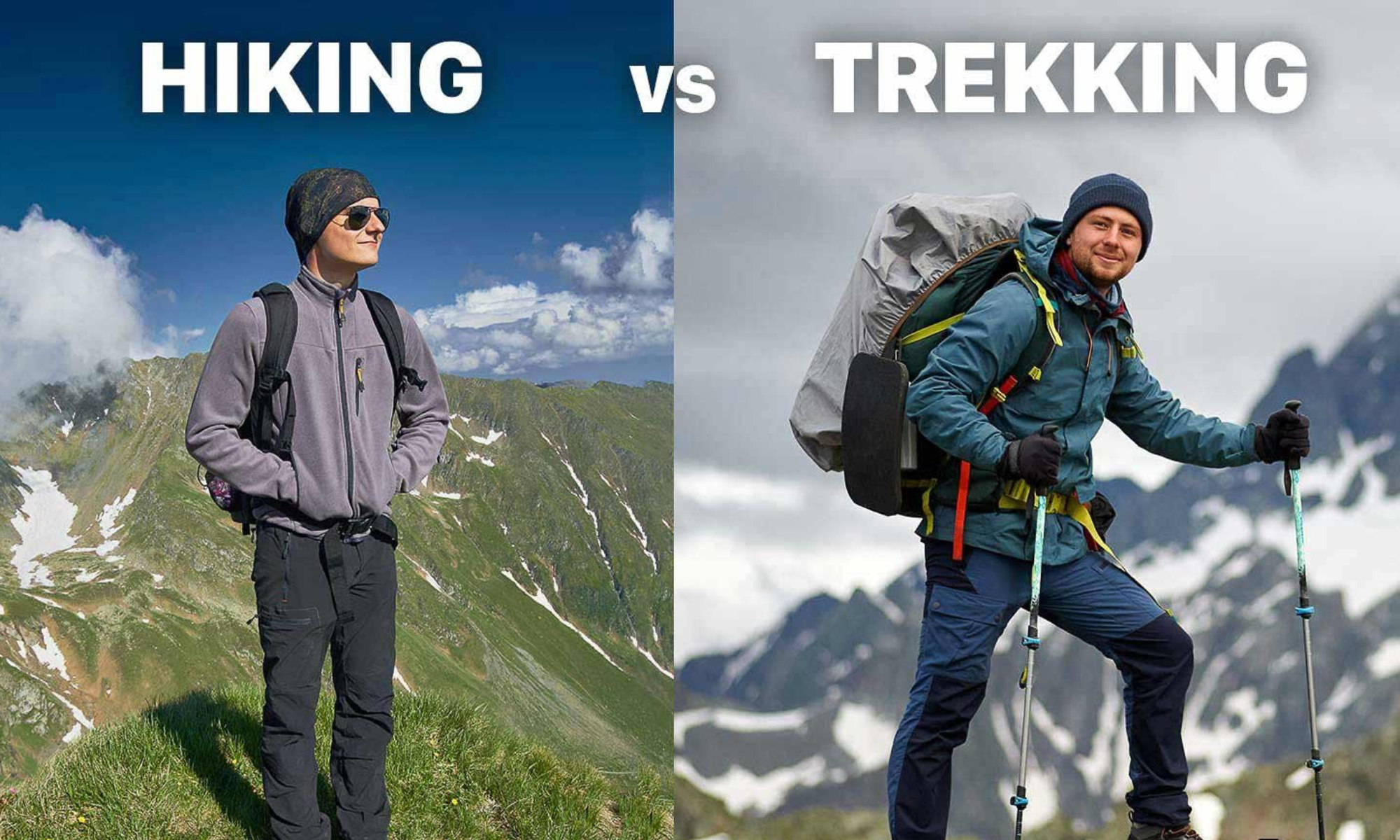
Ressentez-vous l’appel de la nature, ce désir de vous immerger dans des paysages sauvages, d’écouter le murmure des feuilles et de conquérir des panoramas à couper le souffle ? La randonnée et le trek sont deux portes d’entrée magnifiques vers ce monde, mais derrière ces deux noms se cachent deux philosophies de l’aventure radicalement différentes.
Beaucoup de voyageurs les confondent, mais la vérité est que choisir le mauvais type de parcours peut non seulement affecter votre expérience, mais aussi présenter des risques. Forts de notre expérience aux côtés de milliers de passionnés de voyage, les experts de Stories Travel sont là pour éclaircir ces concepts et vous aider à trouver l’itinéraire parfait pour votre prochaine aventure au Vietnam.
La Randonnée : Une journée de découverte
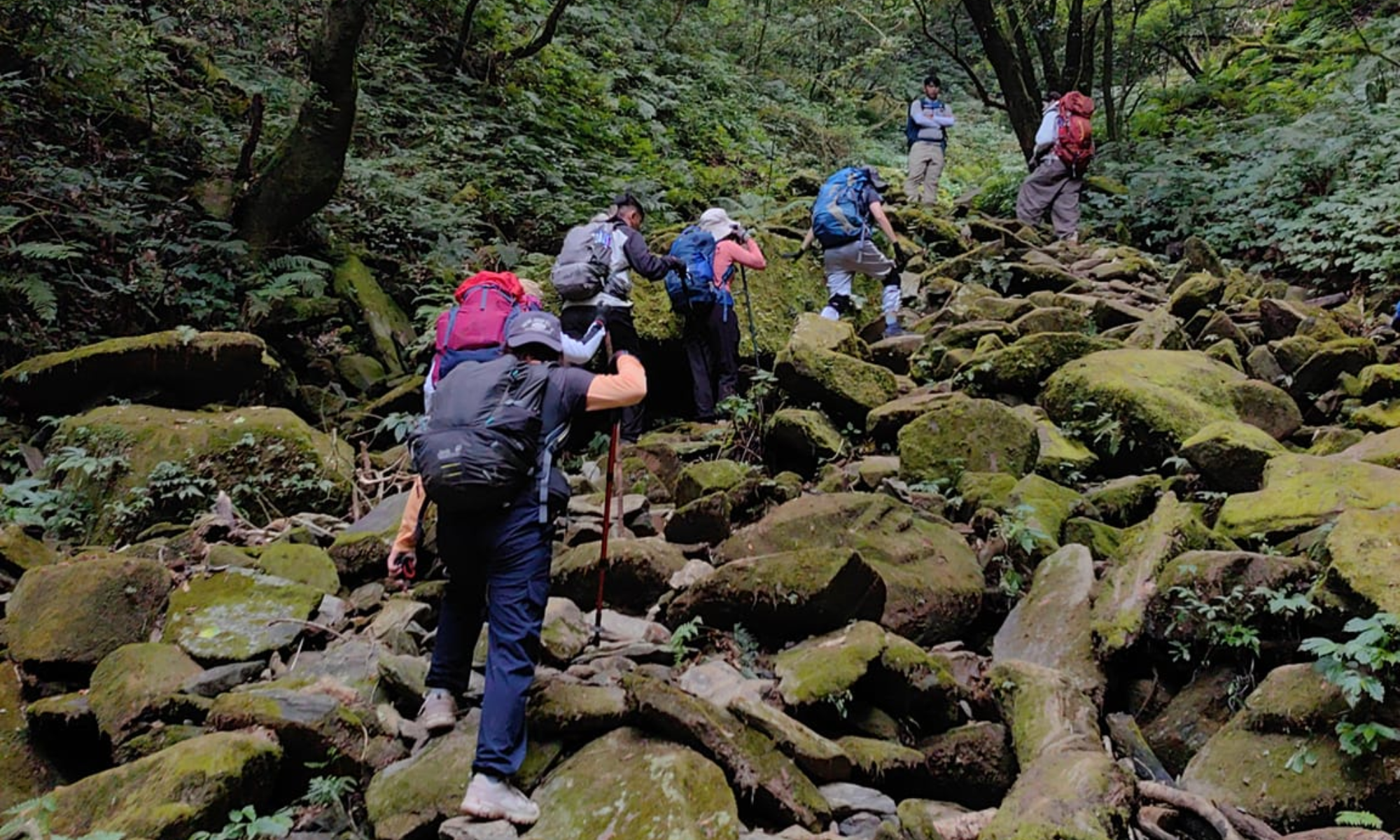
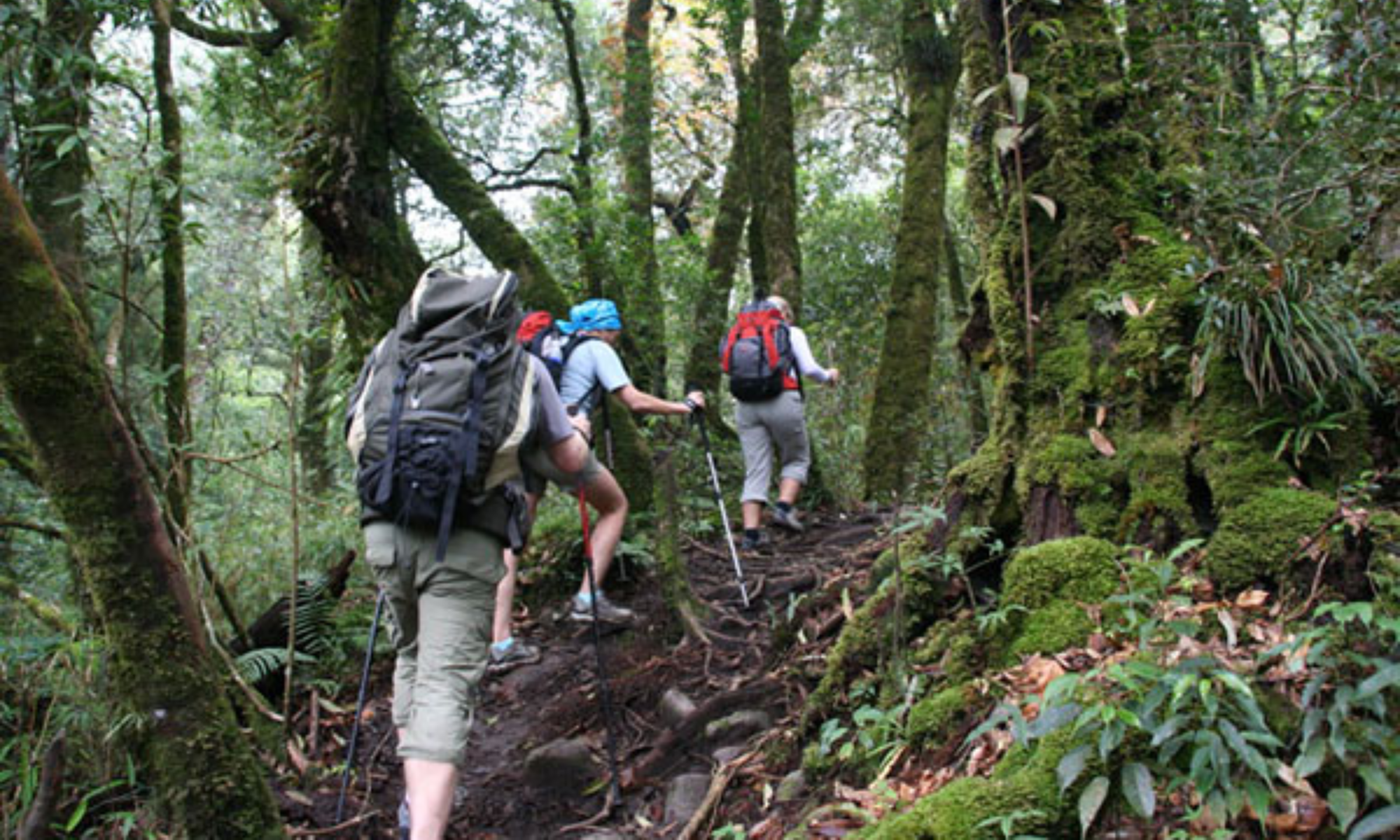
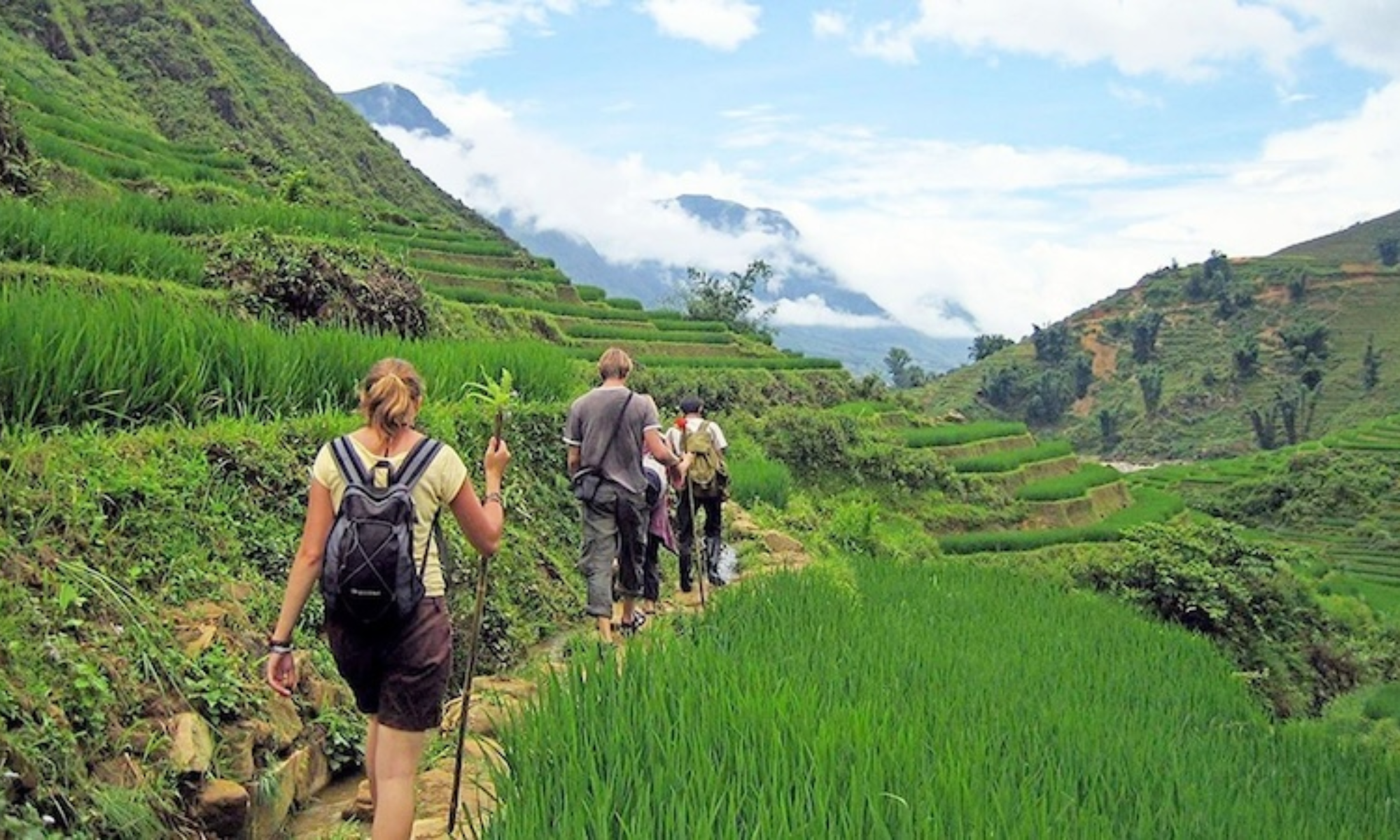
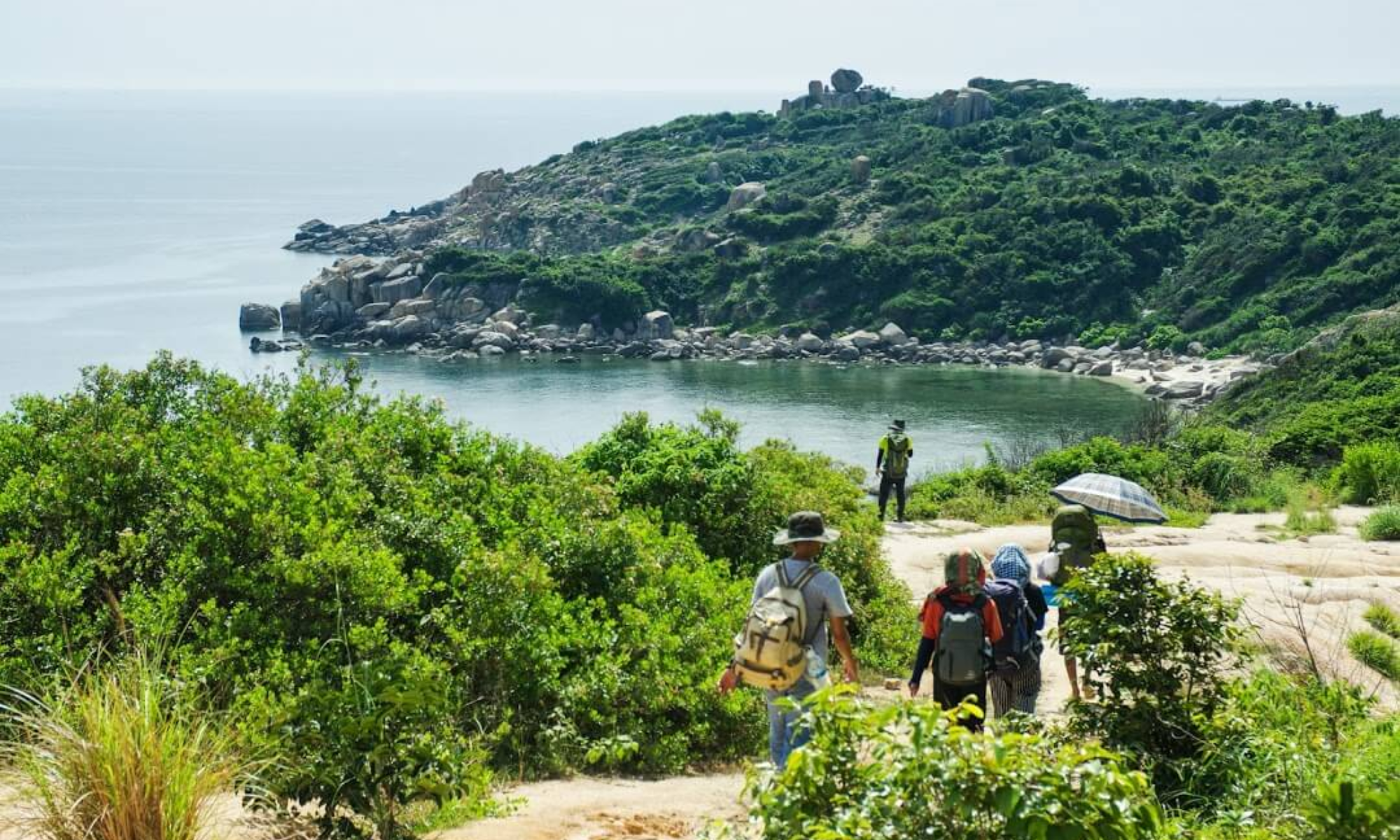
La randonnée est une marche de longue durée sur des sentiers déjà existants et souvent balisés, à travers des paysages naturels. L’excursion dure généralement une journée (de quelques heures à une journée complète). L’objectif est de profiter du paysage, de faire de l’exercice et de respirer l’air pur.
Imaginez-la comme une promenade enrichissante, une manière de se connecter à la beauté de la nature sans nécessiter de compétences de survie complexes.
Caractéristiques clés d’une randonnée :
Durée : De quelques heures à une journée complète (sans nuitée).
Sentiers : Des chemins clairs et bien définis.
Niveau physique : Une bonne condition physique générale suffit, pas de préparation spécifique requise.
Objectif : Détente, contemplation, activité de plein air pour le week-end.
Équipement essentiel pour une randonnée :
Chaussures : De bonnes chaussures de marche avec une semelle antidérapante.
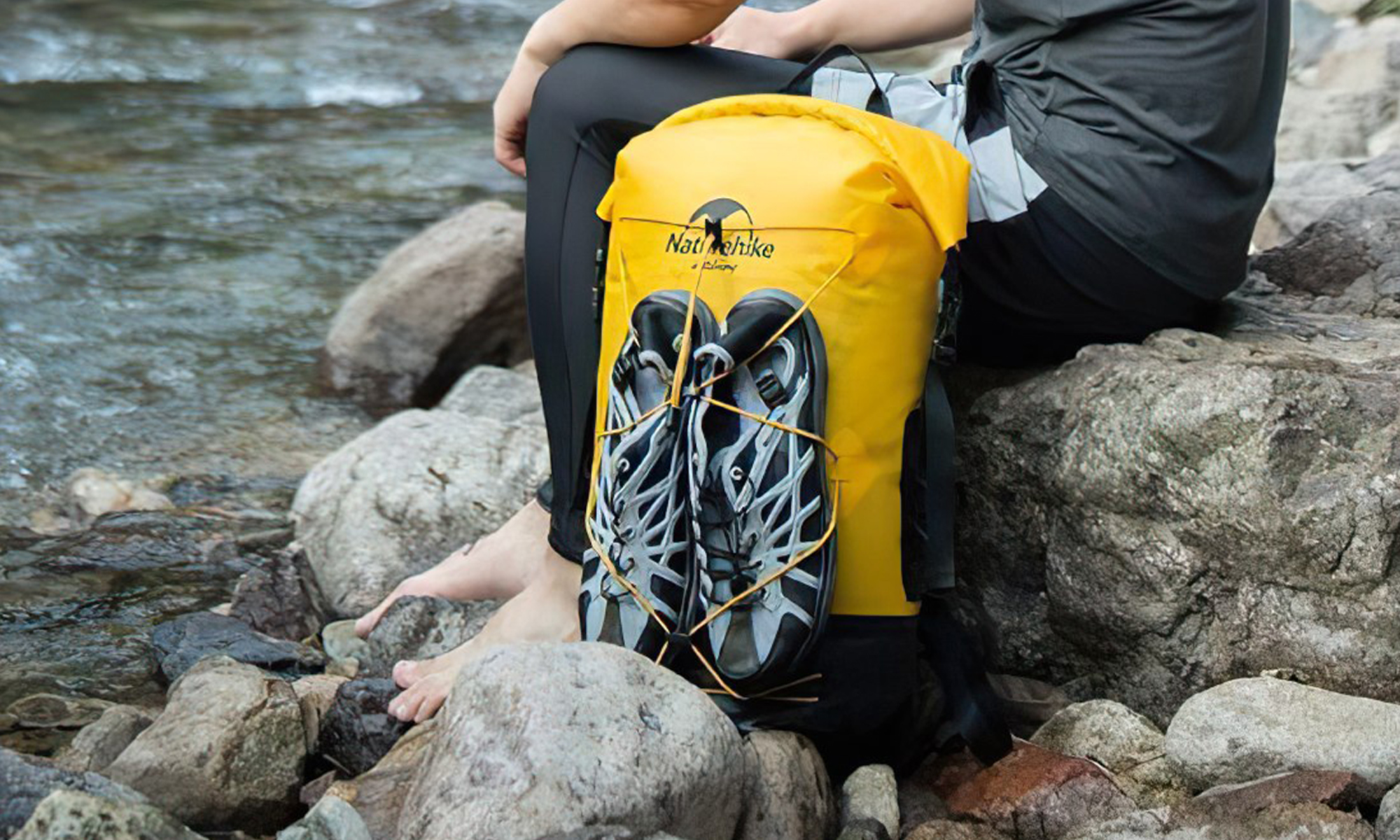
Sac à dos : Un petit sac à dos (10-20L) pour l’essentiel.
Nécessaire : De l’eau, des en-cas, une veste légère, de la crème solaire et une petite trousse de premiers secours.
Conseil de Stories Travel : Pour les débutants, les parcs nationaux comme Ba Vi (près de Hanoï) ou Cuc Phuong (Ninh Binh) sont des choix fantastiques.
Le Trek : Un voyage d’aventure sur plusieurs jours
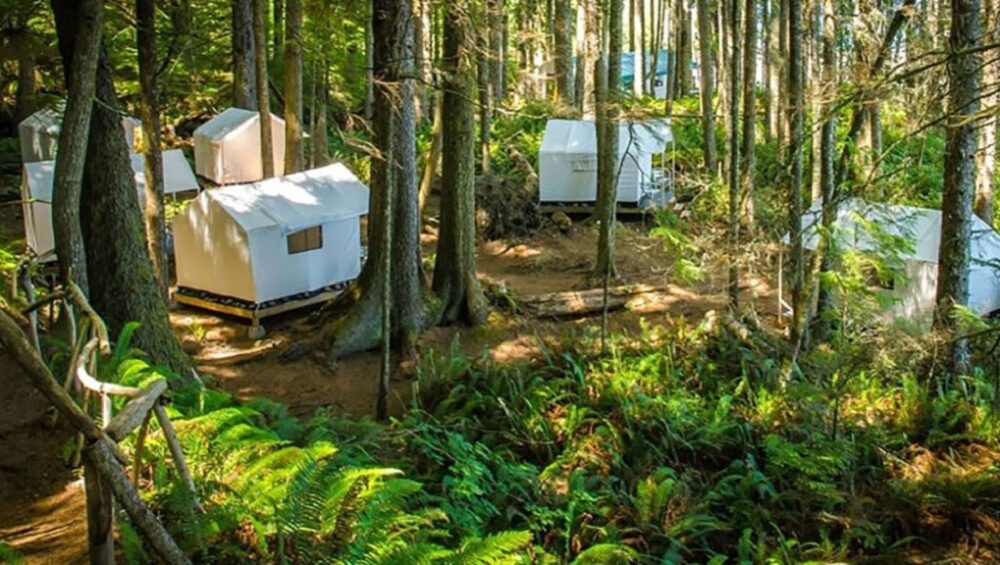
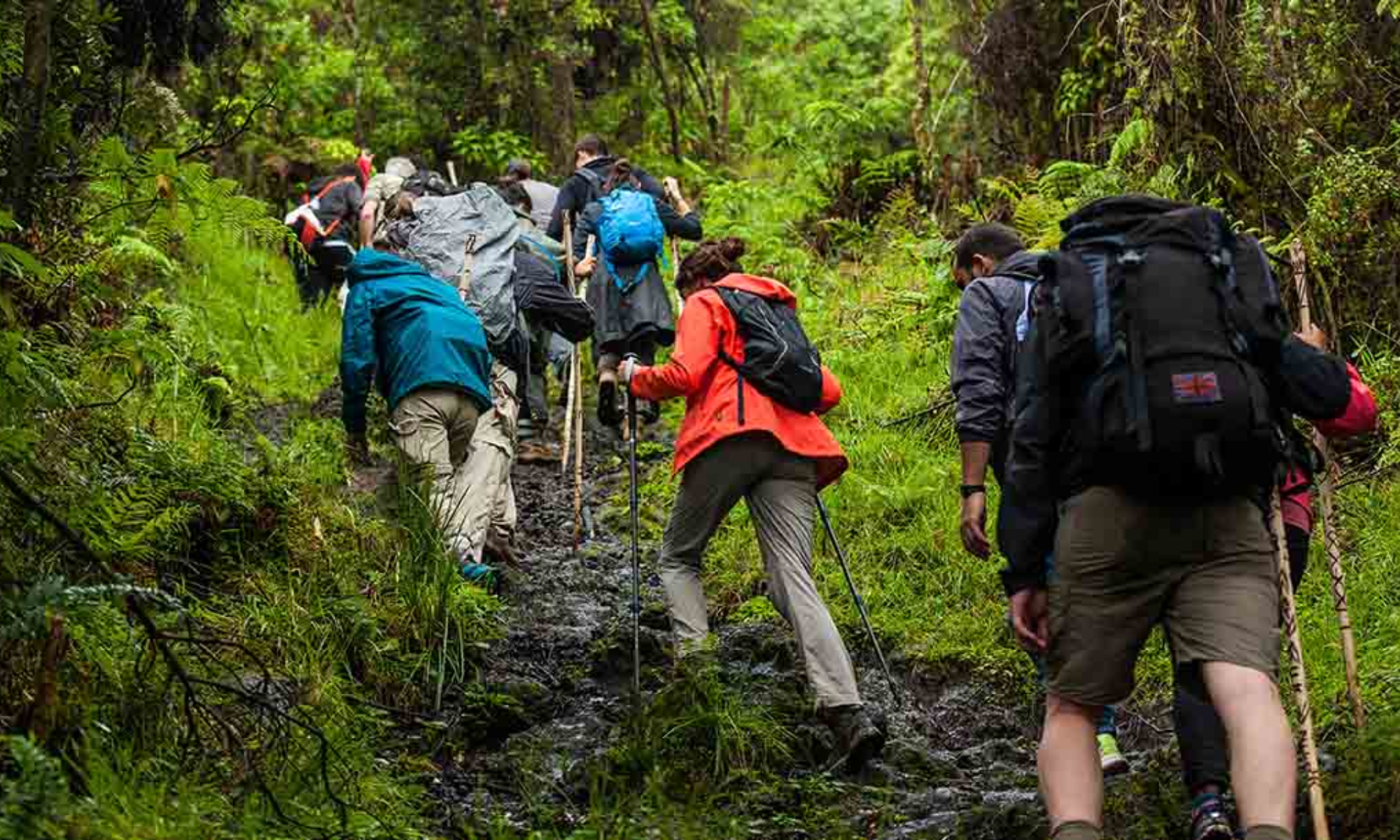
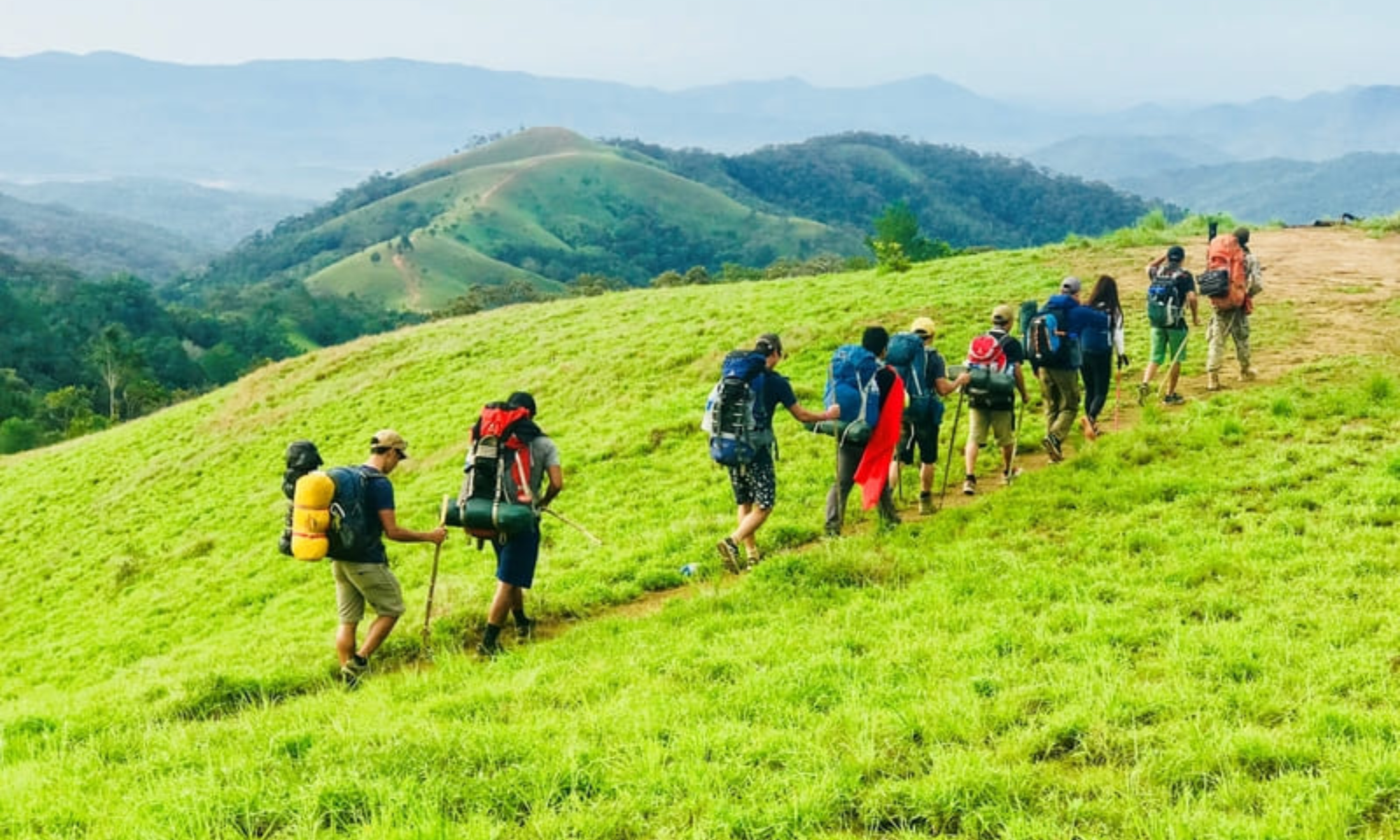
Le trek est une véritable aventure. C’est un voyage à pied de plusieurs jours, souvent à travers des régions reculées, des terrains accidentés et sauvages. Le trek n’est pas seulement un défi physique, c’est aussi une immersion culturelle profonde, impliquant souvent de camper en pleine nature ou de dormir chez l’habitant dans des villages locaux.
Il exige une préparation minutieuse, de l’endurance et un esprit prêt à affronter l’imprévu.
Caractéristiques clés d’un trek :
Durée : Minimum deux jours et une nuit, pouvant s’étendre sur une semaine ou plus.
Terrain : Sauvage, varié et potentiellement sans sentier clair.
Niveau physique : Exige une très bonne condition physique, de l’endurance et une préparation mentale.
Objectif : Conquête, dépassement de soi, exploration et immersion culturelle.
Équipement indispensable pour un trekkeur :
Chaussures : Des chaussures de trekking montantes pour protéger les chevilles.
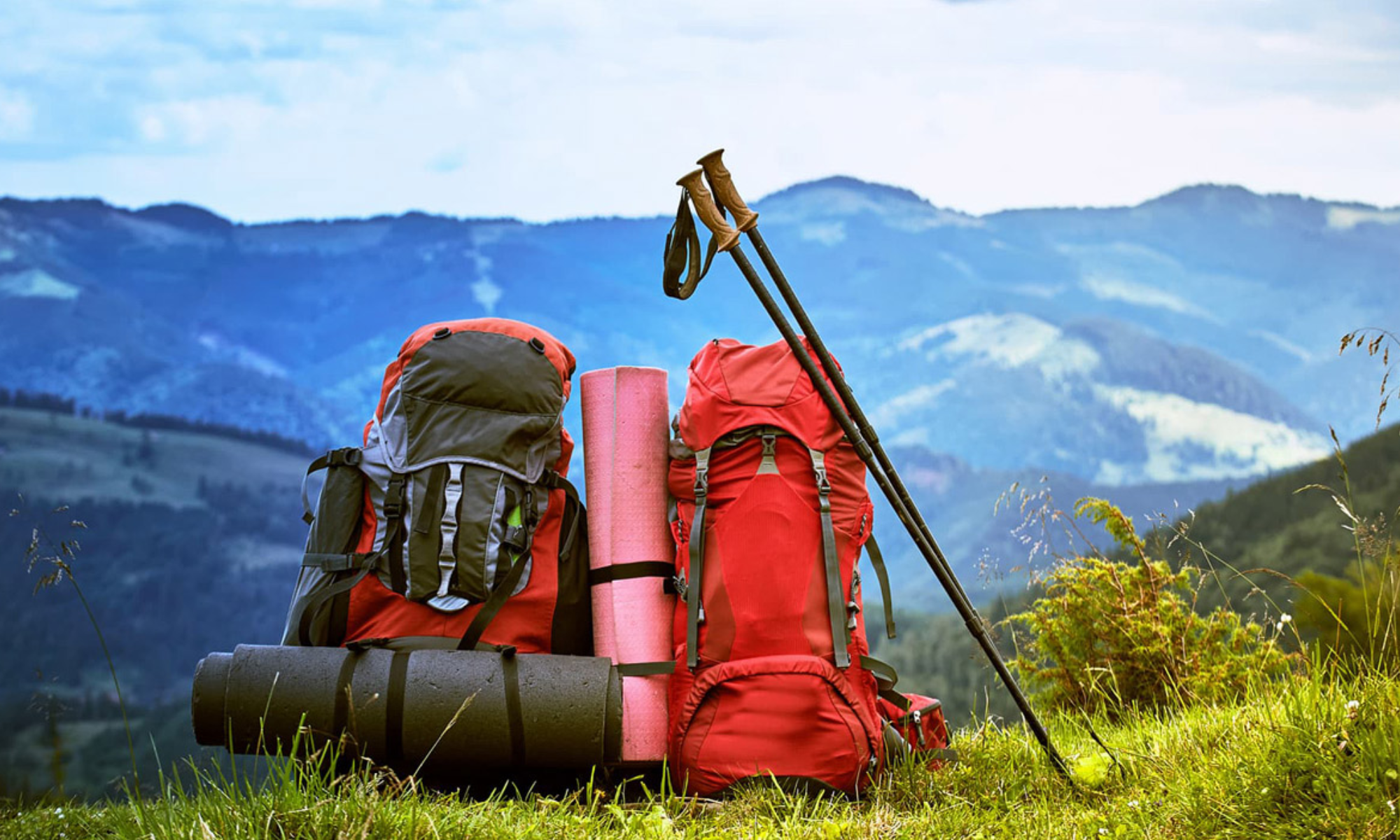
Sac à dos : Un sac de grande capacité (40L et plus) avec un bon maintien.
Matériel de camping : Tente, sac de couchage, lampe frontale, nécessaire de cuisine.
Nécessaire : Une trousse de premiers secours complète, des outils de navigation (carte, boussole, GPS), des vêtements techniques et de la nourriture pour plusieurs jours.
Conseil de Stories Travel : Le Vietnam est un paradis pour les trekkeurs, avec des itinéraires de légende comme l’ascension du Fansipan, le “toit de l’Indochine”, ou les explorations des hauts plateaux de Ha Giang.
Critère
Randonnée
Trek
Durée
Moins d’une journée
Minimum 2 jours / 1 nuit
Difficulté
Facile à Modérée
Modérée à Très Difficile
Terrain
Sentiers balisés, sécurisés
Sauvage, accidenté, varié
Équipement
Léger
Complet, professionnel
Hébergement
Retour à la maison
Camping, chez l’habitant
État d’esprit
Détente, loisir
Conquête, aventure
Le Quiz Rapide : Quel aventurier êtes-vous ?
Vous hésitez encore ? Regardez de quel côté vous répondez le plus souvent “Oui”.
Question
Option A (Randonnée)
Option B (Trek)
1. Votre escapade dure-t-elle plus de 3 jours ?
Non
Oui
2. Préférez-vous un lit confortable après une journée d’effort ?
Oui
Non, la tente me suffit !
3. Voyagez-vous avec de jeunes enfants ou des aînés ?
Oui
Non
4. Êtes-vous prêt(e) à marcher plus de 6 heures par jour ?
Non
Oui
5. Pour vous, l’aventure c’est découvrir un lieu magnifique, et le défi c’est pour la salle de sport ?
Oui
Non, l’aventure doit être un défi !
Si vos réponses sont majoritairement A, vous trouverez votre bonheur dans la randonnée. Si c’est B, vous êtes prêt(e) à relever le défi d’un trek !
Conseils d’expert de Stories Travel : La sécurité avant tout
Quel que soit votre choix, la préparation est la clé.
Vérifiez toujours la météo.
Partagez votre itinéraire avec un proche.
Ne partez pas seul(e) si vous manquez d’expérience.
C’est là que l’accompagnement d’une agence professionnelle comme Stories Travel fait toute la différence. Nous ne nous contentons pas de vous guider ; nous nous occupons de tout, en fournissant des guides locaux experts (Expertise), des porteurs, et en préparant tous les repas et hébergements. Avec notre support 24/7 (Confiance), notre service de chauffeur privé et une carte SIM 4G pour rester connecté, vous n’avez qu’à vous concentrer sur l’expérience et la création de votre propre histoire.
La randonnée est une joie ; le trek est une conquête. Ce sont deux manières profondes de se reconnecter à la nature et à soi-même. Comprendre la différence est le premier pas vers un voyage réussi, sécurisé et inoubliable.
Alors, avez-vous trouvé le chemin qui vous appelle ? Partagez-le avec Stories Travel, et laissez-nous vous accompagner sur chaque sentier du Vietnam !
Bạn có phải là người yêu thích cảm giác đắm mình giữa thiên nhiên, lắng nghe tiếng rì rào của lá cây và chinh phục những cảnh quan hùng vĩ? Hiking và trekking đều là những cánh cửa tuyệt vời mở ra thế giới đó, nhưng đằng sau hai cái tên này là hai triết lý phiêu lưu hoàn toàn khác biệt.
Nhiều người vẫn thường nhầm lẫn, coi chúng là một. Nhưng sự thật là, việc chọn sai loại hình không chỉ ảnh hưởng đến trải nghiệm mà còn có thể là một rủi ro. Với kinh nghiệm đồng hành cùng hàng ngàn tín đồ xê dịch, các chuyên gia của Stories Travel sẽ giúp bạn phân biệt rõ ràng hai khái niệm này và tìm ra lựa chọn hoàn hảo cho hành trình tiếp theo tại Việt Nam.
Hiking – Cuộc dạo chơi khám phá trong ngày
Hiking (đi bộ đường dài) là hoạt động di chuyển theo những con đường mòn đã có sẵn, xuyên qua các cảnh quan thiên nhiên như rừng, núi, hoặc ven biển. Trọng tâm của hiking là tận hưởng hành trình, rèn luyện sức khỏe và thư giãn tinh thần trong một khoảng thời gian ngắn, thường là đi và về trong ngày.
Nó giống như một cuộc dạo chơi được nâng cấp, nơi bạn hít thở không khí trong lành và thưởng ngoạn vẻ đẹp của tạo hóa mà không cần quá nhiều kỹ năng sinh tồn phức tạp.
Dấu hiệu nhận biết một chuyến hiking:
Thời gian: Kéo dài từ vài giờ đến dưới 1 ngày (không qua đêm).
Đường đi: Di chuyển trên các đường mòn rõ ràng, đã được khai phá.
Thể lực: Không yêu cầu thể lực chuyên biệt, phù hợp với hầu hết mọi người.
Giày: Giày đi bộ chuyên dụng (hiking shoes) có độ bám tốt.
Balo: Balo nhỏ gọn (10-20L) chỉ đủ chứa những vật dụng cần thiết.
Thiết yếu: Nước uống, đồ ăn nhẹ, áo khoác mỏng, kem chống nắng và một bộ sơ cứu nhỏ.
Gợi ý từ Stories Travel: Các cung đường hiking gần thành phố như Vườn quốc gia Ba Vì (Hà Nội), núi Dinh (Vũng Tàu), hoặc Vườn quốc gia Cúc Phương (Ninh Bình) là lựa chọn tuyệt vời cho người mới bắt đầu.
Trekking – Hành trình chinh phục và phiêu lưu đa ngày
Trekking là một cuộc phiêu lưu thực thụ. Đây là hoạt động đi bộ dài ngày (tối thiểu 2 ngày 1 đêm) qua những vùng đất xa xôi, địa hình hoang sơ và hiểm trở hơn nhiều so với hiking. Trekking không chỉ là một thử thách về thể chất mà còn là một hành trình khám phá văn hóa, khi bạn thường phải cắm trại qua đêm hoặc ngủ lại tại các bản làng của người dân địa phương.
Nó đòi hỏi sự chuẩn bị kỹ lưỡng, sức bền và một tinh thần sẵn sàng đối mặt với những điều bất ngờ.
Dấu hiệu nhận biết một chuyến trekking:
Thời gian: Kéo dài từ 2 ngày trở lên, có thể cả tuần hoặc lâu hơn.
Đường đi: Địa hình đa dạng, hoang dã, có thể không có đường mòn rõ rệt.
Thể lực: Yêu cầu thể lực tốt, sức bền và sự chuẩn bị kỹ lưỡng về tâm lý.
Mục tiêu: Chinh phục, thử thách giới hạn, khám phá và đắm mình vào văn hóa bản địa.
Trang bị không thể thiếu cho một trekker:
Giày: Giày trekking chuyên dụng, cổ cao để bảo vệ mắt cá chân.
Balo: Balo trợ lực có dung tích lớn (từ 40L trở lên).
Thiết yếu: Bộ sơ cứu đầy đủ, dụng cụ định vị (bản đồ, la bàn, GPS), quần áo chuyên dụng và thực phẩm đủ cho nhiều ngày.
Gợi ý từ Stories Travel: Việt Nam là thiên đường của trekking với các cung đường huyền thoại như nóc nhà Đông Dương Fansipan, Tà Năng – Phan Dũng, hay các hành trình khám phá vùng cao Hà Giang.
Tiêu chí
Hiking
Trekking
Thời gian
Dưới 1 ngày
Tối thiểu 2 ngày 1 đêm
Độ khó
Dễ – Trung bình
Trung bình – Rất khó
Địa hình
Đường mòn có sẵn, an toàn
Hoang sơ, hiểm trở, đa dạng
Trang bị
Gọn nhẹ
Đầy đủ, chuyên nghiệp
Nơi ở
Về nhà trong ngày
Cắm trại, nhà dân (homestay)
Tâm thế
Dạo chơi, thư giãn
Chinh phục, phiêu lưu
Bạn sinh ra để Hiking hay Trekking?
Chưa chắc chắn? Hãy xem bạn trả lời “Có” cho bên nào nhiều hơn nhé.
Câu hỏi
Lựa chọn A (Hiking)
Lựa chọn B (Trekking)
1. Kỳ nghỉ của bạn có dài hơn 3 ngày không?
Không
Có
2. Bạn thích ngủ trong một chiếc giường êm ái sau một ngày vận động?
Có
Không, lều trại là nhà!
3. Bạn đi cùng gia đình có trẻ nhỏ hoặc người lớn tuổi?
Có
Không
4. Bạn có sẵn sàng đi bộ hơn 6 tiếng mỗi ngày?
Không
Có
5. “Phiêu lưu” với bạn là khám phá một nơi đẹp, còn “thử thách” là việc của gym?
Có
Không, phiêu lưu phải có thử thách
Nếu câu trả lời của bạn chủ yếu là A, những chuyến hiking sẽ là lựa chọn hoàn hảo. Nếu chủ yếu là B, bạn đã sẵn sàng cho một chuyến trekking đầy thử thách rồi đấy!
Lời khuyên từ chuyên gia Stories Travel
Dù bạn chọn hiking hay trekking, sự chuẩn bị luôn là chìa khóa.
Luôn kiểm tra thời tiết: Đừng bao giờ chủ quan với thiên nhiên.
Thông báo lịch trình: Hãy cho ít nhất một người thân biết về kế hoạch, cung đường và thời gian dự kiến trở về của bạn.
Đừng đi một mình (nếu chưa có kinh nghiệm): Tham gia một nhóm hoặc thuê một hướng dẫn viên địa phương là cách an toàn nhất.
Nếu bạn còn bỡ ngỡ, đồng hành cùng một đơn vị chuyên nghiệp như Stories Travel sẽ giúp bạn gạt đi mọi lo lắng. Chúng tôi không chỉ cung cấp hướng dẫn viên (porter) am hiểu địa hình, mà còn chuẩn bị sẵn sàng mọi thứ từ bữa ăn, nơi ngủ, đến các dịch vụ hỗ trợ 24/7 và xe riêng đưa đón tiện nghi. Với chúng tôi, bạn chỉ cần tập trung vào việc tận hưởng và tạo ra câu chuyện của riêng mình.
Hiking là niềm vui, trekking là sự chinh phục. Cả hai đều là những cách tuyệt vời để kết nối lại với thiên nhiên và chính bản thân. Hiểu rõ sự khác biệt sẽ giúp bạn có một chuyến đi trọn vẹn và đáng nhớ. Bạn đã tìm ra con đường dành cho mình chưa? Hãy chia sẻ với Stories Travel và để chúng tôi đồng hành cùng bạn trên mọi nẻo đường Việt Nam!
What is Trekking? Trekking is a type of exploratory travel where participants undertake long walks through natural terrains such as forests, mountains, or wilderness areas. Unlike other forms of travel, trekking often involves navigating new paths with challenging terrains, facing the unpredictability of weather and the environment.
Trekking and hiking are both forms of long-distance walking tourism, but they differ in their characteristics and requirements. While hiking is often suited for short journeys with easier terrain, trekking is a true adventure that involves traveling through rugged and wild routes. It requires participants to have skills, physical endurance, and thorough preparation.
Particularly when organizing a trekking trip, the organizer must have extensive expertise, carry essential equipment to ensure safety, and provide a memorable experience for the group. This article will help you understand more about trekking, how it differs from hiking, and what you need to prepare to conquer your journey fully.
1. What is Trekking?
Trekking means engaging in long-distance walking over multiple days. It is a form of outdoor adventure tourism that allows participants to explore unspoiled nature while challenging themselves over extended journeys. Trekking relies entirely on walking throughout long distances, requiring trekkers to prepare meticulously and have strong stamina. Trekkers must carry their own gear and venture into forests, mountains, remote villages, rugged terrains, and national parks, or pristine forests that are less known to the public.
This type of travel is not just for sightseeing and discovering new lands; it also emphasizes exploration, mountain climbing, and adventure. Trekking destinations are often wild, natural, and challenging, such as Sapa, Pù Luông, Tà Năng, Bidoup, Cát Bà Island, and Tả Liên Sơn.
Trekkers are people who embark on trekking journeys. Professional trekkers are often knowledgeable about navigating challenging terrains, survival skills, have good stamina, and love exploration and adventure. They seek to conquer new destinations with various challenges.
1.1. Challenges of Trekking
Since trekking involves long journeys, it may require passing through villages and mountainous terrains while carrying heavy gear over long distances. Trekkers also face challenges such as:
Terrain: Rugged, uneven, and complex paths.
Weather: Unpredictable weather and temperatures.
Health: Physical endurance and fitness are essential.
Wilderness: Facing wildlife and other natural challenges.
However, trekkers gain invaluable experiences, such as connecting with nature, breathing fresh air, witnessing breathtaking landscapes, and utilizing survival instincts in the wilderness. Most importantly, they experience a unique sense of accomplishment after overcoming challenges to conquer a mountain peak or trail.
1.2. Types of Trekking
You can choose to trek alone, with friends, in a group, or with tours organized by travel companies. Trekking durations can range from a few days to 1-2 weeks, or even 1-2 months. For those aiming to conquer remote peaks across Vietnam, Southeast Asia, or Asia, trekking offers a deeply immersive adventure.
2. What is Hiking?
Hiking is an activity involving long walks on relatively simple trails with flat terrain and less complexity over a short period. Hiking typically involves exploring the natural beauty of mountains, national parks, famous landmarks, and scenic destinations.
Compared to trekking, hiking paths are usually well-trodden and less risky. Researchers highlight the numerous benefits of hiking for human health, including weight loss, improved physical fitness, enhanced mental well-being, relaxation, and stress reduction. Moreover, it provides an opportunity to connect with and discover nature.
3. How to Distinguish Trekking from Hiking
Trekking and hiking are both popular outdoor activities, but they are often confused due to their similarities. However, there are distinct differences between the two that can help you tell them apart:
Both trekking and hiking involve long-distance walking. With just a few basic items such as a durable backpack, water, food, specialized footwear, and good health, you can complete these journeys. However, there are clear differences between the two types of travel.
3.1 Terrain
The terrain for trekking is more complex and challenging than that of hiking. Hiking typically involves walking on relatively flat terrain, well-trodden trails, paved roads, or paths with frequent human traffic. In contrast, trekking takes you across diverse terrains, often combining walking and climbing. Trekkers are drawn to high mountain ranges, rugged forest trails, and unspoiled wilderness.
In terms of safety, hiking has the advantage. Trekking often leads you to remote and wild areas, which, while beautiful, also carry greater risks due to their isolation.
3.2 Preparation
For hiking, you only need basic personal items for the journey, such as suitable clothing and shoes, a backpack, water, food, medicines, and survival tools like a compass, knife, lighter, or flashlight.
Trekking requires additional preparations, including camping equipment such as tents and sleeping bags, survival kits, first aid supplies, GPS devices, maps, and appropriate clothing for temperature changes (especially when trekking through forests).
3.3 Skills
Trekking involves traversing diverse and sometimes hazardous terrains. To ensure a safe and successful trip, you need to have basic survival knowledge and skills to handle unexpected situations. These skills include first aid, navigation, finding routes, avoiding dangerous wildlife, and survival instincts in case you get lost.
4. What to Prepare for Safe Trekking
While trekking is an activity that is accessible to many, ensuring a safe and smooth journey requires good health, knowledge, experience, and proper equipment. Preparing thoroughly can make your trekking adventure a fulfilling and memorable experience.
4.1 Clothing for Trekking
The choice of clothing for trekking depends on the terrain, weather, and humidity of your destination. For example:
A well-fitted hat or cap to protect against sun and rain.
Stretchy, breathable, sweat-absorbing, and quick-drying clothes for easy movement. For cold-weather destinations, choose lightweight, waterproof, and heat-retaining garments.
Gloves for climbing.
Non-slip socks.
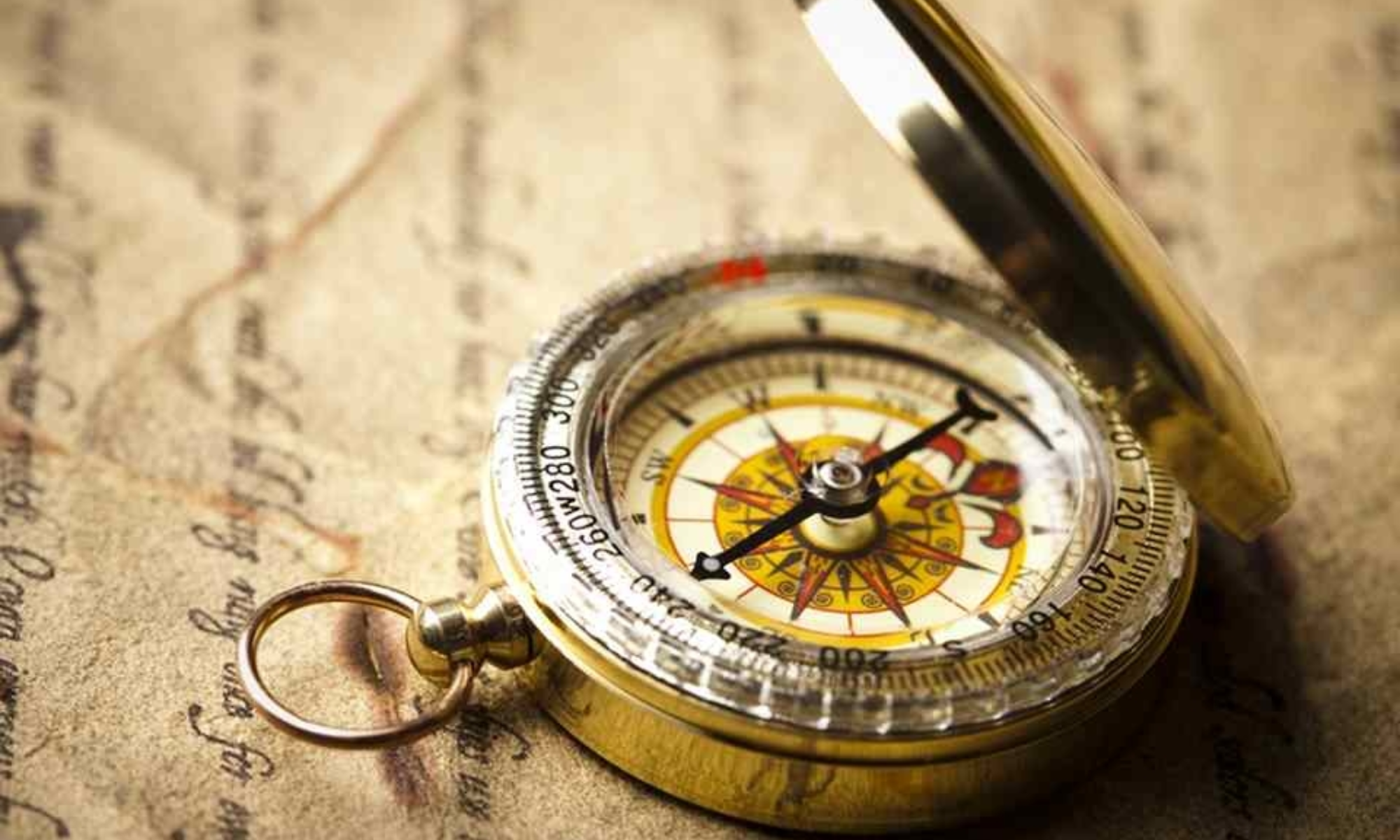
4.2 Compass and Map
Getting lost is a real possibility during trekking, so a compass and map are essential tools to help you find your way and stay oriented.
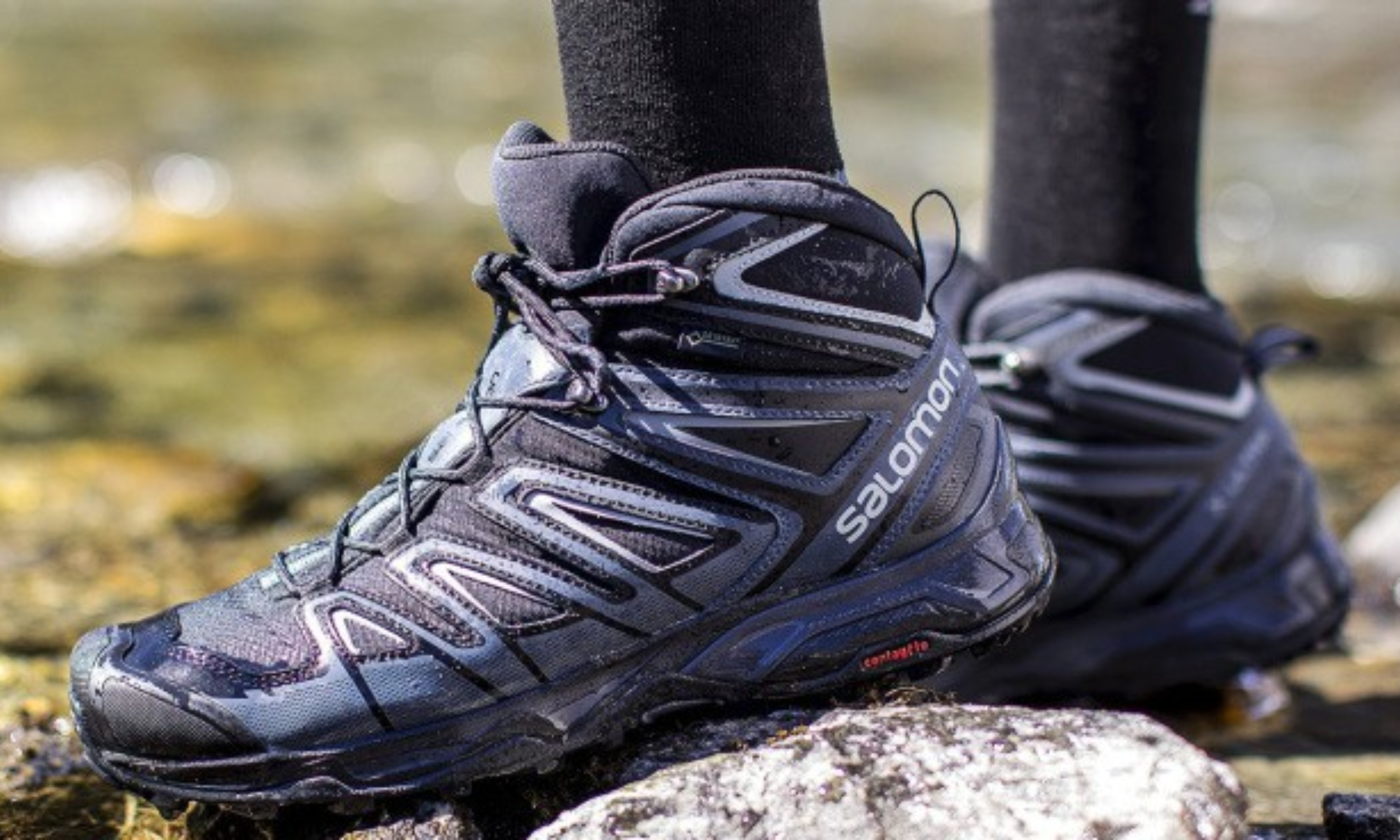
4.3 Hiking Boots
Unlike casual walking or standard travel, trekking often involves climbing and navigating difficult terrains. Trekking boots should have rubber soles with strong treads for grip, waterproof fabric, and a snug fit to ensure comfort and safety.
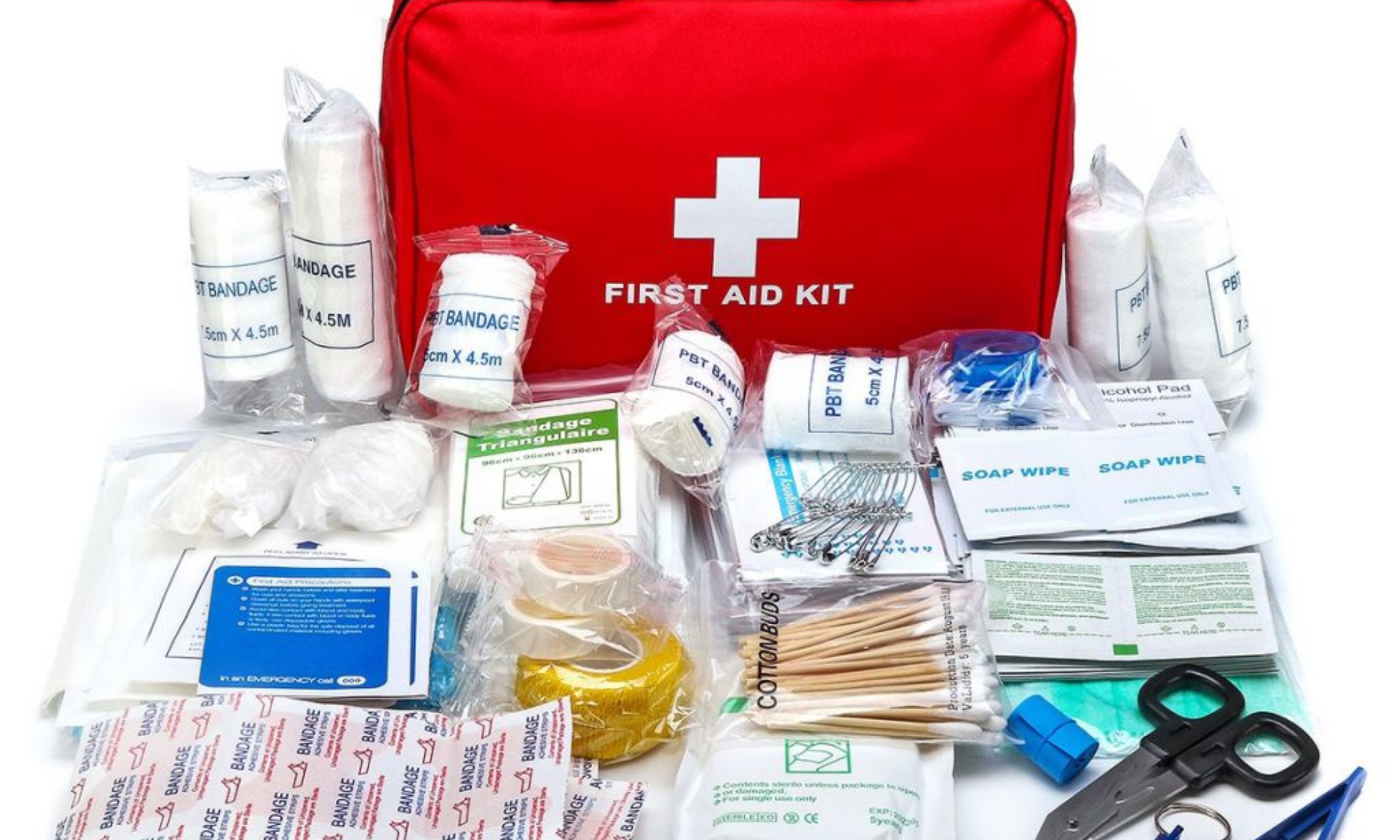
4.4 Medical Supplies
Carrying a personal medical kit is crucial for trekking. In rugged terrains like Tà Giang or Vietnam’s easternmost regions, you might encounter risks such as scratches, insect bites, or falls.
To manage minor injuries and prevent more serious health issues, pack essentials like bandages, antiseptic, insect repellent, and basic medications. Preparing well not only safeguards you but also helps your group members when needed. Don’t let unforeseen mishaps ruin your adventure!
4.5 Utility Knife
A small utility knife can be highly beneficial. It can be used for self-defense, peeling fruit, cutting food, marking paths, and more. Choose a knife that is compact, sturdy, durable, and sharp.
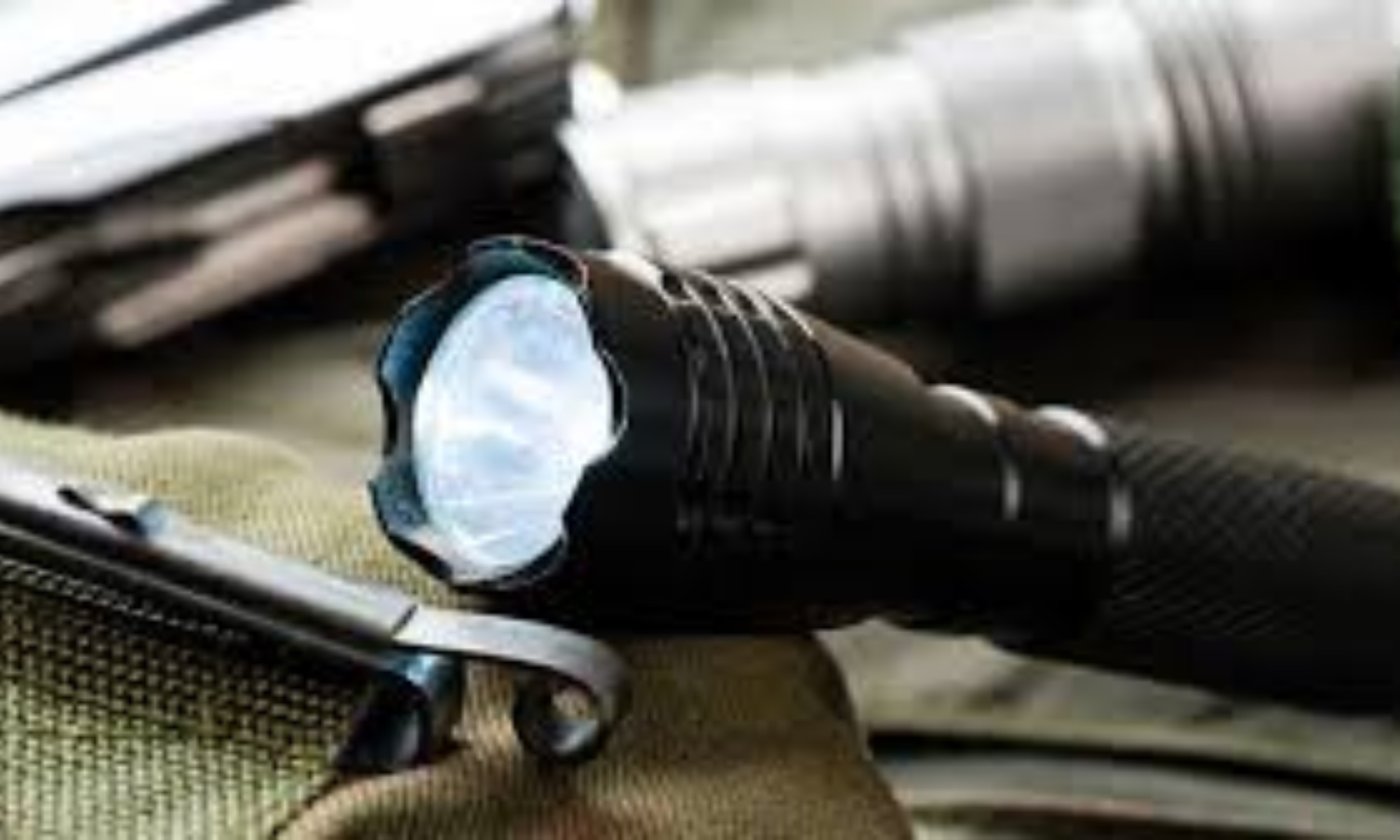
4.6 High-Intensity Flashlight
Like a utility knife, a flashlight is an essential item for trekking. It helps you see the path, find items in your backpack, navigate in low-light conditions, and signal for help. A good trekking flashlight should have strong brightness, long battery life, a compact size, and easy operation.
Some models, such as the Klarus G15 or Fenix E35 V3, available at Shadow Vietnam, are compact yet highly luminous, making them indispensable for a safe and complete trekking trip.
4.7 Outdoor Backpack
For long trekking trips, you need a spacious, multifunctional backpack with a load-bearing belt to reduce the strain while traveling. A trekking-specific backpack should be waterproof, lightweight yet durable, intelligently designed with large and small compartments, utility hooks, and enough capacity to carry 10–20 kg of gear.
4.8 Other Important Knowledge
When trekking, it’s essential to know certain survival skills and problem-solving techniques:
Choose a route that matches your abilities.
Manage your stamina throughout the journey to minimize injuries.
Develop a love for adventure and exploration while maintaining a strong, determined mindset.
Learn to read and determine locations and paths using a map.
Know how to navigate with a compass.
Estimate time based on the position of the sun.
Find clean water sources and food.
Identify edible plants or fruits from the forest.
Signal for help effectively to draw attention from afar.
Provide first aid for injuries like scratches, bee stings, or insect bites.
Locate shelters to avoid wild animals.
Assess shallow and deep waters to cross safely.
5. Things to Note When Trekking
Before embarking on this exciting form of adventure travel, keep the following in mind to ensure a safe and smooth trip, allowing you to enjoy a perfect experience:
Pack essential and practical items, avoiding unnecessary, heavy belongings that may hinder long-distance movement.
Be aware of your physical condition. Trekking requires good stamina and endurance as the journey involves walking long distances and climbing challenging terrains. Those with underlying health issues (e.g., heart, respiratory conditions), limited mobility, pregnant women, young children, or the elderly should opt for lighter activities like camping or hiking.
Choose a route that matches your abilities to ensure you can complete it comfortably. Alternatively, select a path based on personal interests, such as wading through streams, climbing hills, or exploring rugged, rocky trails for a more adventurous experience.
Understand the local weather to prepare suitable clothing and gear for temperature, humidity, rainfall, or storm risks.
Respect nature and the local community. Ensure you leave no negative impact on the environment or local habitat before departing. Avoid actions such as littering, graffiti on rocks or trees, using explosives to hunt wildlife, or damaging plants.
6. Top 5 Ideal Trekking Destinations with Stunning Scenery in Vietnam
If you’re looking for trekking locations for your upcoming vacation or nature exploration plans, here are five beloved destinations in Vietnam to conquer and discover:
6.1 Sapa
Sapa is a renowned tourist destination both domestically and internationally. It’s an ideal spot for trekking groups seeking adventurous and fascinating exploration. You can choose trekking routes like Cát Cát – Y Linh Hồ Hill, Lao Chải – Tả Van Hill, Fansipan Peak, Tả Phìn, Silver Falls, or Mường Hoa Valley. Immerse yourself in the pristine beauty of the Northwestern mountains, admire terraced rice fields stretching to the horizon, picturesque waterfalls, and experience the unique, simple lifestyle of the local ethnic communities.
6.2 Tà Năng
Tà Năng in Lâm Đồng is another favorite among trekkers. Along its 50 km of trails and forest paths, you’ll encounter breathtaking scenery and immerse yourself in majestic nature, with challenging terrains to test your limits.
Trekking in Tà Năng allows you to cross three provinces: Lâm Đồng, Bình Thuận, and Ninh Thuận. The best times to visit are after the rainy season when the greenery is lush or during the dry season when the vast forest turns golden brown.
6.3 Easternmost Point
The Easternmost Point of Vietnam, located in Khánh Hòa province, is where the first sunlight of the day touches the mainland. It’s a popular choice for trekkers who love coastal trekking combined with rock climbing.
However, due to its hot and dry climate, trekking here may not be as comfortable as forest or mountain treks, making it a less appealing choice for inexperienced trekkers.
6.4 Langbiang
Langbiang, the highest peak in Đà Lạt, Lâm Đồng, is a favorite destination for trekkers seeking adventure and challenges.
A Langbiang trek offers stunning natural beauty, a bird’s-eye view of the misty city of Đà Lạt, and opportunities for camping, watching the sunrise, and enjoying a bonfire—making for an incredible experience.
6.5 Pù Luông
Pù Luông, located in northwestern Thanh Hóa province, boasts a 1,700-meter-high peak and captivating landscapes such as flower valleys, expansive terraced rice fields cultivated by the Thai ethnic community, and lush green forests in the Pù Luông National Nature Reserve. These features make it a highly-rated trekking destination for many adventurers.
7. Activities to Enjoy During Trekking and Hiking
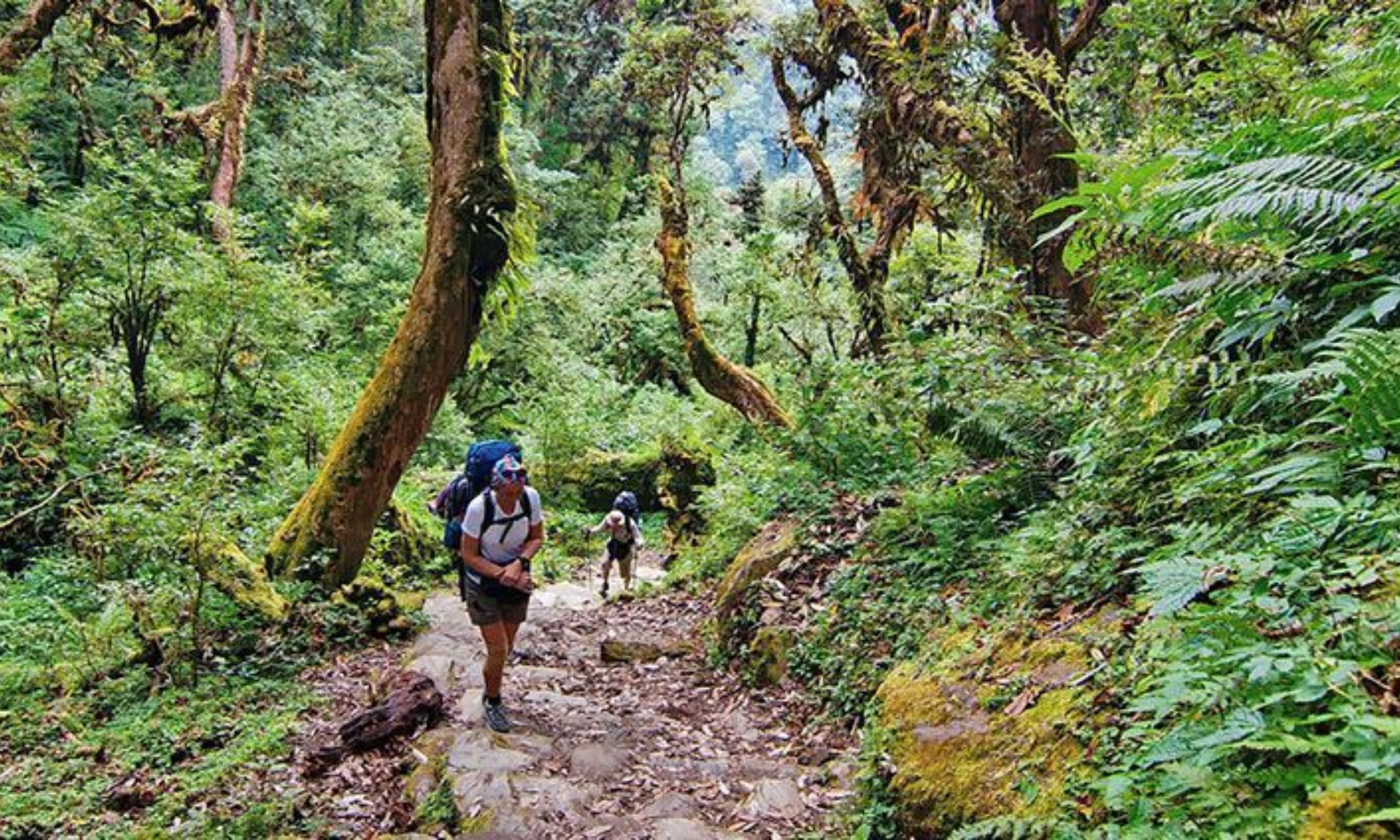
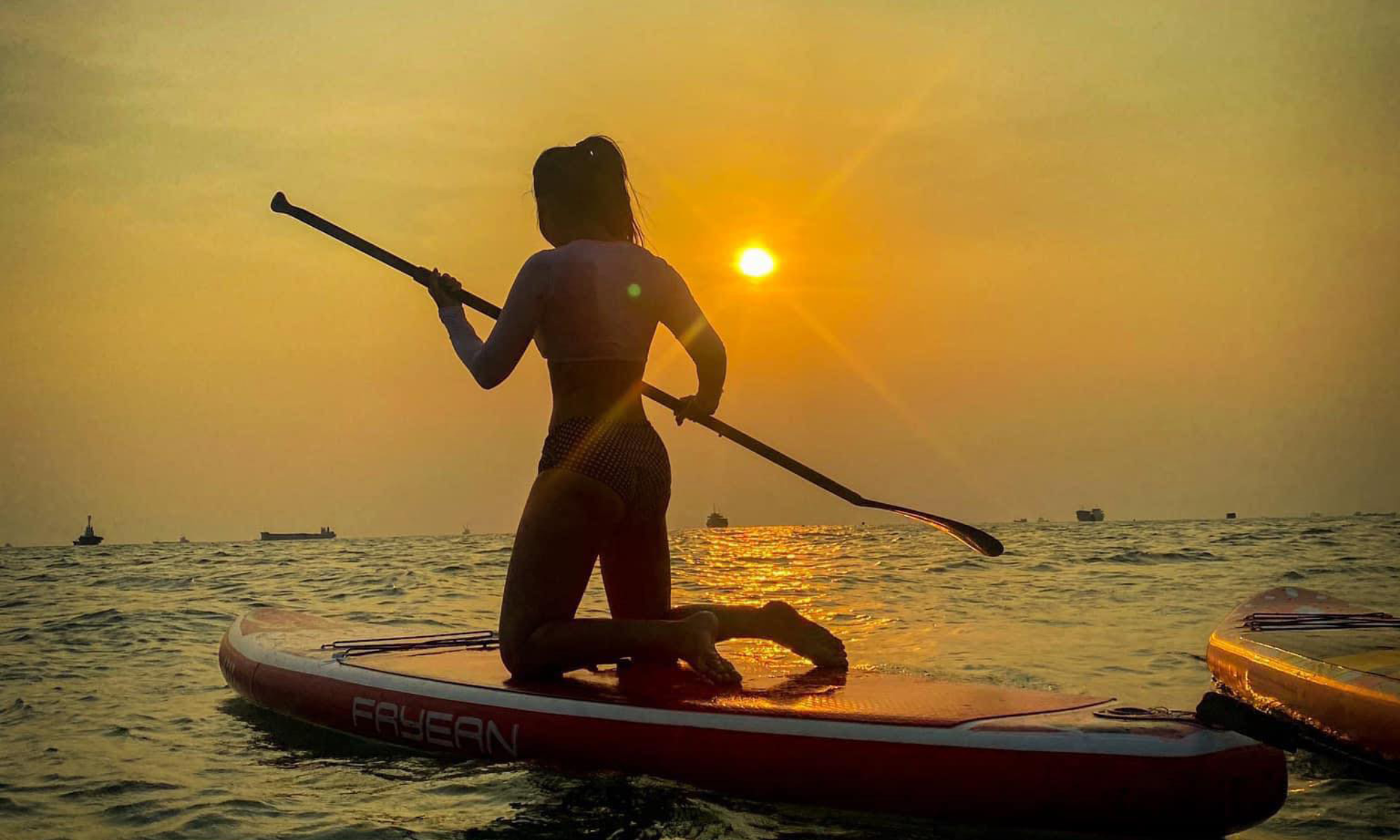
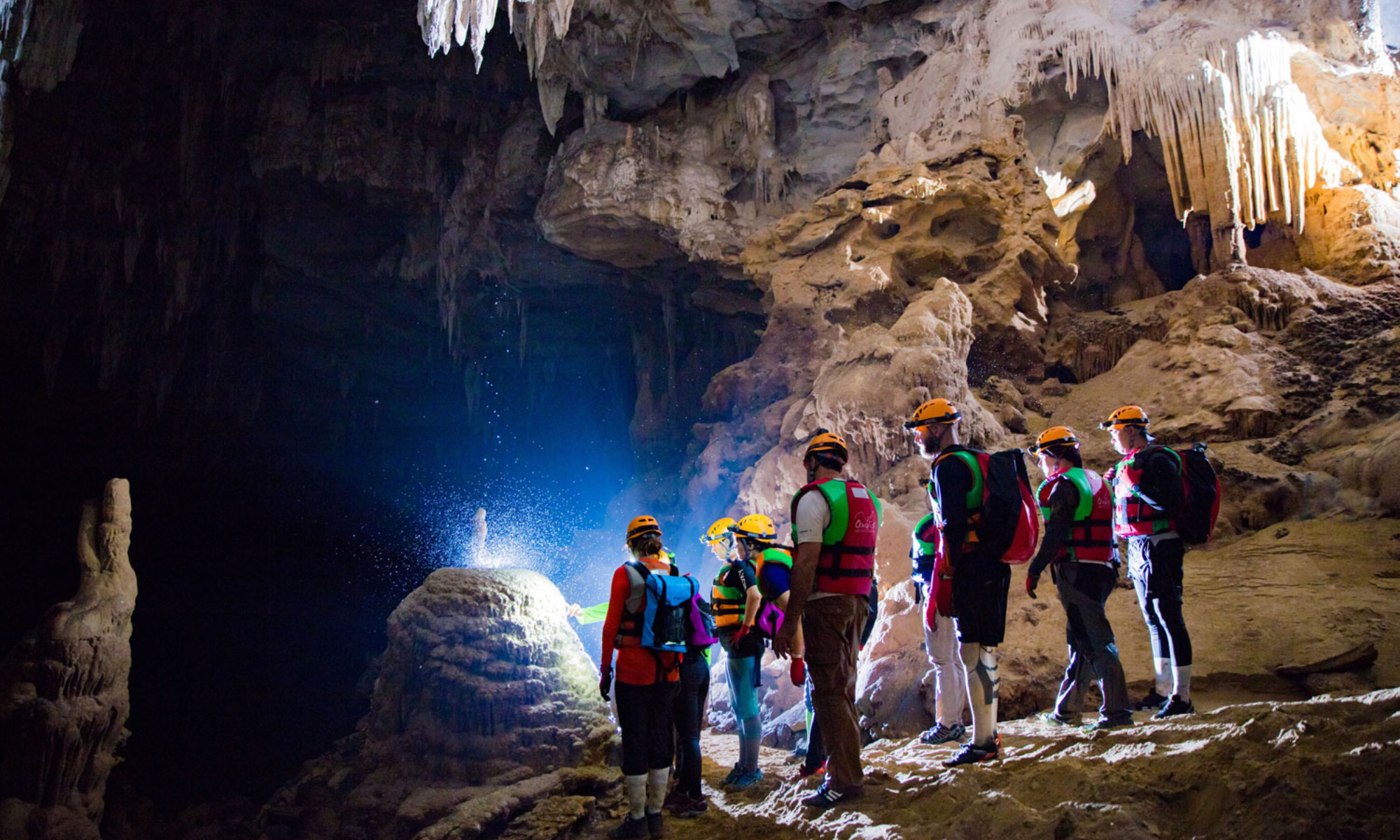
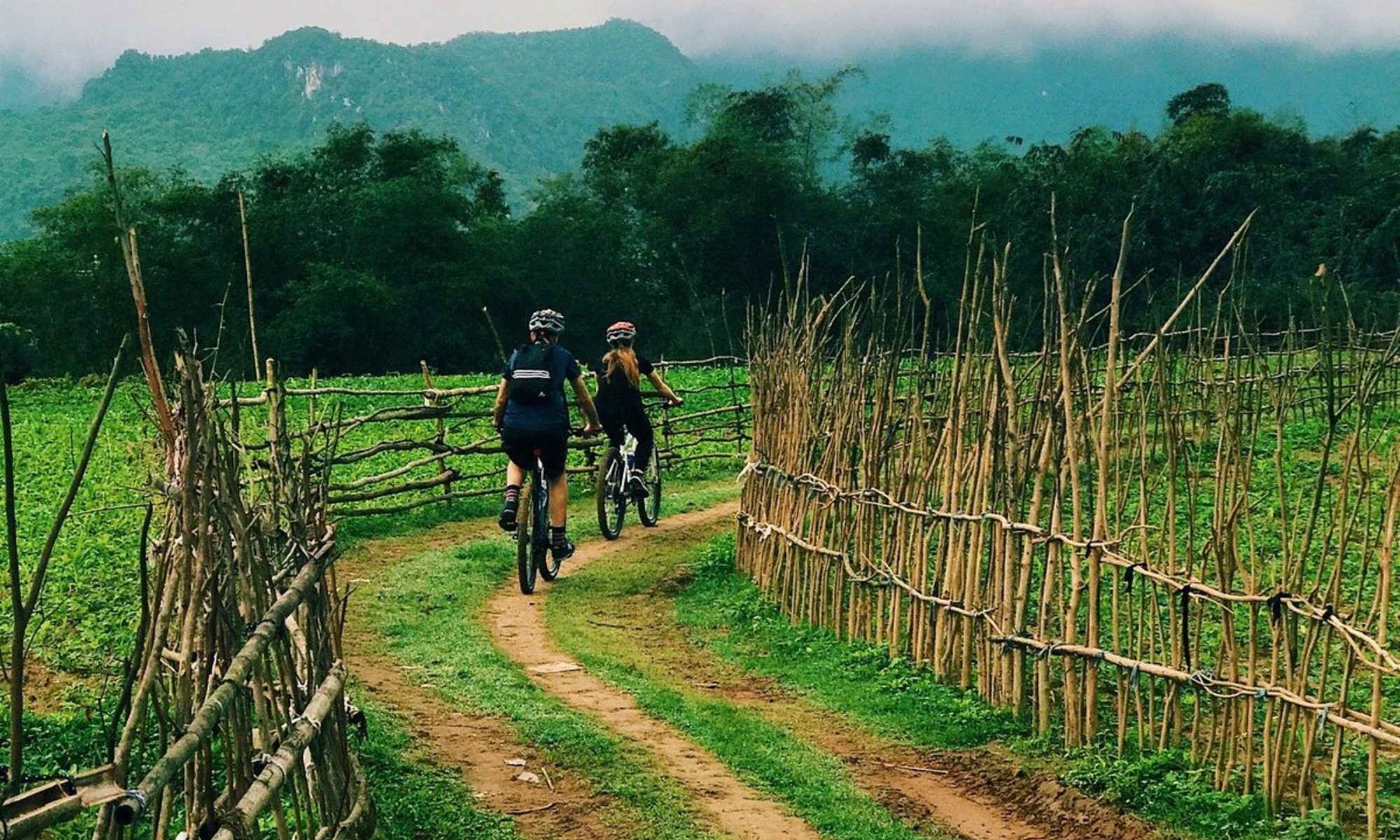
Trekking and hiking are not just about walking through nature; they also provide opportunities to engage in various exciting activities. In this section, we introduce unique experiences such as paddleboarding, swimming, or exploring caves. These activities enrich your journey, allowing you to fully immerse yourself in the beauty of nature and the surrounding life.
Paddleboarding (SUP): Paddleboarding is an activity where you explore lakes, rivers, or seas on a paddleboard. It’s becoming increasingly popular among young outdoor enthusiasts. Notable paddleboarding spots in Southern Vietnam include:
Cần Giờ: Discover the mangrove ecosystem.
Saigon South Marina Club: Paddle Boarding in Southern Saigon.
Rock Climbing: This extreme sport is ideal for those who love challenges and thrilling experiences. Usually reserved for experienced climbers, it requires at least 2–3 years of indoor climbing practice before attempting outdoor climbs. Good physical health and proper safety equipment are essential for participation.
Abseiling: Abseiling involves descending a mountain using ropes and specialized safety gear instead of climbing up to the summit.
Caving: Explore large, pristine caves in this activity suitable for individuals aged 7 and up for safety reasons. Popular caving destinations in Vietnam include Sơn Đoòng Cave and Phong Nha Cave.
Swimming: A common activity during outdoor trips or visits to rivers and lakes. A life jacket is essential to ensure safety, as the swimming distance can be long and water depths unpredictable.
Biking: This involves cycling in groups across various terrains such as hills, mountains, and streams. Since biking routes are often lengthy and diverse, good physical stamina and safety gear are crucial for a smooth journey.
Paragliding: Experience the thrill of soaring through the skies, gliding among the clouds and winds.
Camping: Camping in nature requires thorough preparation, including tents, sleeping bags, sunscreen, mosquito repellent, food, medicines, and other essentials for multi-day trips.
With the growing popularity of experiential travel, outdoor activities like trekking and hiking have become a trend embraced by many. Understanding the nature of each activity will help you prepare better for your adventure. Regardless of the type of experience you choose, safety and the joy of connecting with nature should always be the top priorities.
Choosing the wrong meal might lead to a moment of regret, but choosing the wrong place to stay can make or break your entire journey. The place you choose to rest your head after a long day of exploring is more than just a bed; it’s the space where you recharge, the lens through which you experience a destination, and sometimes, where the most memorable stories begin.
In Vietnam, with its rich diversity of culture and landscapes, the three most popular choices are hotels, hostels, and homestays. Each opens a doorway to a completely different kind of experience. So, which is the true “home away from home” for you? With experience in arranging thousands of journeys, Stories Travel is here to help you decode the options and find your perfect match.
Hotel – The Realm of Comfort and Privacy
The hotel is the most familiar and standardized choice. It’s a professional establishment providing lodging services, featuring private rooms equipped with full amenities—from en-suite bathrooms, air conditioning, and TVs to room service, laundry, and on-site dining.
The Core Experience: Comfort, professionalism, dedicated services, and absolute privacy. Everything is standardized to provide maximum comfort and convenience.
Best For:
Business travelers needing a quiet space to work.
Families with young children who require amenities like pools and in-house restaurants.
Couples seeking a romantic, private, and high-end getaway.
Travelers who prioritize security, cleanliness, and international service standards.
Vietnam’s Signature: Beyond the 5-star international chains in major cities, Vietnam boasts charming boutique hotels nestled in the heart of Hoi An’s ancient town and hotels with breathtaking views over Ha Long Bay.
Hostel – The Hub of Socializing and Connection
A hostel is a budget-friendly form of accommodation focused on shared spaces and dormitory-style rooms with bunk beds. This is a haven for open-minded wanderers, a place where stories are shared over breakfast and new friends from all corners of the globe are made.
The Core Experience: A youthful and vibrant atmosphere, community connection, and cost savings. A hostel doesn’t just sell a place to sleep; it sells a social environment.
Best For:
Solo travelers looking to meet fellow adventurers.
Groups of young friends and backpackers on a tight budget.
Open-minded souls who see meeting new people as a vital part of their journey.
Vietnam’s Signature: The most dynamic hostel scenes are found in Hanoi’s Old Quarter or Ho Chi Minh City’s Bui Vien area, where travelers from around the world gather to share their experiences.
Homestay – The Doorway to Local Culture
As the name suggests, a homestay is a form of lodging where you stay in the home of a local family. This is a unique opportunity to truly “live” like a local, rather than just “observe” as a tourist. You might wake up to the sound of a rooster crowing, savor a delicious breakfast prepared by your host, and listen to authentic stories about their daily life.
The Core Experience: Authenticity, warmth, and a deep connection with the local culture and people.
Best For:
Travelers seeking genuine, in-depth cultural experiences.
Photographers wanting to capture the precious moments of everyday life.
Families who want their children to learn about different cultures.
Vietnam’s Signature (An Insider’s Tip from Stories Travel): Imagine a rustic Pomu wood homestay in the mountains of Ha Giang, a house amidst lush fruit gardens in the Mekong Delta, or a small home on a coffee farm in the Central Highlands. These are the experiences that will become the unique story of your trip.
Criteria
Hotel
Hostel
Homestay
Cost
High
Low
Low – Medium
Privacy Level
Very High
Low (Dorm Rooms)
Medium (Private rooms may be available)
Cultural Experience
Low
Medium (via international friends)
Very High
Amenities
Full, Professional
Basic, focused on common areas
Varies, depends on the host
Atmosphere & Socializing
Quiet, Formal
Vibrant, Open, Easy to meet people
Warm, Intimate, Familial
Choosing from thousands of accommodations can be overwhelming. We don’t rely on generic online reviews. The expert team at Stories Travel has personally experienced and handpicked unique, safe, and stylish accommodations that are perfectly suited to each travel style, from hidden homestays to distinctive boutique hotels.
Do you want a rustic homestay but worry about the amenities? Are you looking for a unique hotel but fear high prices? Let our experts handle it. With our 24/7 support and deep local knowledge, we ensure the place you stay becomes a wonderful part of your journey’s story.
Whether it’s a bunk bed in a bustling hostel, the private balcony of a luxury hotel, or the warm kitchen of a family homestay, your accommodation is a key character in your travel story. Choose a “character” that fits your personality and desires.
Have you pictured the “home” for your next adventure yet? Contact Stories Travel and let us help you write a perfect travel story!
In the world of passionate travelers, the image of a wanderer with an oversized backpack has become a symbol of freedom, adventure, and discovery. But did you know that behind this familiar image lie two distinct travel philosophies: Backpacking and Flashpacking?
These aren’t just trendy buzzwords; they represent two different mindsets, styles, and approaches to a journey. Understanding which “school of thought” you belong to will help you plan a trip that is more fulfilling, perfectly matching both your budget and your desire for experience.
Are you a minimalist traveler seeking authentic connections, or a modern explorer unwilling to give up comfort? Join the experts at Stories Travel as we dive deep into the worlds of backpacking and flashpacking to help you find your true travel identity.
Backpacking (Traditional Budget Travel) – The Philosophy of Simplicity and Freedom
Backpacking is the art of traveling independently on a minimal budget. A “backpacker” is someone willing to trade material comforts for authentic experiences and the ability to extend their journey for as long as possible. They are masters of packing light, seeking out budget-friendly hostels, and navigating a country using public transportation.
The goal of backpacking isn’t just to visit a place, but to “live” in it—to immerse oneself in the rhythm of local life and connect with fellow travelers from every corner of the globe.
Portrait of a Classic Backpacker:
Budget is King: Every decision is carefully weighed to optimize costs. They might cook their own meals at a hostel to save money.
Long-Term Journeys: Trips often last for several weeks, if not months.
Experiences Over Possessions: They’ll gladly sleep in a dorm room bunk bed to save money for a trek deep into the jungle or a scuba diving course.
Connection is Everything: The common room of a hostel is their sanctuary—a place to meet people, share tips, and find travel companions.
Minimalist Luggage: Everything they need for the entire trip fits into a single backpack.
The Backpacking Experience in Vietnam: Vietnam is a backpacker’s paradise thanks to its affordable cost of living. Backpackers often traverse the country by motorbike or bus, discovering the majestic mountain passes of Ha Giang, trekking to remote villages in Sapa, or soaking up the vibrant atmosphere in hostels across Hanoi and Ho Chi Minh City.
Flashpacking (Affordable Luxury Travel) – The Intersection of Adventure and Comfort
Flashpacking is the new-school of backpacking, born when the backpacker generation grew up, started careers, and gained more financial stability. A “flashpacker” still holds the same independent, free-spirited desire for authentic experiences, but they are no longer willing to sacrifice comfort.
They have a larger budget and will happily pay for a private room in a hostel, a charming boutique hotel, or a domestic flight to save time. Their pack contains not just clothes, but also a laptop, a high-quality camera, and other tech gadgets that allow them to travel and work remotely.
Portrait of a Modern Flashpacker:
Experience is King, but Comfort is Queen: They crave unique local experiences but also need a comfortable bed and a clean, private bathroom at the end of the day.
Time is Gold: They are willing to spend more to travel faster and more efficiently, maximizing their discovery within a limited vacation period.
Always Connected: Technology is an indispensable companion. A laptop for work, a high-end smartphone for photos, and a reliable internet connection are non-negotiable.
The Perfect Balance: They might grab a cheap, delicious street food meal for lunch and enjoy a craft cocktail at a rooftop bar in the evening.
The Flashpacking Experience in Vietnam: A flashpacker might start their journey with a flight to Dien Bien Phu to explore history, then hire a private car to Sapa, stay in a private bungalow with a view of the rice terraces, and still finish their work deadlines each morning thanks to a high-speed internet connection.
Criteria
Backpacking (Traditional)
Flashpacking (Upgraded)
Budget
Minimalist, carefully planned
More flexible, willing to pay for comfort
Accommodation
Dorm rooms in hostels
Private rooms, boutique hotels, quality homestays
Transport
Public buses, motorbikes, local transport
Flights, trains, private cars, ride-sharing
Technology
Minimal (usually just a phone)
Fully equipped (laptop, camera, smartphone…)
Trip Duration
Long-term, open-ended
Shorter, optimized for time
Common Age Group
Students, young adults (18-25)
Professionals, established adults (25-40+)
Which Are You: Backpacker or Flashpacker?
See which philosophy resonates more with you:
If you believe “The journey is more important than the destination” and are willing to trade comfort to make that journey last longer, you have the soul of a Backpacker.
If you believe “You can have both adventure and comfort” and want to maximize your experiences within a limited timeframe, you are a true Flashpacker.
Whether you are a backpacker seeking the most authentic experiences or a flashpacker who wants a comfortable yet unique adventure, Stories Travel has you covered.
For our Backpackers: We’ll guide you to off-the-beaten-path routes, connect you with authentic local homestays, and ensure your safety on every road with our 24/7 support team.
For our Flashpackers: We handle every last detail. A private car and driver are always ready, a high-speed 4G SIM card keeps you connected, and our curated selection of unique accommodations has been thoroughly vetted by our team. All you have to do is pack your bags and go; we’ll take care of the rest.
Neither style is better than the other. The most important thing is to know yourself and choose the journey that fits. Backpacking is a hymn to freedom, while flashpacking is a symphony of adventure and comfort.
So, which melody is playing in your traveler’s soul? Share it with Stories Travel, and let us help you compose a perfect travel story!
Do you feel the pull of nature, the desire to immerse yourself in the wild, listen to the rustle of leaves, and conquer breathtaking landscapes? Hiking and trekking are both incredible gateways to that world, but behind these two terms lie two entirely different philosophies of adventure.
Many travelers use the words interchangeably, but the truth is, choosing the wrong type of journey can not only affect your experience but also pose a risk. With the experience of guiding thousands of fellow adventurers, the experts at Stories Travel are here to clearly distinguish these two activities and help you find the perfect path for your next journey in Vietnam.
Hiking: A Day of Discovery on the Trail
At its core, hiking is the activity of taking long walks on established trails through natural environments like forests, mountains, or coastlines. A hike is typically a day trip, lasting anywhere from a few hours to a full day. The goal is to enjoy the journey, get some exercise, and soak in the fresh air.
Think of it as an elevated, inspiring walk, where you can connect with the beauty of creation without needing complex survival skills.
Key Characteristics of a Hike:
Duration: Lasts a few hours to a full day (no overnight stays).
Pathways: Follows clear, well-defined trails.
Fitness Level: Requires a general level of fitness but no specialized training.
Objective: Relaxation, sightseeing, and a healthy weekend activity.
Essential Gear for a Hike:
Footwear: Good, comfortable hiking shoes with solid grip.
Backpack: A small daypack (10-20L) is enough to carry the essentials.
Necessities: Water, snacks, a light jacket, sunscreen, and a small first-aid kit.
Stories Travel Pro-Tip: For beginners, day hikes in accessible locations like Ba Vi National Park (near Hanoi), Mount Dinh (Vung Tau), or Cuc Phuong National Park (Ninh Binh) are fantastic choices.
Trekking: A Multi-Day Journey of Adventure
Trekking is a true adventure. It’s a multi-day journey that often traverses remote, rugged, and wild terrain far from modern conveniences. A trek is not just a physical challenge but also a deep dive into cultural exploration, as it often involves camping overnight or staying in the homes of local villagers.
It demands thorough preparation, physical endurance, and a spirit ready to embrace the unexpected.
Key Characteristics of a Trek:
Duration: A minimum of two days and one night, often lasting a week or more.
Terrain: Wild, diverse, and potentially without clear trails.
Fitness Level: Requires a good level of physical fitness, stamina, and mental preparation.
Objective: Conquest, pushing your limits, exploration, and deep cultural immersion.
Indispensable Gear for a Trekker:
Footwear: High-quality, high-ankle trekking boots for support.
Backpack: A large, load-bearing backpack (40L and up).
Necessities: A comprehensive first-aid kit, navigation tools (map, compass, GPS), specialized clothing, and enough food for multiple days.
Stories Travel Pro-Tip: Vietnam is a trekker’s paradise, home to legendary routes like the journey to Fansipan, the “rooftop of Indochina”; the stunning Tà Năng – Phan Dũng trail; or expeditions through the remote highlands of Ha Giang.
Head-to-Head Comparison: Hiking vs. Trekking
Criteria
Hiking
Trekking
Duration
Under 1 day
Minimum 2 days, 1 night
Difficulty
Easy to Moderate
Moderate to Very Difficult
Terrain
Well-defined, safe trails
Wild, rugged, diverse
Equipment
Lightweight
Comprehensive, professional
Lodging
Return home the same day
Camping, homestays
Mindset
Relaxing, recreational
Challenging, adventurous
The Quick Quiz: Find Your Path
Question
Option A (Hiker)
Option B (Trekker)
1. Is your getaway longer than 3 days?
No
Yes
2. Do you prefer a comfortable bed after a day of activity?
Yes
No, a tent is my home!
3. Are you traveling with young children or elders?
Yes
No
4. Are you ready to walk for more than 6 hours a day?
No
Yes
5. Is “adventure” exploring a beautiful place, while “challenge” is for the gym?
Yes
No, adventure must have a challenge!
If your answers are mostly A, you’ll find joy in hiking. If they are mostly B, you’re ready to take on the challenge of a trek!
Expert Advice from Stories Travel
Whichever path you choose, preparation is key.
Always check the weather: Never underestimate nature.
Share your itinerary: Let at least one person know your planned route and expected return time.
Don’t go alone (if you’re inexperienced): Joining a group or hiring a local guide is the safest way to explore.
If you’re new to this, partnering with a professional outfitter like Stories Travel removes all the guesswork. We don’t just guide you; we take care of everything, from providing expert local guides (Expertise) and porters to arranging all meals and lodging. With our 24/7 support (Trust), private driver service, and a 4G SIM card to keep you connected, all you need to focus on is the experience and creating your own unique story.
Hiking is joy; trekking is conquest. Both are profound ways to reconnect with nature and yourself. Understanding the difference is the first step to a journey that is fulfilling, safe, and truly unforgettable.
Have you found the path that calls to you? Share it with Stories Travel, and let us accompany you on every trail Vietnam has to offer!